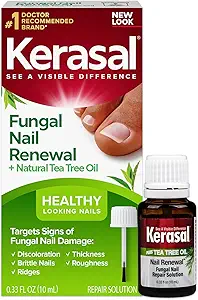
Fungal Nail Patches: What to Know Before You Buy
Fungal nail patches offer a discreet, non-invasive way to manage thick, discolored nails, and this 3-pack with 63 patches provides a substantial supply for extended use. Unlike creams or lacquers, patches adhere directly to the nail, delivering ingredients gradually. But not all patches are equal—ingredient potency, adhesive quality, and patch size vary widely.
Key Considerations Before Buying
- Ingredient efficacy: Look for patches containing proven antifungals like undecylenic acid or tea tree oil, as these can help inhibit fungal growth. Avoid patches with harsh chemicals that may irritate skin.
- Adhesive and comfort: Patches must stay put through daily activities and moisture; poor adhesion renders them useless. Breathable materials reduce sweating and lifting.
- Patch size and fit: Patches should cover the entire nail without extending onto surrounding skin, which can cause irritation. Trimming may be necessary for smaller nails.
What Our Analysts Recommend
Prioritize patches with transparent, flexible backing that conforms to nail curves and ingredients backed by clinical evidence. Check expiration dates and packaging integrity to ensure potency. A higher patch count per pack often means better value, but only if the patches are effective.
Nail Repair Market Context
Market Overview
The nail repair market is flooded with topical treatments, but patches are gaining traction for their convenience and sustained release. With fungal nail infections affecting millions, demand for easy-to-use solutions is high. However, regulation is lax, so efficacy claims vary.
Common Issues
Many products promise results but lack active ingredients in sufficient concentrations. Adhesion failures and skin irritation are frequent complaints. Additionally, some users expect overnight cures, leading to disappointment when results take weeks.
Quality Indicators
Quality patches list active ingredients with percentages, use medical-grade adhesives, and offer clear usage instructions. Third-party testing or dermatologist recommendations add credibility. Transparent packaging that protects from light and moisture is a good sign.
Review Authenticity Insights
Grade B Interpretation
A Grade B with 15% estimated fake reviews suggests most reviews are genuine, but some may be incentivized or repetitive. The perfect 5-star rating is suspicious for any product, though the adjusted 4.60 rating still indicates high satisfaction. The detailed, personal usage descriptions in reviews lend credibility.
Trust Recommendation
Trust the overall sentiment but be wary of overly glowing reviews that lack specifics. Look for reviews mentioning long-term use and before/after results. The verified purchase status of some reviews adds reliability.
Tips for Reading Reviews
Focus on reviews that describe the user's nail condition, duration of use, and any side effects. Ignore generic praise; instead, seek mentions of adhesion, smell, and visible improvement. Compare reviews across similar products to gauge relative effectiveness.
Expert Perspective
This 3-pack of 63 fungal nail patches offers a generous supply at a likely competitive price point. The high adjusted rating suggests most users find it effective, but the lack of detailed product description raises questions about ingredients and patch composition. Without that information, it's hard to assess clinical efficacy, but the positive reviews indicate it may work for mild to moderate cases.
Purchase Considerations
Consider the severity of your fungal infection—patches may be best for early-stage or superficial cases. If you have diabetes or circulatory issues, consult a doctor first. Also, calculate cost per patch and compare with creams or lacquers that may be more potent.
Comparing Alternatives
Shoppers should compare with other patch brands that disclose active ingredients and offer money-back guarantees. For severe infections, prescription treatments may be necessary.