
Smart Ring Fitness Trackers: What Women and Men Should Know Before Buying
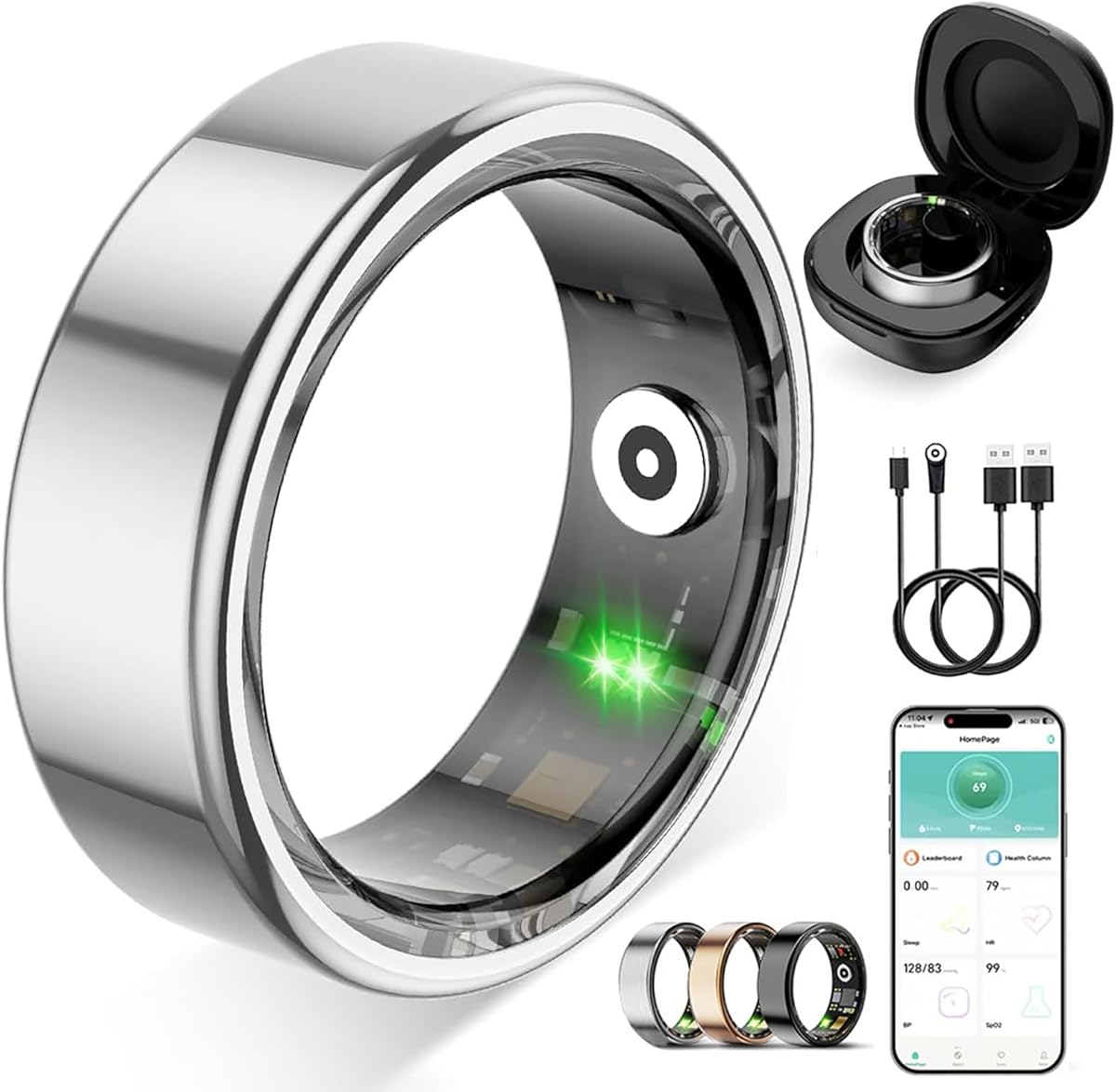
This specific smart ring combines heart rate, blood oxygen, and sleep monitoring in a waterproof design without subscription fees. Unlike wrist-worn trackers, ring-based sensors face unique challenges with continuous optical measurements on smaller finger surfaces, making sensor placement and algorithm accuracy critical differentiators. The size 7 silver model targets average finger circumference but may not fit all users comfortably for 24/7 wear.
Key Considerations Before Buying
- Finger-based optical sensors struggle with consistent readings during high-motion activities compared to chest straps, making this better suited for general wellness than intense training metrics.
- The 'no subscription fee' model is valuable but often indicates basic app functionality without advanced analytics or third-party integrations like Apple Health or Google Fit.
- Waterproof claims for rings require understanding IP ratings—many trackers survive splashes but fail during swimming or hot showers where water pressure affects sensor contact.
What Our Analysts Recommend
Examine reviews mentioning specific data comparisons with medical devices or other trackers, not just general satisfaction. Quality indicators include consistent sleep stage detection (not just total hours), responsive heart rate tracking during walks versus rest, and minimal charging frequency disruptions to continuous monitoring.
Activity & Fitness Trackers Market Context
Market Overview
Smart rings represent a growing niche in fitness technology, appealing to users who dislike wrist wearables but want continuous health metrics. The market currently splits between premium medical-grade devices like Oura and budget-friendly options like this model that prioritize basic tracking without subscriptions.
Common Issues
Battery life degradation after 6-12 months is frequent with constant charging cycles, and optical sensors often misread during cold weather when blood circulation to fingers decreases. Many rings also struggle with accurate step counting since hand movements don't always correlate with actual steps.
Quality Indicators
Look for detailed app screenshots showing trend analysis rather than single-point data, consistent review mentions of 3+ day battery life, and manufacturer transparency about sensor types (PPG, accelerometer specs). Higher-quality rings typically disclose measurement intervals and data refresh rates.
Review Authenticity Insights
Grade C Interpretation
A Grade C with 22% estimated fake reviews suggests mixed authenticity—while most reviews appear genuine, nearly one-quarter may be incentivized or artificial. This is particularly concerning for a product with a perfect 5.0 average rating, as authentic fitness tracker reviews typically show more nuanced feedback about accuracy limitations.
Trust Recommendation
Focus on verified purchase reviews that mention using the ring for 2+ weeks, as initial impressions often overlook sensor drift issues. Be skeptical of reviews emphasizing packaging or delivery speed over actual performance data, and cross-reference mentions of blood oxygen accuracy against known limitations of consumer SpO2 sensors.
Tips for Reading Reviews
Prioritize reviews discussing specific metrics like 'heart rate matched my Garmin during yoga but lagged during running' over vague praise. Look for photographic evidence of the ring in use and app screenshots, which are harder to fake than text-only reviews.
Expert Perspective
The adjusted 4.50 rating from authentic reviews suggests solid performance for a budget smart ring, though the discrepancy with the perfect 5.0 surface rating indicates potential review manipulation. The combination of heart rate, SpO2, and sleep tracking in a subscription-free model addresses key consumer pain points, but the C authenticity grade warrants caution. For size 7 fingers, the silver finish may show scratches more readily than darker options, affecting long-term aesthetics.
Purchase Considerations
Weigh the convenience of ring-based wear against known accuracy trade-offs—this device likely serves best as a general wellness tracker rather than a medical or serious training tool. Consider whether iOS/Android compatibility includes full feature parity, as some budget trackers limit functionality on one platform. The waterproof claim should be verified for your specific activities, as 'waterproof' often means splash resistance rather than swim-proof durability.
Comparing Alternatives
Compare sensor specifications and app features against established brands like Fitbit or budget alternatives like Xiaomi Mi Band to contextualize value.
![SAMSUNG Galaxy FIT 3 [2024] 1.6" AMOLED Display | 14 Days Battery Life | 100+ Watchfaces | 100+ Exercise Modes | International Model - (Black)](https://m.media-amazon.com/images/I/61TJB03ROCL.__AC_SX300_SY300_QL70_FMwebp_.jpg)


