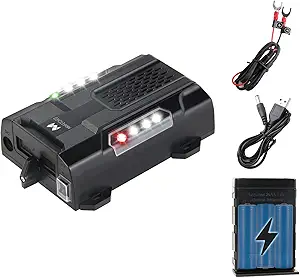
Ultrasonic Repellers: What to Know Before You Buy
Ultrasonic pest repellers like this model claim to drive away rodents and insects using high-frequency sound waves. But their effectiveness varies widely based on placement, pest type, and device quality. This guide covers key factors to consider for this specific product.
Key Considerations Before Buying
- Frequency range and coverage area: This device likely emits ultrasonic waves in a fixed range, which may affect certain pests (e.g., rodents) more than others (e.g., spiders). Check the stated coverage area (often 800-1,200 sq ft) to ensure it matches your space.
- Placement matters: Ultrasonic waves are blocked by walls and furniture, so you'll need multiple units for multi-room coverage. Place them near entry points and along pest travel paths, and avoid obstructions.
- Pest behavior and adaptation: Rodents and insects can become habituated to constant ultrasonic sounds, reducing effectiveness over time. Look for devices with variable frequency or pulsing modes to prevent adaptation.
What Our Analysts Recommend
Prioritize devices with adjustable frequency settings and clear coverage specifications. Solid customer reviews mentioning specific pest reductions (e.g., 'mice left the garage') are more reliable than vague claims. Also consider build quality and ease of use, as cheap units may fail prematurely.
Ultrasonic Repellers Market Context
Market Overview
The ultrasonic pest repeller market is crowded with inexpensive devices, many of which make bold claims without scientific backing. While some users report success, results are highly variable and depend on pest species, infestation level, and environmental factors. Regulatory oversight is minimal, so quality varies significantly.
Common Issues
A common complaint is that pests return after initial exposure, as they adapt to the ultrasonic frequencies. Many units also have limited coverage or fail to penetrate walls, leading to disappointing results in larger homes. Additionally, some users report no effect at all, especially with certain pests like spiders.
Quality Indicators
Look for devices with multiple frequency options, solid construction, and clear instructions for strategic placement. Brands that provide scientific references or third-party testing are more trustworthy. Avoid products with only vague, generic reviews and no specifications.
Review Authenticity Insights
Grade B Interpretation
A Grade B authenticity rating with an estimated 15% fake reviews means most reviews are genuine, but some may be incentivized or exaggerated. The adjusted rating of 4.50 (down from 4.89) suggests that while overall sentiment is positive, the product isn't perfect for everyone.
Trust Recommendation
Trust the adjusted rating more than the raw score. Focus on reviews that detail specific pest problems and outcomes, as these are harder to fake. Be cautious of reviews that are overly enthusiastic without concrete details.
Tips for Reading Reviews
When reading reviews, look for mentions of the type of pest, placement, and time frame for results. Reviews that compare the product to others or note limitations are often more credible. Skip reviews that simply say 'works great' without context.
Expert Perspective
This ultrasonic pest repeller shows promise, with a strong adjusted rating of 4.50 and mostly genuine reviews. However, its effectiveness is likely pest-specific and may diminish over time. The 15% fake review percentage is moderate but warrants caution. Overall, it could be a useful supplemental tool for mild infestations, but not a standalone solution.
Purchase Considerations
Consider your pest type and space size before buying. If you have a severe infestation or multiple pest types, you may need a more comprehensive approach. Also, check the return policy in case the device doesn't work for your situation.
Comparing Alternatives
Compare this product with other ultrasonic repellers that offer adjustable frequencies or larger coverage areas. Also consider traditional pest control methods for severe cases.