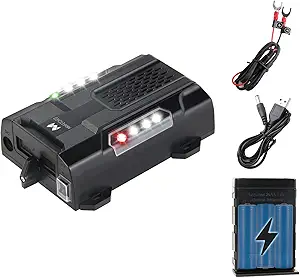
Solar Ultrasonic Animal Repellent: Effective Yard Protection?
When considering a solar ultrasonic animal repellent like this one, buyers should know that these devices use motion-activated sound bursts to deter a wide range of animals, from deer and raccoons to squirrels and cats. The key is understanding that effectiveness depends on animal behavior, placement, and the specific pest problem you're targeting.
Key Considerations Before Buying
- Coverage area is critical; this repellent is designed for yards, but you'll need to assess if a single unit covers the zones where animals enter or cause damage.
- Motion detection sensitivity can vary; ensure the device's detection angle and range align with your yard layout to avoid false triggers from wind or passing cars.
- Solar charging efficiency depends on sunlight exposure; if your yard is shaded, the battery life may be limited, requiring manual recharging or placement adjustments.
What Our Analysts Recommend
Quality indicators for ultrasonic repellents include waterproof construction (like this one's IP rating), adjustable sensitivity or frequency settings, and clear documentation on the exact animal types it deters. Also, check for user reports on battery longevity and solar panel performance in real-world conditions.
Ultrasonic Repellers Market Context
Market Overview
The ultrasonic repellent market has expanded as homeowners seek humane, chemical-free solutions for pest control. Products like this solar-powered model are popular for their low maintenance and eco-friendly appeal, but effectiveness can be inconsistent across different animal species and environments.
Common Issues
Common issues include limited range, false triggers from non-target animals or weather, and animals habituating to the sound over time. Some users also report that certain pests, like squirrels or raccoons, may ignore the ultrasonic bursts if they are highly motivated by food sources.
Quality Indicators
To identify quality products, look for robust weatherproofing (e.g., IP65 rating), adjustable settings to target specific pests, and positive user feedback on battery life and solar charging. Verified purchase reviews with detailed usage scenarios are a strong signal of reliability.
Review Authenticity Insights
Grade B Interpretation
With a Grade B and an estimated 10% fake review rate, this product's reviews are largely trustworthy but warrant some caution. The 4.80 adjusted rating (from 5.00) suggests that a few suspicious reviews may inflate the score, but the core feedback is likely genuine.
Trust Recommendation
Given the high verified purchase rate and specific user stories, you can trust the overall positive sentiment. However, focus on reviews that describe real-world challenges, such as placement or battery issues, as these are more reliable indicators of the product's performance.
Tips for Reading Reviews
When reading reviews for this type of product, prioritize those that mention the specific animals they encountered (e.g., deer, raccoons) and how long the repellent worked before needing a recharge. Also, look for comments on durability after rain or sun exposure.
Expert Perspective
This solar ultrasonic animal repellent appears to be a solid choice for homeowners seeking a humane deterrent, based on the high adjusted rating of 4.80 and largely genuine reviews. Its specific design for multiple pests—from squirrels to deer—makes it versatile, but the 10% estimated fake reviews suggest some caution. The waterproof construction and solar feature are practical for outdoor use, though effectiveness may vary with animal persistence and yard layout.
Purchase Considerations
Consider your specific pest issue: if you're dealing with persistent raccoons or deer, this device may work best as part of a broader strategy (e.g., fencing or habitat modification). Also, assess your yard's sunlight exposure to ensure the solar panel charges adequately.
Comparing Alternatives
Shoppers should compare this product with other ultrasonic repellents that offer adjustable frequencies or multiple units for larger areas, as coverage can be a limiting factor with a single pack.