
DIY Windshield Repair Kits: What to Know Before Fixing Chips and Cracks Yourself
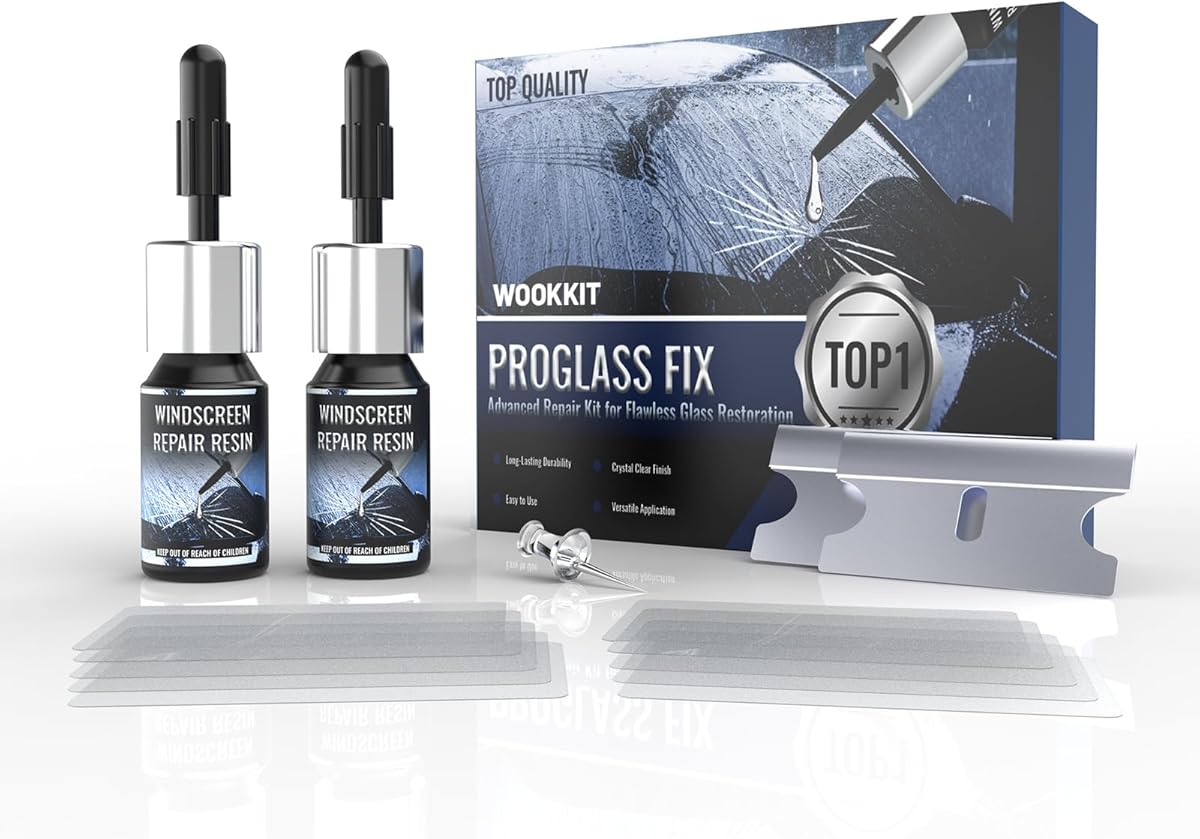
This 2026 Upgrade Resin Kit represents the current generation of DIY windshield repair, featuring two bottles of specialized resin for multiple repairs. Unlike professional services costing $100+, these kits target smaller bullseye, star, and combination cracks under 6 inches. The dual-bottle design suggests it's intended for either multiple repairs or layered application on deeper damage.
Key Considerations Before Buying
- Crack type and size matter: This kit claims 'durable fixing for all crack types,' but DIY resin works best on small bullseye chips under 1 inch; longer cracks or those in the driver's sightline often require professional attention.
- Temperature sensitivity affects results: The UV-curing resin requires specific temperature ranges (typically 60-90°F) during application; cold weather repairs may not fully cure, compromising the bond.
- Two-bottle advantage: Having two resin bottles allows for practice on less visible damage first or repairing multiple chips, but also indicates the manufacturer expects some waste during the learning process.
What Our Analysts Recommend
Quality DIY kits include bridge-style applicators with strong suction cups for stable mounting, UV-blocking curing strips, and resin with proper viscosity that won't run off vertical surfaces. The included resin should have a shelf life of at least 12 months unopened and come with detailed pictorial instructions since windshield repair has little margin for error.
Windshield & Glass Repair Tools Market Context
Market Overview
The windshield repair kit market has shifted toward 'professional-style' DIY kits with upgraded resins that claim longer working times and better optical clarity. Most kits now include UV-curing technology rather than chemical-curing systems, requiring sunlight or UV lamps for proper hardening. Competition focuses on resin quality rather than accessory quantity.
Common Issues
Users frequently report difficulty achieving complete resin penetration into deep cracks, leaving visible air bubbles that compromise structural integrity. Improper surface cleaning before application causes adhesion failures, and many struggle with the suction bridge placement, which must create an airtight seal over the damage for vacuum pressure to work effectively.
Quality Indicators
Superior kits feature precision-molded bridges with adjustable pressure controls, high-viscosity resin that minimizes runoff, and include razor blades for proper surface preparation. The resin packaging should be opaque (light degrades uncured resin) and include desiccant packets to prevent moisture contamination during storage.
Review Authenticity Insights
Grade C Interpretation
A Grade C authenticity rating with 22% estimated fake reviews suggests this product has concerning review manipulation. While the adjusted 4.50/5 rating remains strong, nearly one-quarter of reviews may be inauthentic, potentially exaggerating success rates or minimizing the skill required for proper application.
Trust Recommendation
Focus on reviews mentioning specific crack types repaired (bullseye vs. star), weather conditions during application, and long-term results after car washes or temperature extremes. Be skeptical of reviews claiming 'professional results with zero experience' or those that don't mention the learning curve involved with bridge placement and resin injection techniques.
Tips for Reading Reviews
Prioritize reviews that discuss failed attempts or partial successes, as these provide realistic expectations. Look for mentions of the two-bottle system's practicality—whether both were needed for one repair or allowed multiple fixes. Reviews with photos showing 'before and after' results from various angles offer the most credible evidence.
Expert Perspective
This kit's 2026 upgrade branding and dual-bottle approach suggests it targets serious DIYers willing to practice the technique. The high adjusted rating (4.50/5) despite authenticity concerns indicates genuine users achieve satisfactory results, particularly for small chips away from critical viewing areas. However, the significant fake review percentage warrants caution—success likely depends heavily on following instructions precisely and managing expectations about cosmetic versus structural repair quality.
Purchase Considerations
Consider your crack's location: repairs near edges or in the driver's direct sightline risk distortion. Evaluate your patience level—proper repair requires 30-60 minutes of careful work. Weigh the $20-30 kit cost against your insurance deductible; many policies cover professional repair with no out-of-pocket cost, making DIY only economical if you lack coverage or have multiple chips.
Comparing Alternatives
Compare resin viscosity claims, bridge design stability, and included curing methods with 3-4 similar kits, as small differences in applicator quality significantly impact results.


