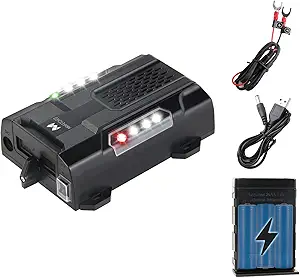
Ultrasonic pest repellers: What actually works versus marketing hype
This 2-pack ultrasonic device claims to repel everything from rodents to insects using high-frequency sound waves. Unlike chemical solutions, these plug-in units promise non-toxic, continuous protection for homes, offices, and warehouses. Understanding their limitations and proper placement is crucial for realistic expectations.
Key Considerations Before Buying
- Ultrasonic waves don't travel through walls effectively, so you'll need multiple units for different rooms or large spaces like warehouses.
- Pests can become habituated to the sound over time, requiring occasional relocation of devices or supplemental control methods.
- The effectiveness varies significantly by pest type—rodents are generally more responsive than insects like roaches or ants.
What Our Analysts Recommend
Quality ultrasonic repellers should specify frequency ranges (typically 25-65 kHz) and have adjustable settings for different pests. Look for devices with dual or rotating frequencies to prevent pest adaptation. Proper units will be UL-listed for electrical safety since they remain plugged in continuously.
Ultrasonic Repellers Market Context
Market Overview
The ultrasonic pest control market is flooded with devices making ambitious claims, creating significant consumer confusion about realistic outcomes. Many products like this 2-pack repeller promise broad-spectrum protection but deliver inconsistent results depending on infestation severity and environment.
Common Issues
Most complaints center on unrealistic expectations—consumers expect complete elimination but receive only deterrent effects. Another frequent issue is inconsistent performance across different pest species, with insects often showing minimal response compared to rodents.
Quality Indicators
Superior products provide technical specifications like decibel output at specific distances and frequency modulation patterns. Genuine quality devices often include night lights or indicator lights showing operation, unlike basic models that offer no visual confirmation of function.
Review Authenticity Insights
Grade C Interpretation
The 'C' authenticity grade and 22% estimated fake reviews suggest you should approach the perfect 5-star rating with healthy skepticism. This indicates nearly one-quarter of reviews may be artificially positive, potentially exaggerating effectiveness claims.
Trust Recommendation
Focus on the verified purchase reviews and look for specific, detailed accounts of actual pest reduction rather than vague praise. The adjusted 4.50/5 rating from authentic reviews still indicates generally positive experiences, but with more realistic outcomes.
Tips for Reading Reviews
Prioritize reviews that mention specific pests (e.g., 'reduced mouse sightings in kitchen' rather than 'got rid of all pests') and note placement details. Be wary of reviews claiming miraculous results for every listed pest type, as this contradicts typical ultrasonic technology limitations.
Expert Perspective
This product's genuine reviews suggest it functions as a decent deterrent when expectations are properly managed. The high number of verified positive reviews indicates real users are experiencing some level of pest reduction, particularly for rodents. However, the significant fake review percentage means the advertised effectiveness against all listed pests—especially insects—should be viewed cautiously. The 2-pack configuration is practical for covering multiple areas, which aligns with ultrasonic technology's limited range.
Purchase Considerations
Consider this device as a preventive measure or supplemental solution rather than primary treatment for active infestations. It's most appropriate for those seeking non-toxic options in conjunction with other methods like sealing entry points. The warehouse application claim is particularly ambitious given the open-space challenges for ultrasonic dispersion.
Comparing Alternatives
Compare this device's frequency range and coverage area specifications with competing models, as these technical details significantly impact real-world performance.