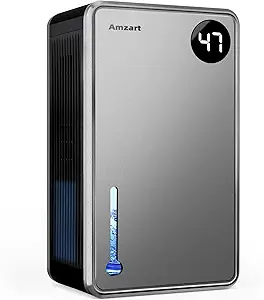
Quiet 95-Ounce Dehumidifier for 1000 Sq Ft Spaces: A Buyer's Guide
When selecting a dehumidifier for a 1000-square-foot area, the balance between water removal capacity and noise level is crucial. This model's 95-ounce tank and drain hose option offer flexibility, but you'll want to verify its pint-per-day rating for your specific humidity needs.
Key Considerations Before Buying
- Capacity and Coverage: A 95-ounce tank (about 2.8 pints) may require frequent emptying in very humid conditions, especially in a 1000 sq ft space. Look for the actual pints-per-day removal rate (often 20-30 pints) to gauge if it matches your basement or bathroom needs.
- Drain Hose vs. Manual Emptying: The included drain hose is a boon for continuous operation, but ensure the hose fitting is standard (e.g., 3/8 inch) and that gravity drainage works if you plan to route it to a floor drain. For RV or bedroom use, manual tank emptying might be more practical.
- Noise and Extra Features: The 'quiet' claim is subjective—reviews often mention noise levels that vary by setting. Features like the timer, auto shut-off, and 7-color light add convenience, but the aromatherapy tray is a gimmick that may not impact dehumidification performance.
What Our Analysts Recommend
Look for a dehumidifier with an Energy Star rating for efficiency, a humidistat to set target humidity levels, and a clear water-level indicator. Also, check the operating temperature range—some models struggle below 65°F, which is critical for basements. Finally, verify the warranty length and customer support responsiveness, as these often reflect build quality.
Dehumidifiers Market Context
Market Overview
The home dehumidifier market is saturated with compact models claiming large coverage areas, but actual performance varies widely. Consumers are increasingly seeking quiet operation for bedrooms and smart features like auto-restart and drain hose compatibility for continuous use.
Common Issues
Common complaints include inaccurate humidity readings, louder-than-advertised operation, and water tank leaks or overflow. Many units also fail to perform in cooler temperatures, reducing their effectiveness in basements during spring and fall.
Quality Indicators
Quality dehumidifiers typically have a solid build (no rattles), a reliable compressor (or Peltier for small spaces), and clear controls. Look for units with a condensate pump for gravity-disadvantaged areas, and check for UL certification and a 1-year minimum warranty.
Review Authenticity Insights
Grade B Interpretation
The Grade B and 10% estimated fake reviews suggest that while most feedback is genuine, a notable minority could be incentivized or non-verified. This means you should rely on detailed, verified reviews that mention specific performance metrics rather than generic praise.
Trust Recommendation
Given the 4.67-star average but adjusted 4.40 rating, the product is likely decent but not perfect. Focus on reviews that mention the tank capacity, noise level, and coverage area—these are the most telling. Also, cross-check any negative reviews to see if issues like leaking or poor humidity reduction are consistent.
Tips for Reading Reviews
For dehumidifiers, look for reviews that state the actual square footage they used it in and the humidity level achieved. Photos of the tank after a day's use can be very informative. Be wary of overly short reviews that only mention 'works great' without specifics, as these are often less trustworthy.
Expert Perspective
This dehumidifier appears to be a value-oriented option for those needing moderate moisture control in a 1000-sq-ft space, with the convenience of a drain hose and a large tank. The authenticity analysis suggests it's largely reliable, but the 10% fake review rate is a caution flag. Given the 4.40 adjusted rating, it likely performs adequately but may not excel in extreme humidity or noise-sensitive environments.
Purchase Considerations
Consider your primary use: for a bedroom, the noise level and light features are key; for a basement, the drain hose and low-temperature performance are critical. If you have severe dampness, you may need a larger, 50-pint unit. Measure your space and check the unit's pint-per-day rating to ensure it matches your needs.
Comparing Alternatives
Compare this model with other dehumidifiers in the 1000-sq-ft range, paying attention to energy efficiency and noise ratings. Brands like hOmeLabs and Pro Breeze offer similar features, so checking side-by-side specifications and reviews can help you make a more informed choice.