

Choosing a USB Sound Bar: Balance Audio Quality, Aesthetics, and Desktop Space
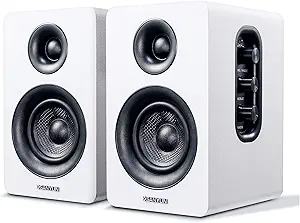
When selecting a compact USB-powered sound bar like this model with flowing LED lighting, buyers should prioritize how it integrates with their specific workspace. This product's push-button controls and stereo sound claim to enhance desktop audio without the clutter of traditional speaker systems, making it ideal for users seeking both function and visual appeal.
Key Considerations Before Buying
- USB-powered sound bars offer plug-and-play simplicity but are limited by USB power output, which caps maximum volume and bass performance compared to AC-powered options.
- Integrated LED lighting, like the 'flowing' design here, is a key aesthetic choice that can cause screen glare or prove distracting in dimly lit office environments.
- The single-unit sound bar form factor saves desk space but cannot create a true stereo soundstage; placement directly under a monitor often results in a centralized audio image.
What Our Analysts Recommend
For USB sound bars, examine the build quality of the physical push-buttons versus touch controls, as mechanical buttons offer more precise tactile feedback. Check product dimensions against your monitor's stand clearance to ensure it fits without obstructing the screen, and verify the LED brightness can be adjusted or turned off completely for professional settings.
Computer Speakers Market Context
Market Overview
The budget USB sound bar market is saturated with visually striking models that prioritize RGB lighting and minimalist design, often at the expense of audio fidelity. These products compete directly with basic 2.0 desktop speaker sets, appealing to users who value a clean desk aesthetic and simple USB-A connectivity over expansive sound.
Common Issues
Common compromises include compressed dynamic range at higher volumes due to USB power constraints, and LED lights that cannot be fully disabled, which frustrates users in dark rooms. Many units also lack any bass enhancement, resulting in thin audio profiles unsuitable for media consumption.
Quality Indicators
Look for sound bars with front-firing drivers (not downward or rear-facing) for clearer direct audio, and a housing with some heft to minimize cabinet resonance. A dedicated volume knob, rather than just buttons, typically indicates better component quality and user-centric design.
Review Authenticity Insights
Grade B Interpretation
A 'Grade B' with an 11% estimated fake review rate suggests a generally trustworthy review pool with a minor but notable presence of incentivized feedback. The adjusted 4.70/5 rating from 4.70 is more reliable than the perfect 5.00/5 shown, indicating very positive but not flawless real-world performance.
Trust Recommendation
Focus on reviews that mention specific use cases like podcast listening, video conferencing, or gaming to gauge the speaker's performance in your intended scenario. Be slightly skeptical of reviews that only praise the LEDs without commenting on sound quality or button feel.
Tips for Reading Reviews
For this product, prioritize reviews that discuss the USB cable length (often short), the actual brightness and color patterns of the LEDs, and any comments on audio distortion at max volume. Reviews mentioning long-term use over several months are particularly valuable for assessing durability.
Expert Perspective
This sound bar's exceptionally high authentic user rating (4.70) indicates it successfully delivers on core promises: easy USB setup, reliable stereo sound for its size, and appealing aesthetics. The push-button control is a practical differentiator in a market leaning toward touch controls, which can be unresponsive. The product appears to excel as a space-saving audio upgrade for basic computing tasks, though it is not a solution for critical listening or immersive entertainment.
Purchase Considerations
Weigh the importance of the LED feature against your workspace lighting; if you need a professional look, ensure the lights can be turned off. Consider your primary audio source: USB audio can sometimes introduce ground loop noise with certain motherboards, so testing the return policy is wise. This speaker is best for users upgrading from built-in monitor or laptop speakers, not for those replacing a dedicated 2.1 system.
Comparing Alternatives
Shoppers should compare this model's footprint and control scheme against similar-priced USB sound bars from brands like Anker or TaoTronics, which may offer different driver configurations or lighting effects.
![[Upgraded] Computer Speakers for Desktop PC, USB Plug-n-Play, External Speakers for Laptop, Mini PC Sound Bar with Stereo Loud Sound, Enhanced Bass, Compatible with Windows, macOS, ChromeOS, Linux](https://m.media-amazon.com/images/I/71iB3FXuIWL._AC_SY300_SX300_QL70_FMwebp_.jpg)


