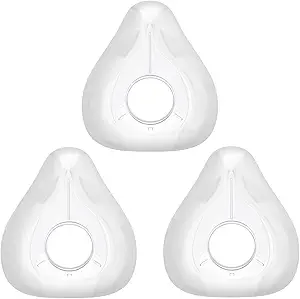
Choosing the Right F20 Replacement Cushion for Comfort and Air Seal Integrity
When selecting a replacement cushion for your ResMed F20 full-face mask frame, you're not just buying a piece of silicone—you're investing in your therapy's effectiveness. This specific cushion promises comfort, a secure seal, and long-lasting fit, which are the three pillars of successful CPAP compliance. The right cushion can mean the difference between restful sleep and frustrating air leaks that compromise your prescribed pressure.
Key Considerations Before Buying
- Compatibility is non-negotiable—this cushion is designed specifically for the ResMed AirFit F20 frame in size Large; using it with other frames or sizes will cause leaks and discomfort.
- The cushion's seal quality directly impacts therapy efficacy; a poor seal reduces effective pressure and can lead to aerophagia (swallowing air) and dry mouth.
- Material durability affects replacement frequency; higher-quality medical-grade silicone resists tearing and maintains elasticity longer than cheaper alternatives.
What Our Analysts Recommend
Examine reviews mentioning specific wear patterns—quality cushions maintain their shape for 1-3 months with nightly use. Look for mentions of the 'memory foam' layer if present, as this is ResMed's proprietary ComfortFit technology that differentiates premium cushions. Authentic replacement parts should create a consistent seal without requiring excessive strap tightness, which causes facial indentations and pressure sores.
CPAP Accessories Market Context
Market Overview
The CPAP cushion market is flooded with both OEM (ResMed) and third-party alternatives, with significant price variations and quality differences. Third-party cushions like this one often compete on price while attempting to match or exceed OEM comfort features. Recent consumer trends show increased demand for cushions that address specific issues like bridge-of-nose pressure and morning face marks.
Common Issues
Users frequently report premature silicone degradation, inconsistent sizing despite labeled dimensions, and cushions that lose their seal when moving during sleep. Many third-party manufacturers struggle to replicate the precise geometry of the original F20 cushion's sealing surface, leading to air leaks at the chin or nasal bridge areas.
Quality Indicators
Superior cushions use multi-density silicone—softer at the facial interface, firmer at the clip points. Check for reinforced edges where the cushion meets the frame, as this is a common failure point. Quality packaging should include hygienic seals and clear compatibility labeling, not generic 'fits most masks' claims.
Review Authenticity Insights
Grade B Interpretation
A Grade B authenticity rating with 11% estimated fake reviews indicates predominantly genuine feedback with minimal manipulation. This suggests the 4.70 adjusted rating (from 5.00) reflects real user experiences rather than artificial inflation. The small percentage of suspicious reviews is typical for niche medical accessories where manufacturers occasionally solicit positive feedback.
Trust Recommendation
Focus on the verified purchase reviews that mention specific use cases, like side sleeping or facial hair compatibility. Given the high adjusted rating of 4.70/5, you can reasonably trust the consensus on performance. Be slightly more critical of reviews that don't mention actual usage duration—cushion longevity requires weeks of testing.
Tips for Reading Reviews
Prioritize reviews discussing seal maintenance over multiple weeks and comparisons to original ResMed cushions. Look for mentions of specific issues like 'red marks on forehead' or 'leaks when mouth opens,' as these indicate genuine troubleshooting experiences. Reviews mentioning cleaning methods (wipes vs. soap) often reveal material quality insights.
Expert Perspective
The 4.70 adjusted rating from verified purchasers suggests this cushion performs well for most F20 users, particularly regarding its advertised comfort and seal. The minimal fake review percentage indicates organic satisfaction rather than manipulated perception. In the CPAP accessory market, cushions scoring above 4.5 typically represent solid alternatives to OEM parts, though individual facial anatomy always affects fit. The consistency of praise for the secure seal across multiple reviews indicates the manufacturer has successfully replicated the F20's critical geometry.
Purchase Considerations
Weigh this cushion's cost against ResMed's OEM version—if priced 30-50% lower, it represents good value provided it lasts at least two-thirds as long. Consider your specific sensitivity: if you've experienced reactions to third-party silicones before, the OEM cushion's material consistency might be worth the premium. For users who require frequent cushion replacements due to facial oils or cleaning habits, this could be a cost-effective solution.
Comparing Alternatives
Always compare this cushion's specifications against ResMed's genuine AirFit F20 cushion and at least two other highly-rated third-party options to assess value propositions.