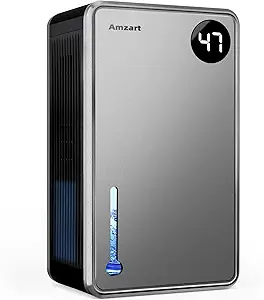
Midea 50-Pint Pump Dehumidifier: Basement Air Quality & Smart Control
When shopping for a dehumidifier, especially one rated for 4,500 square feet like the Midea 50-pint model, you're not just buying a machine—you're investing in your home's air quality and structural integrity. This guide covers essential factors to consider, from pump capabilities to smart features, ensuring you choose the right unit for your needs.
Key Considerations Before Buying
- Capacity and coverage: The 50-pint rating (based on DOE 2019 standards) indicates the unit can remove 50 pints of moisture per day, suitable for large basements or whole-home use in humid climates. Ensure your space's square footage and humidity level match the unit's capacity to avoid overworking the system.
- Built-in pump vs. gravity drainage: A built-in pump, as featured in this Midea model, allows for continuous drainage even when the water collection bucket is located above the pump level (e.g., pumping water up to a sink or outside). This is crucial for basements without floor drains, offering flexibility in placement and reducing the need to manually empty the bucket.
- Energy efficiency and smart features: An Energy Star certification ensures lower operating costs, while Wi-Fi connectivity and Alexa compatibility add convenience, allowing you to monitor and control humidity levels remotely. These features are not just gimmicks—they can lead to energy savings and proactive humidity management.
What Our Analysts Recommend
Beyond capacity and pump, evaluate the noise level (especially for living spaces), the quality of the air filter (reusable filters save money), and the ease of cleaning and maintenance. Also, check the operating temperature range—if you plan to use it in a garage or unheated basement, ensure it functions in lower temperatures to prevent coil freezing.
Dehumidifiers Market Context
Market Overview
The dehumidifier market has evolved significantly, with modern units offering smart controls, energy efficiency, and quieter operation. Consumers are increasingly looking for solutions that integrate with their smart home ecosystems and provide long-term value through features like continuous drainage and washable filters.
Common Issues
Common problems in this category include inaccurate humidity sensors, loud operation, and difficulty with bucket removal or pump failures. Some units also struggle to maintain performance in low temperatures, leading to frost buildup and reduced efficiency.
Quality Indicators
High-quality dehumidifiers typically feature durable compressors, corrosion-resistant coils, and user-friendly controls. Look for units with clear warranty policies, positive long-term owner feedback, and certifications like Energy Star, which indicate rigorous testing and efficiency standards.
Review Authenticity Insights
Grade B Interpretation
The Grade B rating and 10% estimated fake review percentage suggest that while the majority of reviews are authentic, there is a small but notable portion that may be incentivized or unverified. This is not unusual for a popular product, but it means you should read reviews critically, focusing on verified purchases and detailed experiences.
Trust Recommendation
Given the 4.22-star rating (adjusted to 4.00), the product appears to perform adequately but may have some minor flaws. I recommend paying close attention to reviews that mention specific issues like pump noise, Wi-Fi connectivity, or humidity reading accuracy, as these are common pain points. Cross-reference any critical feedback with multiple sources to ensure it's not an isolated incident.
Tips for Reading Reviews
When reading reviews for this dehumidifier, filter by 'Verified Purchase' and look for reviews that mention usage context (e.g., basement size, humidity levels, climate). Be wary of overly short or overly positive reviews without details, and note if a reviewer mentions receiving a free or discounted product. Also, check the date of reviews—recent reviews may indicate ongoing quality control issues.
Expert Perspective
The Midea 50-pint dehumidifier with pump offers a compelling package of features, particularly the integrated pump and smart connectivity, which are often found in higher-priced models. While the adjusted rating of 4.00 suggests some room for improvement, the authentic reviews indicate that it effectively tackles moisture in typical basement environments. The Energy Star rating and reusable filter are cost-saving advantages.
Purchase Considerations
Before purchasing, consider the size of the space and if the pump will be necessary for your drainage setup. Also, weigh the importance of smart features—if you don't plan to use Wi-Fi or Alexa, you might find a more affordable model without these extras. Additionally, check the warranty and customer service reputation, as with any appliance.
Comparing Alternatives
Shoppers should compare this Midea with other 50-pint models from brands like Frigidaire and hOmeLabs, which also offer pump versions. Pay attention to user feedback on noise levels and long-term durability, as these factors can significantly impact satisfaction.