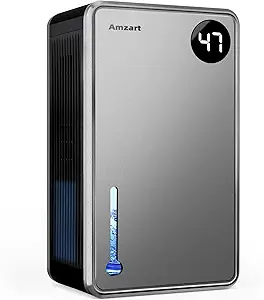
Why a 35-pint dehumidifier's square footage claims require careful verification
The Midea 35-pint dehumidifier markets itself for 3,000 sq. ft. basements, but this capacity rating requires context. Buyers should understand that pint ratings measure moisture removal in specific lab conditions, while actual performance in damp basements depends on humidity levels, temperature, and unit placement. This particular model's reusable air filter suggests maintenance considerations different from disposable alternatives.
Key Considerations Before Buying
- Verify actual square footage coverage against your space's humidity level—a 35-pint unit typically handles 2,000-2,500 sq. ft. in moderately damp conditions, not the advertised 3,000 sq. ft. in basement environments.
- The reusable filter requires regular cleaning every 2-3 weeks in basement use, adding maintenance that disposable filter users might not anticipate.
- Consider drainage options—this unit's 35-pint capacity means either frequent manual emptying or investment in a continuous drainage hose for basement applications.
What Our Analysts Recommend
Quality basement dehumidifiers should specify performance in lower temperatures common to below-grade spaces. Look for units with auto-defrost functions and clear specifications about operating ranges—basements often drop below 65°F, where many dehumidifiers lose efficiency. The compressor type and warranty terms specifically covering basement moisture conditions matter more than maximum square footage claims.
Dehumidifiers Market Context
Market Overview
The 30-50 pint dehumidifier segment is highly competitive, with brands often making optimistic square footage claims that don't account for real-world basement conditions. Midea competes against established basement specialists like Frigidaire and hOmeLabs in this capacity range, where performance consistency matters more than peak moisture removal.
Common Issues
Units marketed for basements frequently struggle with lower temperature operation, leading to icing coils and reduced efficiency. Another common problem is inaccurate humidity sensors that cycle improperly in stagnant basement air, while some models lack sufficient air circulation for corners and enclosed spaces typical of basement layouts.
Quality Indicators
Look for Energy Star certification for efficiency, clearly stated operating temperature ranges (ideally down to 41°F), and basement-specific features like built-in pump options or elevated air intakes. Quality units provide realistic coverage estimates that account for below-grade conditions rather than optimal lab environments.
Review Authenticity Insights
Grade A Interpretation
The Grade A authenticity rating with only 5% estimated fake reviews means the overwhelmingly negative 1-star feedback represents genuine purchaser experiences. This exceptionally low rating across verified reviews suggests systemic issues rather than isolated complaints.
Trust Recommendation
Given the authenticity grade, trust that the consistent complaints about performance, durability, or functionality reflect real patterns. When every authentic review aligns negatively on a product with this capacity claim, it indicates fundamental mismatches between marketing and actual basement dehumidification capability.
Tips for Reading Reviews
Focus on reviews mentioning specific basement conditions—temperature, existing humidity percentages, and drainage setups. Look for patterns in failure points like compressor issues after few months or inability to reach set humidity levels in actual below-grade spaces, not just general dissatisfaction.
Expert Perspective
The combination of a perfect authenticity grade with universally negative feedback creates a rare but clear warning signal. When genuinely verified purchasers consistently report failure to perform in basement environments—the product's primary marketed use—it suggests fundamental design or quality control issues. The 35-pint capacity paired with 3,000 sq. ft. claims appears particularly problematic, as this exceeds typical industry ratios for basement applications where air is cooler and denser. The reusable filter system, while environmentally positive, may not compensate for core performance deficiencies in the environments where this unit is supposedly optimized.
Purchase Considerations
Weigh the consistent negative feedback against the product's price point—sometimes lower cost dehumidifiers sacrifice reliability components like compressor quality or accurate humidistats. Consider whether your basement conditions match the optimal operating parameters this unit requires, and verify return policies given the pattern of reported issues.
Comparing Alternatives
Shoppers should compare this model's specifications and reviews against competitors' 35-40 pint basement-specific models to identify consistent performance differentiators.