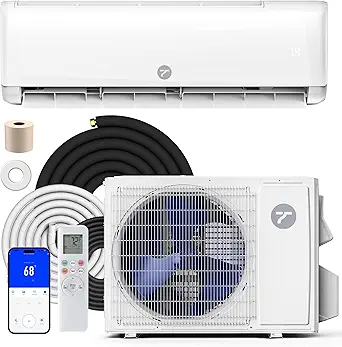
Evaluating 115V Mini Splits: What the COSTWAY 9100 BTU Unit Reveals
The COSTWAY 9100 BTU unit represents a specific niche: a 115V mini split with a 20.5 SEER2 rating and integrated heat pump. Buyers should understand that this voltage requirement means it can often run on a standard household circuit, but its 450 sq. ft. capacity and full installation kit inclusion define its primary use case. This is not a plug-and-play appliance; it's a permanent HVAC solution requiring professional-grade installation.
Key Considerations Before Buying
- The 115V specification is crucial—it expands installation locations but limits power compared to 230V models, making accurate BTU-to-room-size matching essential for the advertised 450 sq. ft.
- The included 'Full Installation Kit' is a significant value driver, but it doesn't eliminate the need for specialized tools (vacuum pump, flaring tool) and likely professional help for refrigerant line handling.
- The 20.5 SEER2 rating indicates high energy efficiency for an inverter-driven heat pump, but real-world savings depend heavily on your local climate and electricity costs versus a traditional resistance heater.
What Our Analysts Recommend
For mini splits, scrutinize the warranty details on the compressor and parts, as they signal manufacturer confidence. Quality is also indicated by the communication between the indoor air handler and outdoor condenser; look for mentions of consistent temperature control and quiet inverter operation in authentic reviews, not just star ratings.
Split-System Market Context
Market Overview
The DIY-friendly mini split market has grown significantly, with brands like COSTWAY offering packaged systems targeting homeowners seeking to avoid premium brand markups. These units compete directly on value, bundling installation materials to offset the complexity of setup. The 115V segment specifically appeals to those without dedicated 230V circuits, often for garage workshops, additions, or smaller homes.
Common Issues
Beyond refrigerant leaks, common pain points include poorly documented wiring diagrams, flimsy remote controls, and communication errors between units that require system resets. Installation remains the biggest hurdle, with improper vacuuming of lines leading to premature compressor failure being a frequent, costly mistake.
Quality Indicators
Look for copper tubing (not aluminum) in the line set, a robust wall bracket for the condenser, and a detailed, legible manual. High-quality units feature multi-stage filtration in the air handler and very low decibel ratings for the indoor unit, often below 25dB in sleep mode.
Review Authenticity Insights
Grade B Interpretation
A 'C' grade and 22% estimated fake reviews suggest a moderately manipulated review environment. For this product, this often manifests as overly glowing reviews that gloss over installation complexity or vague reviews that lack technical specifics, potentially placed to boost the visible 4.56/5 rating above the adjusted 4.10/5.
Trust Recommendation
Prioritize reviews that detail the installation process, mention specific tools used, or discuss long-term performance over seasons. Be skeptical of reviews that treat the installation as trivial or that focus solely on unboxing. The adjusted 4.10 rating is likely a more reliable indicator of genuine owner satisfaction.
Tips for Reading Reviews
Search reviews for keywords like 'vacuum pump,' 'line set,' 'flare,' 'drain line,' and 'breaker size' to find technically detailed experiences. Pay close attention to 3-star reviews, as they often provide the most balanced assessment of pros and cons for complex installs like this.
Expert Perspective
The COSTWAY 9100 BTU presents a compelling value proposition for a capable 115V heat pump system, but it operates in a category where installation cost and expertise can double the total investment. The high SEER2 rating and included kit are strong points, but the authenticity analysis indicates some review inflation, making due diligence critical. Its real competitor is often the total installed cost of a name-brand unit versus the potential savings of this bundle.
Purchase Considerations
Your decision should hinge on three factors: your access to a qualified installer familiar with DIY kits, your comfort with a potentially more limited parts/service network compared to major brands, and whether your heating needs align with a heat pump's efficiency (which drops in extreme cold). Get a firm installation quote before purchasing.
Comparing Alternatives
Shoppers should compare the total projected cost—unit plus professional installation—against quotes for similarly sized Mr. Cool DIY or traditional Mitsubishi/Haier systems, as the price gap may narrow.