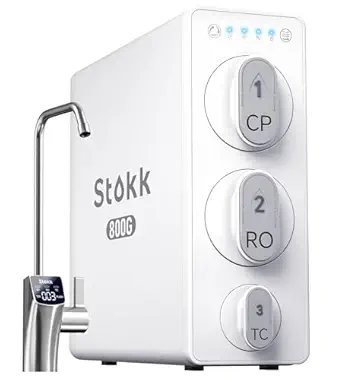
Countertop RO Buying Guide: Chill, Space, and Water Quality
The APEC ROCT-C1 is a countertop reverse osmosis system that not only filters but also chills water to 40°F, making it a niche solution for those who want cold, purified water without under-sink installation. Unlike traditional RO systems, it sits on your counter, so you'll need to weigh convenience against counter space and manual refilling.
Key Considerations Before Buying
- Countertop RO systems like the ROCT-C1 require a water source and a drain or reservoir, so check if the unit needs to be manually filled or can be connected to a faucet—this model typically uses a refillable tank, meaning you'll need to refill it regularly.
- Chilling capability is a rare feature in RO systems, but it adds complexity and energy use; consider whether you truly need chilled water or if a separate filtration pitcher in the fridge would suffice.
- RO systems waste water—typically 2-4 gallons per gallon purified—so evaluate your water usage and environmental impact, especially since countertop units may have lower efficiency than under-sink models.
What Our Analysts Recommend
Look for NSF certifications for contaminant removal (like NSF/ANSI 58 for RO) and a sturdy build quality. Check the filtration stages—the ROCT-C1 is a 4-stage system—and ensure replacement filters are readily available and affordable. Also, consider the noise level and footprint, as countertop units can be bulky.
Under-Sink & Countertop Filtration Market Context
Market Overview
The countertop water filtration market is growing as renters and those with limited plumbing seek alternatives to under-sink systems. Reverse osmosis countertop units are a small but premium segment, with few models offering chilling, making the ROCT-C1 stand out. However, they often cost more per gallon than under-sink RO due to smaller filters and manual operation.
Common Issues
Common complaints include slow filtration rates, frequent filter changes, and leaks from improper sealing. Countertop RO units can also be noisy and take up significant counter space. Additionally, some users report that the chilling function doesn't get water as cold as expected or that the unit runs frequently.
Quality Indicators
High-quality countertop RO systems use food-grade materials, have clear filter life indicators, and provide third-party test results for contaminant removal. Look for models with a high daily production rate (GPD) and a reasonable filter cost per gallon. A reputable brand with responsive customer support is also key.
Review Authenticity Insights
Grade B Interpretation
The B authenticity grade and 15% estimated fake review percentage suggest that while most reviews are genuine, there's a notable minority that may be incentivized or fake. This is slightly above the average for Amazon products, so it's wise to approach the 4.44-star rating with some caution.
Trust Recommendation
Focus on reviews that provide detailed pros and cons, mention specific usage scenarios, and include photos. Verified purchase reviews are more reliable, but also be wary of overly enthusiastic reviews that lack substance. Cross-reference with other sources like forums or expert reviews.
Tips for Reading Reviews
When reading reviews for the ROCT-C1, pay attention to comments about water taste, chilling performance, and filter longevity. Look for patterns in complaints—if multiple reviewers mention the same issue, it's likely a real drawback. Also, note that some positive reviews may be from users who received the product for free.
Expert Perspective
The APEC ROCT-C1 offers a unique combination of reverse osmosis filtration and chilling in a countertop form factor, appealing to those who want cold, purified water without installation. However, the adjusted rating of 4.10/5 indicates that while most users are satisfied, there are some consistent concerns, likely around noise, filter cost, or chilling effectiveness. Given the 15% fake review estimate, the true user satisfaction may be slightly lower than the displayed rating.
Purchase Considerations
Before buying, consider your counter space, how often you'll need to refill the tank, and whether you're willing to pay for replacement filters. If you need a high volume of water, an under-sink RO might be more efficient. If you only need cold water occasionally, a simpler pitcher filter might suffice.
Comparing Alternatives
Compare the ROCT-C1 with other countertop RO systems like the Waterdrop or AquaTru, which may have different features and price points. Also, consider under-sink RO systems if you have the space and want a more permanent solution.