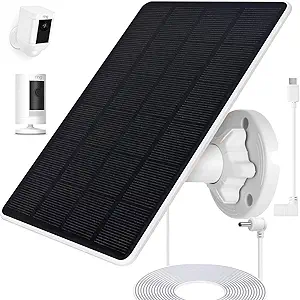
Portable Solar Panels: N-Type Cells, IP67 Rating, and Real-World Output
The HQST 200W uses N-Type monocrystalline cells rated at 25% efficiency—a meaningful step up from the 20–22% panels common in folding kits—and carries an IP67 waterproof rating that matters if the panel lives outside. But nameplate wattage rarely equals delivered power, so buyers should focus on cell technology, connector compatibility, and how the panel behaves in partial shade.
Key Considerations Before Buying
- N-Type cells resist light-induced degradation better than older P-type PERC cells and perform slightly better in high heat, but 25% efficiency only helps if panel dimensions and weight still suit your setup—check the folded size against your vehicle or pack.
- IP67 protects against dust and brief water immersion, not continuous submersion; the junction box and cable seals are the usual failure points, so confirm the warranty covers water ingress before trusting the rating in rain.
- Match the panel's output connector (often MC4 or an adapter cable) and voltage to your charge controller—a 200W panel pushing into an undersized PWM controller wastes much of its potential, so a compatible MPPT controller is worth budgeting for.
What Our Analysts Recommend
Look for published temperature coefficients and a real power tolerance spec (e.g., ±3%) rather than just peak wattage, since these reveal how honest the manufacturer is about real-world output. Check that the bypass diodes are specified—they determine how gracefully the panel handles shading—and verify the warranty length on the cells versus the frame and cabling separately.
Solar Panels Market Context
Market Overview
Portable solar has shifted from bulky polycrystalline folding panels toward lighter monocrystalline and N-Type designs, and 200W is now a sweet spot for van lifers, overlanders, and emergency backup users. Prices have fallen enough that cell quality and build materials—not wattage alone—increasingly separate good panels from disposable ones.
Common Issues
Buyers frequently report panels that underdeliver versus their rating in real conditions, especially in heat or partial shade, and flimsy hinges or frayed cables are recurring durability complaints on folding models. Water resistance claims are another friction point, since IP ratings on the panel don't always extend to the connectors and junction box.
Quality Indicators
Strong panels publish detailed electrical specs (Voc, Isc, temperature coefficient) and use ETFE or similarly durable surface laminates rather than thin PET film. Reinforced corner protection, sealed junction boxes, and clearly rated cabling are practical signs of a panel built to survive transport and weather.
Review Authenticity Insights
Grade A Interpretation
A Grade A authenticity rating with roughly 5% estimated fake reviews is about as clean as Amazon listings get—the analysis found reviews overwhelmingly detailed and technical, which is hard to fake at scale. The adjusted 4.30 rating versus the 4.44 displayed suggests only a minor inflation effect, so the underlying satisfaction level is likely genuine.
Trust Recommendation
You can treat the review base as broadly reliable, but still weight detailed reviews describing measured output and long-term durability over short five-star posts. The small gap between displayed and adjusted ratings means the product's reputation isn't propped up by manipulated reviews.
Tips for Reading Reviews
For solar panels, prioritize reviews that mention actual wattage measured with a meter, shade behavior, and how the panel held up after months of use. Skim past reviews that only praise packaging or shipping speed—they tell you nothing about whether the panel meets its 200W and 25% efficiency claims.
Expert Perspective
The HQST 200W pairs genuinely competitive cell technology—N-Type at 25% efficiency—with an IP67 rating and a review base that holds up under authenticity scrutiny, which is more than many budget solar listings can claim. A 4.30 adjusted rating across over 1,000 reviews indicates solid but not flawless satisfaction, typical of portable panels where connector and durability complaints surface over time. The specification sheet reads like a serious product rather than a wattage-only marketing exercise.
Purchase Considerations
Weigh the panel against your charge controller and battery bank: a 200W N-Type panel is only worth its premium if your MPPT controller and cabling can use the output. Consider where the panel will live—IP67 helps with rain and dust, but folding panels still need care with hinge wear and cable strain if deployed daily.
Comparing Alternatives
Compare against other 200W folding panels from established brands, checking measured-output reviews and warranty terms, since cell efficiency and waterproofing claims vary widely at similar prices.