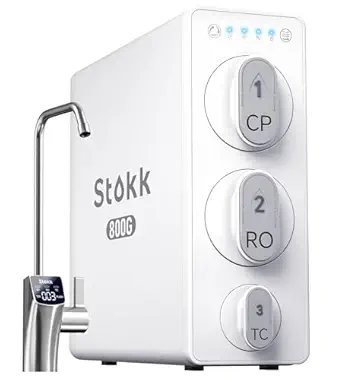
Countertop RO Systems: Installation-Free Water Purification for Renters and Homeowners
The DREO RO system represents a new category of water filtration that brings reverse osmosis purification to countertops without permanent installation. Unlike traditional under-sink RO units requiring plumbing modifications, this 3L capacity system offers the 3:1 pure-to-drain ratio and TDS monitoring typically found in premium installed systems. Buyers should understand that countertop RO units prioritize convenience over capacity, making them ideal for apartments, RVs, or homes where drilling into countertops isn't feasible.
Key Considerations Before Buying
- The 3:1 pure-to-drain ratio means this system wastes less water than traditional 4:1 or 5:1 RO systems, but you'll still need drainage access for the waste line.
- Countertop placement requires both electrical outlet proximity and space for the 3L autofill pitcher, which may impact kitchen workflow compared to under-sink models.
- The self-cleaning function helps maintain membrane longevity but adds to the unit's operational complexity compared to basic filtration pitchers.
What Our Analysts Recommend
Quality countertop RO systems should include transparent TDS monitoring like DREO's display, which shows both input and output water quality. The filter life indicator should be based on actual usage rather than simple timers. Check that the waste water collection method (either direct drain or container) matches your kitchen setup—this model requires drainage access.
Under-Sink & Countertop Filtration Market Context
Market Overview
Countertop RO systems have emerged as a bridge between basic filtration pitchers and permanent under-sink installations, growing particularly popular among renters and urban dwellers. The market now splits between basic activated carbon filters and true RO systems like this DREO model that achieve 90-99% contaminant reduction.
Common Issues
Users frequently report noise during the RO process, slow filtration rates (typically 0.5-1 gallons per hour), and confusion about proper waste water management. Countertop units also face criticism for their footprint compared to under-sink alternatives, though they eliminate installation complexity.
Quality Indicators
Look for NSF/ANSI certifications for specific contaminant reduction (not just general NSF certification), transparent TDS reduction reporting, and filter replacement indicators based on actual gallonage processed. Premium units like this DREO model include automatic shut-off features and self-cleaning cycles that extend membrane life beyond typical 6-month replacement cycles.
Review Authenticity Insights
Grade B Interpretation
A Grade B authenticity rating with 11% estimated fake reviews suggests mostly genuine feedback but warrants careful review scrutiny. For this DREO system, the 4.60 adjusted rating (down from 4.89) indicates some review manipulation but still reflects strong authentic satisfaction.
Trust Recommendation
Focus on reviews discussing specific installation scenarios, water quality measurements, and long-term filter replacement experiences rather than generic praise. The 109-review sample size provides sufficient data points, but prioritize reviews mentioning the 3:1 waste ratio or TDS display functionality.
Tips for Reading Reviews
Look for reviews that mention living situations (apartments, rentals, RVs) where installation-free operation matters. Authentic reviews typically discuss water taste changes, filter replacement costs, or specific contaminants reduced rather than just 'great product' statements.
Expert Perspective
The DREO system stands out for bringing true RO filtration to countertops with minimal compromise—its 3:1 efficiency ratio matches many installed systems, and the TDS monitoring provides transparency often missing in this category. The 4.60 adjusted rating from verified analysis suggests genuine user satisfaction, particularly regarding water quality improvement and installation convenience. However, the countertop footprint and drainage requirement mean it's not universally suitable despite its technical capabilities.
Purchase Considerations
Weigh whether you need RO-level filtration (for high TDS, specific contaminants) versus simpler carbon filtration. Consider your counter space and drainage access—this system requires both. Factor in long-term filter costs and replacement frequency, as RO membranes typically last 1-2 years with proper maintenance.
Comparing Alternatives
Compare with both under-sink RO systems for permanent solutions and basic countertop filters if you don't need RO-level purification.