Countertop RO Systems: What to Know About DREO's 3:1 Pure-to-Drain Ratio
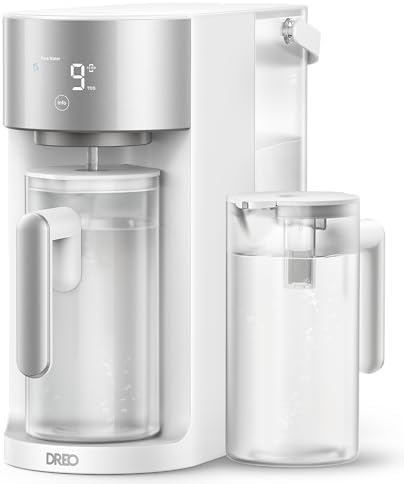
The DREO countertop RO system represents a specific niche: portable reverse osmosis without permanent installation. Its 3:1 pure-to-drain water efficiency ratio is a key technical specification that directly impacts water waste and operating costs. Unlike under-sink units, this design prioritizes plug-and-play convenience with included autofill pitchers for immediate use.
Key Considerations Before Buying
- The 3:1 pure-to-drain ratio means for every 3 gallons of purified water produced, 1 gallon goes down the drain as wastewater; compare this to older RO systems that often waste 4-5 gallons for every 1 gallon purified.
- Countertop placement requires accessible electrical and drain access (like a sink) for the wastewater tube, making kitchen counter real estate a practical concern versus under-sink models.
- The integrated TDS meter and filter life indicators provide real-time water quality data, but their accuracy and calibration over time should be verified against independent test strips.
What Our Analysts Recommend
For countertop RO systems, examine the connection stability where the wastewater tube meets your sink drain—poor seals can cause leaks. Quality units like the DREO use food-grade materials for water-contact parts and have clear, accessible filter change indicators. Listen for pump noise during the self-cleaning cycle; excessive vibration suggests inferior motor mounts.
Under-Sink & Countertop Filtration Market Context
Market Overview
The countertop RO market has expanded rapidly as renters and those avoiding plumbing modifications seek high-purity water. Unlike basic pitcher filters, these systems deliver true reverse osmosis removal of dissolved solids, competing directly with under-sink RO installations on performance but not footprint.
Common Issues
Users frequently report challenges with managing the wastewater drain tube and occasional slow filtration rates as membranes age. Countertop units also face criticism for cluttering limited kitchen space, and their multi-stage filters incur higher long-term costs than single-cartridge systems.
Quality Indicators
Superior countertop RO systems feature transparent waste water ratios (like DREO's advertised 3:1), robust self-cleaning functions to prolong membrane life, and include legitimate certifications from NSF or WQA for contaminant reduction. Build quality is evident in solid housing and secure tube fittings.
Review Authenticity Insights
Grade B Interpretation
A Grade B authenticity rating with an 11% estimated fake review rate suggests the majority of feedback is credible, but a small portion may be incentivized. The adjusted rating of 4.60/5 (down from 4.89) indicates genuine satisfaction is still very high, though slightly tempered from the raw score.
Trust Recommendation
Focus on reviews from verified purchasers that mention specific, tangible experiences like 'took 90 minutes to fill both pitchers initially' or 'reduced my TDS from 220 to 12,' rather than vague praise. The high number of verified purchases significantly bolsters the overall rating's reliability.
Tips for Reading Reviews
Prioritize reviews discussing long-term use (3+ months) to assess filter longevity and consistency of the TDS readings. Be skeptical of reviews that only praise packaging or ease of setup without detailing water taste, flow rate, or noise levels during operation.
Expert Perspective
The DREO system's data points to a well-received product that successfully delivers true RO filtration in a countertop form factor. Its strong adjusted rating of 4.60/5, based largely on verified purchases, indicates it meets core user expectations for water purity and convenience. The inclusion of two autofill pitchers and a self-cleaning mode addresses common pain points of slow dispensing and premature membrane fouling found in cheaper models. The product's main trade-off is dedicating permanent counter space and managing drain tubing for a performance level typically requiring under-sink installation.
Purchase Considerations
This product is ideal for those who cannot modify plumbing but want laboratory-grade water purification, or who frequently move residences. Consider your local water's baseline TDS; if it's exceptionally high (over 500 ppm), the system's waste water ratio may increase, and filter replacement costs will be more frequent. The upfront cost is justified by avoiding professional installation fees.
Comparing Alternatives
Shoppers should compare the DREO's 3:1 efficiency and pitcher design against other countertop RO units like Waterdrop's models, which may offer different waste ratios or tank-based storage.