
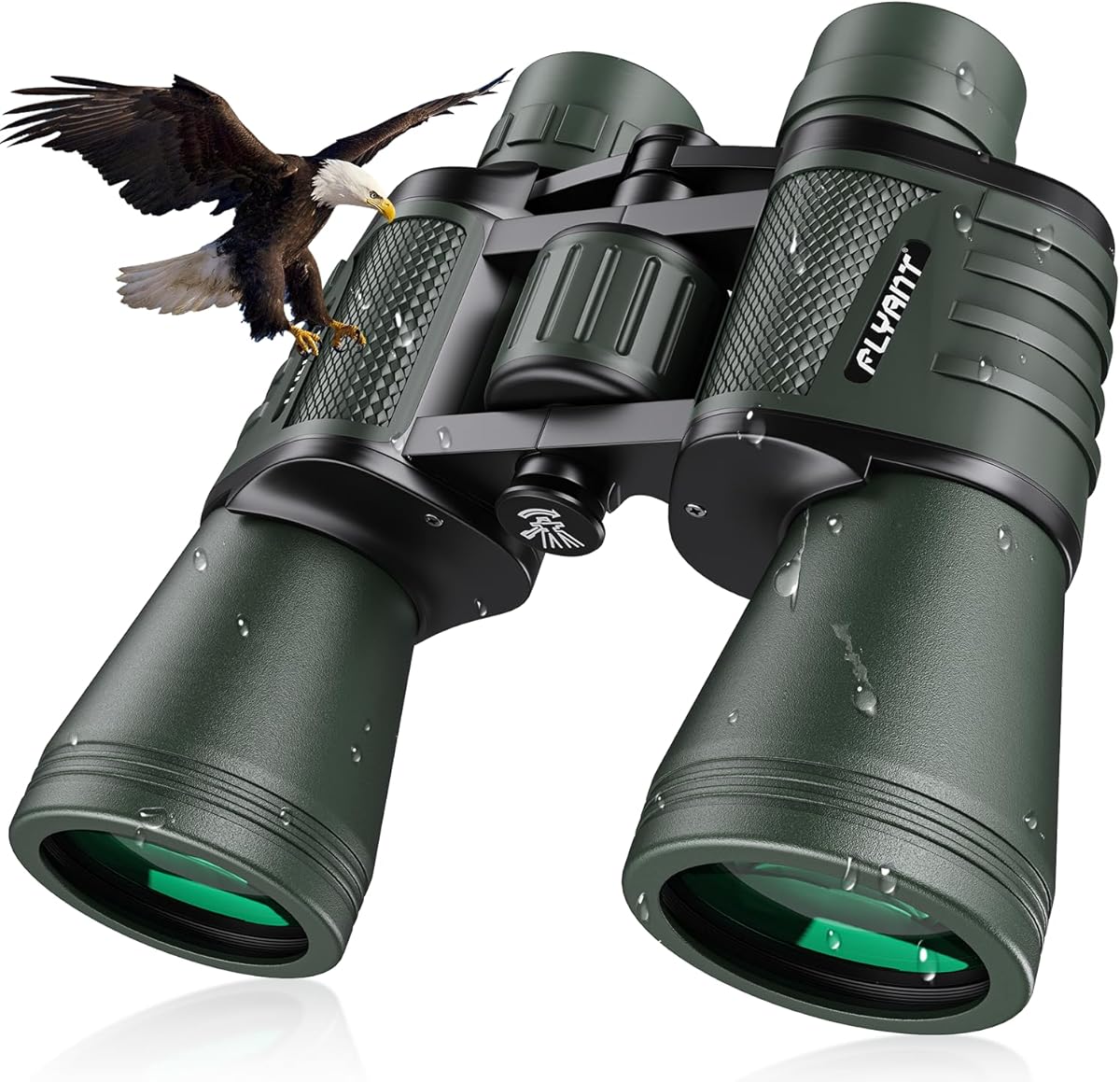
Choosing 20x50 Binoculars: Magnification, Clarity & Waterproofing
When shopping for high-powered binoculars like the 20x50 model, you're prioritizing long-distance viewing, but this comes with trade-offs in field of view and stability. Understanding how magnification, objective lens size, and waterproofing work together is crucial for activities like bird watching, hunting, or stargazing.
Key Considerations Before Buying
- Magnification vs. Stability: At 20x magnification, even slight hand movements are amplified, making a tripod or image stabilization essential for clear viewing. Without support, you may struggle to keep the image steady during extended use.
- Lens Quality and Low Light Performance: The 50mm objective lenses gather more light, but the quality of the glass and coatings (like fully multi-coated lenses) determines how well they perform in dawn, dusk, or overcast conditions. Look for high-transmission coatings to maximize brightness.
- Waterproofing and Fog Proofing: For outdoor use in rain or humid environments, nitrogen-purged, O-ring sealed binoculars prevent internal fogging and water damage. This is critical for camping, hiking, and cruise activities where weather can change.
What Our Analysts Recommend
Key quality indicators include fully multi-coated optics for light transmission, a durable rubber armor coating for grip and shock resistance, and a smooth central focus wheel. Also, check the exit pupil (2.5mm for 20x50) to ensure it matches your typical lighting conditions.
Binoculars Market Context
Market Overview
The binocular market for adults is crowded with options ranging from budget to premium, with 20x50 models often positioned as versatile tools for both daytime and low-light use. Many consumers seek a balance between power and portability, though high magnification models typically require more careful handling.
Common Issues
A frequent concern with high-powered binoculars is image shakiness at 20x, which can lead to user fatigue or blurred views. Additionally, some budget models may have misaligned prisms or poor lens coatings, resulting in chromatic aberration (color fringing) and reduced clarity.
Quality Indicators
To identify quality, look for phase-corrected BaK-4 prisms, which improve resolution and contrast. Also, ensure the binoculars are nitrogen-filled for fog proofing, and check for a solid warranty from the manufacturer, as this often reflects confidence in durability.
Review Authenticity Insights
Grade B Interpretation
With a Grade B and an estimated 10% fake review rate, the product's review set is mostly authentic but has some suspicious elements. This suggests that while the majority of user feedback is genuine, a small portion may be incentivized or fabricated, potentially inflating the overall rating slightly.
Trust Recommendation
We recommend focusing on verified purchase reviews that mention specific use cases—like bird watching or stargazing—and include both pros and cons. Given the 10% fake rate, cross-check any overly glowing or vague reviews with detailed user experiences to ensure reliability.
Tips for Reading Reviews
For this product category, prioritize reviews that discuss image clarity at different distances, ease of focusing, and performance in low light. Also, look for comments on the included accessories (e.g., carrying case, lens covers) as these can impact overall value.
Expert Perspective
The 20x50 binoculars present a solid option for users needing high magnification for outdoor activities, supported by a strong 4.67 average rating and largely genuine feedback. However, the 10% suspicious review rate and the inherent challenges of 20x magnification (like stability) mean buyers should manage expectations, especially for handheld use. The waterproofing and low-light capabilities add practical value for hunting or camping, but the adjusted rating of 4.40 suggests some users may have noted minor issues.
Purchase Considerations
Weigh the need for high magnification against your willingness to use a tripod or rest the binoculars on a stable surface. If you primarily need binoculars for quick scanning or moving targets, a lower magnification (e.g., 10x) might be more practical. Also, consider the weight and size of 20x50 models for travel or hiking.
Comparing Alternatives
Shoppers should compare this model with other 20x50 options from reputable brands, focusing on lens coatings and warranty. For those prioritizing portability, 10x42 or 12x50 binoculars may offer a better balance of power and usability.


