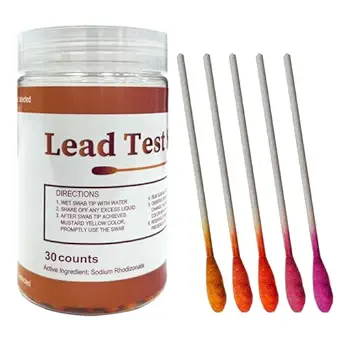
Choosing a Lead Test Kit: Accuracy, Swab Count, and Surface Compatibility Matter
When selecting a lead test kit like this 30-swab formulation, buyers should prioritize chemical accuracy over price alone. This specific product claims upgraded formulation for faster results and broader surface testing, including dishes and ceramics—features that differentiate it from basic paint-only kits. Understanding the limitations and proper application of these swabs is crucial for reliable results.
Key Considerations Before Buying
- Swab count versus testing scope: 30 swabs suggest comprehensive testing, but each swab is single-use; plan your testing strategy for multiple rooms or items accordingly.
- Surface compatibility claims: This kit explicitly mentions dishes and ceramics, which is essential for testing imported pottery or vintage dishware where lead glazes are a concern.
- Result timing and interpretation: The advertised 30-second results require strict adherence to the method; improper swabbing technique or contaminated surfaces can yield false negatives.
What Our Analysts Recommend
Quality indicators include clear chemical expiration dating, detailed instructions for different surface types (porous vs. non-porous), and the presence of a verification swab to confirm the reagent is active. The 'upgraded accurately formulated' claim should be backed by references to EPA-recognized methodologies or improved color-change sensitivity.
Lab Swabs Market Context
Market Overview
The consumer lead test kit market is crowded with varying quality, where formulations can degrade if improperly stored, affecting reliability. Kits positioned in the 'Lab Swabs' category, like this one, often aim for a more scientific positioning than general home improvement products.
Common Issues
Users frequently report inconsistent color changes, difficulty interpreting results on dark surfaces, and kits that fail to detect known lead-containing items. Another issue is swabs drying out before the full pack is used, wasting the investment.
Quality Indicators
Look for kits with lot numbers and manufacture dates, as the chemical reagents have a finite shelf life. Quality kits provide specific guidance on pre-cleaning surfaces and include control checks. Packaging that protects swabs from light and moisture is also a positive sign.
Review Authenticity Insights
Grade B Interpretation
A Grade B authenticity rating with a 15% estimated fake review rate indicates generally trustworthy feedback but warrants careful scrutiny. The adjusted rating of 4.60/5 (down from a perfect 5.00) suggests some review inflation, but the high percentage of verified purchases adds credibility.
Trust Recommendation
Focus on reviews that detail specific testing scenarios, like checking vintage toys or ceramic mugs, rather than generic praise. Be skeptical of reviews that only mention fast shipping or customer service, as these are common in manipulated feedback for this category.
Tips for Reading Reviews
Prioritize reviews that discuss the kit's performance on non-paint surfaces like dishes, as this is a key claim. Look for mentions of false positives/negatives and how the user validated the result, which indicates deeper, more authentic engagement with the product's purpose.
Expert Perspective
This kit's strong adjusted rating (4.60/5) and high verification purchase rate suggest it meets user expectations for a consumer-grade test. The specific claim of testing 'all surfaces' and dishes is a significant differentiator, moving it beyond basic paint checks. However, the authenticity grade B implies a need for cautious optimism; the product likely performs well but may have some incentivized reviews boosting its perfect score.
Purchase Considerations
Weigh the value of 30 swabs against your testing needs—ideal for a whole-house screening or a collection of items. Consider if the 'upgraded formulation' for faster results is worth a potential premium over standard 30-second kits. The ability to test ceramics is a major advantage if you own older dishware.
Comparing Alternatives
Shoppers should compare swab count, surface compatibility claims, and price-per-swab with other EPA-recognized kits to assess true value.