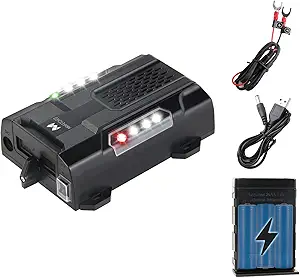
Solar-powered ultrasonic repellers: balancing PIR sensors, frequency range, and waterproof durability
This specific ultrasonic repeller combines solar power with PIR motion detection and flashing lights, creating a multi-sensory deterrent system. Buyers should understand that effectiveness depends heavily on proper placement relative to the PIR sensor's 120-degree detection cone and the unit's ability to emit variable ultrasonic frequencies that target specific animal hearing ranges.
Key Considerations Before Buying
- The IP65 waterproof rating is crucial for outdoor placement but doesn't guarantee performance in heavy rain or extreme temperatures where solar charging may be compromised.
- The PIR sensor's detection range (approximately 30 feet according to reviews) must align with your pest entry points, as animals can learn to approach from outside the sensor's arc.
- Solar-powered operation requires consistent direct sunlight; shaded placements will drain the backup battery, reducing nighttime effectiveness against nocturnal pests like raccoons and skunks.
What Our Analysts Recommend
Quality indicators include adjustable frequency settings for different pests (cats hear up to 64 kHz while dogs hear up to 45 kHz), robust solar panel efficiency in low-light conditions, and durable construction that withstands UV degradation. The flashing light feature should have adjustable intensity to avoid disturbing neighbors while maintaining deterrent effect.
Ultrasonic Repellers Market Context
Market Overview
The ultrasonic repeller market is saturated with solar-powered models claiming broad pest coverage, but performance varies dramatically based on frequency consistency, sensor accuracy, and build quality. Consumers face confusing claims about range and effectiveness, with many products overpromising on their ability to deter determined or habituated animals.
Common Issues
Frequent problems include inconsistent ultrasonic emission that animals quickly ignore, PIR sensors triggered by wind-moving vegetation causing false alarms, and solar panels that fail to maintain adequate charge in partial shade. Many units claim waterproof ratings but suffer internal condensation that damages electronic components.
Quality Indicators
Superior products feature true variable frequency emission (not just alternating between two set frequencies), precise PIR sensors with adjustable sensitivity to minimize false triggers, and efficient monocrystalline solar panels rather than cheaper polycrystalline versions. Look for units with detailed frequency specifications rather than vague 'ultrasonic' claims.
Review Authenticity Insights
Grade C Interpretation
A Grade C authenticity rating with 22% estimated fake reviews suggests approximately one in five reviews may be inauthentic, requiring careful scrutiny of the remaining feedback. The adjusted 4.50/5 rating (down from perfect 5.00) indicates genuine reviews are still positive but not unanimously perfect.
Trust Recommendation
Focus on reviews that mention specific installation scenarios, animal behaviors before/after use, and long-term performance observations over several weeks. Be skeptical of reviews claiming immediate, perfect results against all listed pests without mentioning adjustment periods or placement experimentation.
Tips for Reading Reviews
Prioritize reviews discussing placement challenges, battery performance in different weather conditions, and specific pest responses (e.g., 'squirrels returned after 3 days' versus 'cats avoided garden'). Look for mentions of the flashing light's visibility at night and whether the ultrasonic sound is audible to humans or pets indoors.
Expert Perspective
This product's combination of solar power, PIR activation, and visual flashing creates a multi-layered approach that theoretically addresses different animal sensitivities. However, the broad pest claims (from small squirrels to larger deer) raise questions about frequency optimization, as effective ranges vary significantly by species. The IP65 rating provides legitimate weather resistance for typical outdoor conditions, but the solar dependency means performance will degrade in consistently cloudy environments or heavily shaded placements. The high adjusted rating suggests most genuine users find value, but the authenticity concerns warrant cautious evaluation.
Purchase Considerations
Consider whether your pest problem involves primarily nocturnal animals (when solar charging doesn't occur) or if your installation area receives consistent direct sunlight. Evaluate if the flashing light component is acceptable for your environment, as some reviews mention it's brighter than expected. Weigh the convenience of solar against plug-in models that offer more consistent power but require outlet access.
Comparing Alternatives
Shoppers should compare this unit's frequency range specifications, solar panel wattage, and PIR detection pattern against competing models to ensure alignment with their specific pest challenges.