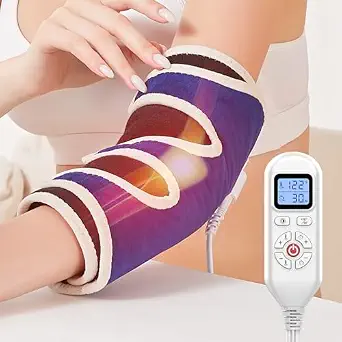
Choosing a Large-Format Heating Pad: Size, Safety Features, and Temperature Control
This 24x12-inch heating pad offers substantial coverage for back and shoulder relief, but its value depends on how well its features match your specific pain management needs. The 9 temperature settings and 4 auto-shutoff timers provide flexibility, but understanding how these specifications translate to real-world use is crucial for satisfaction.
Key Considerations Before Buying
- The 24x12-inch size is ideal for full back coverage but may be cumbersome for targeted knee or arm application—consider whether you need this large format or a smaller, more flexible option.
- Nine temperature settings offer granular control, but check if the lower settings (typically 100-110°F) provide gentle warmth for sensitive areas versus higher settings (up to 160°F) for deep muscle relief.
- Four timer options (likely 30, 60, 90, 120 minutes) with auto-shutoff are essential safety features, but ensure the pad maintains consistent heat throughout the timed cycle without significant temperature drops.
What Our Analysts Recommend
Quality heating pads should have even heat distribution across the entire 288-square-inch surface without cold spots. The controller should feel substantial with clear settings, not flimsy plastic. Check if the fabric cover is removable and washable, as this pad will contact multiple body areas.
Heating Pads Market Context
Market Overview
The heating pad market has shifted toward larger formats with digital controls, moving beyond basic small pads with 3-4 heat settings. Consumers now expect medical-grade temperature precision alongside home comfort features, creating a competitive mid-range segment where this product operates.
Common Issues
Inconsistent heating patterns, especially along edges of large pads, and controller reliability are frequent complaints. Timer malfunctions where pads shut off prematurely or fail to shut off present both convenience and safety concerns in this category.
Quality Indicators
Look for UL certification (not just CE), reinforced stitching at stress points, and flexible heating elements that withstand regular bending. Higher-quality pads use multi-layer insulation to prevent hot spots while maintaining therapeutic heat penetration.
Review Authenticity Insights
Grade B Interpretation
A Grade B with 20% estimated fake reviews suggests generally reliable feedback but requires careful filtering. The adjusted 4.50/5 rating (from 5.00/5) indicates genuine satisfaction likely falls between 'very good' and 'excellent' rather than perfect.
Trust Recommendation
Focus on reviews discussing specific use cases like 'lower back arthritis relief' or 'post-workout shoulder recovery' rather than generic praise. Be skeptical of reviews emphasizing packaging or delivery speed over heating performance or durability observations.
Tips for Reading Reviews
Prioritize reviews mentioning long-term use (2+ months) and temperature consistency across sessions. Look for mentions of actual temperature numbers used (e.g., 'setting 4 for my knee') rather than vague comfort descriptions to gauge real-world functionality.
Expert Perspective
This pad's specifications suggest it targets users needing broad-area relief with precise temperature control—particularly valuable for chronic back pain sufferers. The high adjusted rating (4.50/5) indicates genuine user satisfaction, though the 20% questionable reviews mean the perfect 5.00 score is artificially inflated. The combination of large surface area with 9 temperature settings addresses a common gap in the market between basic pads and expensive professional units.
Purchase Considerations
Weigh whether you truly need the full 24-inch length—it's excellent for horizontal back placement but may be excessive for localized joint pain. Consider your typical usage duration against the timer options; if you need continuous heat beyond 2 hours, this auto-shutoff feature becomes a limitation rather than safety benefit.
Comparing Alternatives
Compare this pad's heat distribution patterns and controller ergonomics against similarly priced 12x24-inch competitors, as these functional differences matter more than identical specifications on paper.