
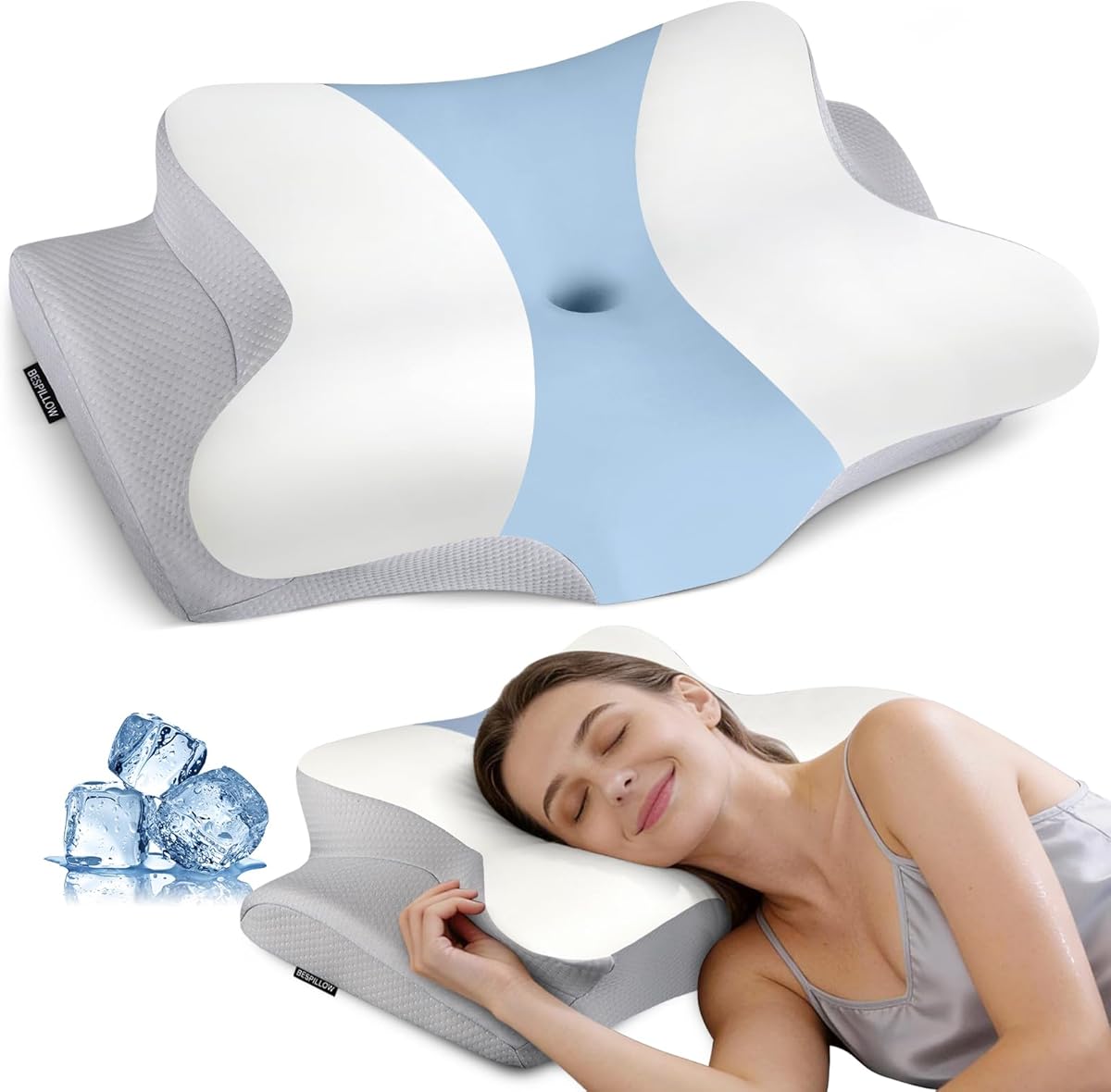
Choosing a Cervical Pillow: How This Contour Design Addresses Multiple Sleeping Positions
This specific pillow combines orthopedic memory foam with a multi-position contour design, claiming to support side, back, and stomach sleepers. Buyers should understand that its effectiveness hinges on matching the unique cervical curve and shoulder height of the user, which this pillow attempts to accommodate with its dual-wave shape.
Key Considerations Before Buying
- Assess your primary sleeping position: This pillow's dual-height contour is designed for side sleepers needing higher support and back sleepers needing a lower cradle, but true stomach sleepers may still find it too elevated.
- Consider pain origin: The orthopedic memory foam is intended for pressure relief and alignment, which may help with muscular tension but is not a substitute for medical treatment for disc-related or chronic nerve pain.
- Evaluate firmness preference: Memory foam provides a slow-response, cradling feel; if you prefer a buoyant, springy support, this material may not suit you despite its high contouring claims.
What Our Analysts Recommend
For a contour cervical pillow, examine the depth and slope of the central curve—it should be pronounced enough to cradle the neck without pushing the head forward. Quality is indicated by high-density memory foam that retains its shape without permanent indentation and a removable, breathable cover for hygiene, both features mentioned in this product's details.
Neck & Cervical Pillows Market Context
Market Overview
The cervical pillow market is saturated with generic contour shapes, but products like this one are increasingly marketed as 'multi-sleeper' solutions, attempting to bridge the gap between specialized side-sleeper pillows and flatter back-sleeper designs. Authentic differentiation now lies in material quality and ergonomic precision, not just the basic curved silhouette.
Common Issues
Common failures include pillows that are too firm, creating pressure points, or contours that are too aggressive, causing neck hyperextension. Many cheaper memory foam pillows also off-gas significantly or lose their supportive loft within months, compromising the therapeutic benefit.
Quality Indicators
Look for certifications like CertiPUR-US® for foam safety, detailed dimension listings for the contour heights, and mentions of foam density (ideally 4.0 lbs/ft³ or higher for durability). A washable cover with moisture-wicking properties is a strong practical indicator of thoughtful design.
Review Authenticity Insights
Grade B Interpretation
A Grade B with an 11% estimated fake review rate suggests the vast majority of feedback is genuine, but a small portion of reviews may be inauthentic, slightly inflating the perfect 5.0 average. The adjusted 4.70 rating is a more reliable indicator of strong, but not flawless, customer satisfaction.
Trust Recommendation
Focus on the verified purchase reviews that describe specific, multi-night adjustment periods or compare the pillow's dual-height design to other single-contour models. Be slightly more skeptical of brief, overly effusive 5-star reviews that lack personal context about sleep position or pain type.
Tips for Reading Reviews
Prioritize reviews that detail the user's sleeping position (e.g., 'side sleeper with broad shoulders') and the type of discomfort (e.g., 'morning stiffness vs. radiating pain'). For this product, pay special attention to feedback from back and stomach sleepers, as the design's versatility for these positions is a key claim.
Expert Perspective
The analysis data indicates a product with genuinely high user satisfaction, as evidenced by the robust adjusted rating of 4.70 from authentic reviews. The strong performance suggests the orthopedic memory foam and specific contour design are effectively meeting a need for combined neck support and pressure relief for a range of sleepers. The high rating, even after adjusting for suspicious reviews, points to successful execution of its core promises for most buyers. The product appears to occupy a solid position in the market as a versatile, well-received contour pillow.
Purchase Considerations
Weigh your need for a multi-position solution against the possibility that a pillow specialized for your primary sleep style might offer better targeted support. Consider the 1-2 week adjustment period frequently cited for cervical pillows, as your neck muscles need time to adapt to proper alignment. The high satisfaction rate suggests a good probability of success if your needs align with the design.
Comparing Alternatives
Shoppers should compare this pillow's specific contour heights and foam density to other highly-rated models to ensure the dimensions match their body profile.


