
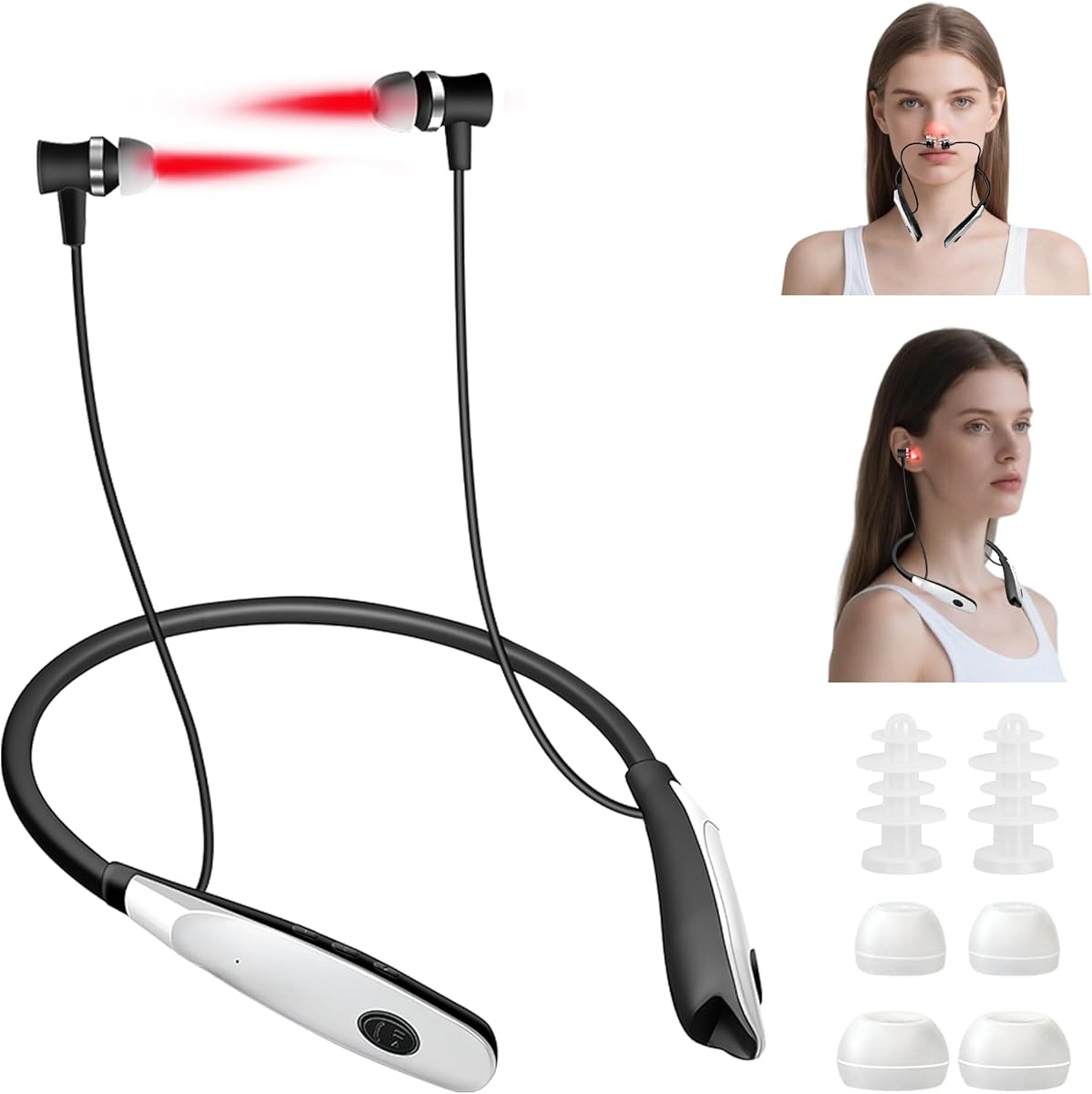
Choosing a Wearable Red Light Therapy Device: Key Factors for Nose and Ear Treatment
When evaluating this 2026 Upgraded 2-in-1 device, focus on its specific 650nm wavelength and neck-wearable design. Unlike stationary panels, this portable format targets nasal and ear passages directly, requiring different considerations than full-body red light therapy systems.
Key Considerations Before Buying
- The 650nm wavelength is specifically chosen for tissue penetration in sensitive areas like nasal passages and ear canals, but lacks the deeper penetration of 850nm wavelengths used for joint or muscle therapy.
- Neck-wearable design prioritizes convenience over power, making it suitable for consistent daily use but not for treating larger body areas or deeper tissue concerns.
- Washable silicone tips are essential for hygiene in mucous membrane applications, but require regular cleaning to prevent bacterial buildup in warm, moist environments.
What Our Analysts Recommend
Quality indicators include medical-grade silicone components that contact sensitive areas, consistent light output across all LEDs, and secure neck attachment that maintains proper positioning. The 2-in-1 functionality should provide equal light distribution to both treatment areas without compromising intensity.
Light Therapy Market Context
Market Overview
The wearable red light therapy market has expanded beyond facial masks to include targeted devices like this nose and ear model. While clinical evidence for nasal/ear applications is less established than for skin or joint treatments, consumer interest in convenient, localized therapy continues to grow.
Common Issues
Many portable devices suffer from inconsistent light output, uncomfortable fit during extended wear, or inadequate battery life for daily treatment protocols. The dual-function design introduces additional complexity in maintaining proper alignment with both anatomical areas simultaneously.
Quality Indicators
Superior devices feature consistent LED spacing, medical-grade materials contacting sensitive areas, and clear intensity specifications. The neck-wearable format should balance comfort with secure positioning to maintain consistent light exposure during movement.
Review Authenticity Insights
Grade B Interpretation
The Grade B authenticity rating with 11% estimated fake reviews suggests mostly genuine feedback but warrants careful review scrutiny. For this emerging product category, authentic reviews typically describe specific usage patterns and gradual results rather than miraculous overnight transformations.
Trust Recommendation
Focus on reviews that mention consistent use over weeks, specific sensations during treatment, or comparisons to other light therapy formats. Be skeptical of reviews claiming dramatic results from minimal use or those lacking personal context about why they chose this targeted device.
Tips for Reading Reviews
Look for reviews discussing fit adjustments, battery performance during daily use, and cleaning routines for the silicone components. Authentic users often mention learning curves with positioning the dual-treatment device and gradual adaptation to the therapy routine.
Expert Perspective
This device represents a niche application of red light therapy with its focused 650nm wavelength and anatomical targeting. The 4.40 adjusted rating from verified reviews suggests generally positive experiences, particularly regarding convenience and comfort. However, the specialized nature means it won't substitute for broader light therapy needs. The 2026 upgrade likely addresses earlier wearable design limitations, though specific improvements aren't detailed in available information.
Purchase Considerations
Consider whether your primary concerns align with the device's targeted nasal and ear applications versus broader wellness goals. The convenience of neck-wearable design must be weighed against the limited treatment area coverage compared to handheld or panel devices. Evaluate your consistency with daily wearable routines, as irregular use diminishes potential benefits.
Comparing Alternatives
Compare with handheld red light wands offering more versatility or nasal-specific devices without ear functionality if you have singular treatment priorities.


