
Choosing an Ultrasonic Bark Deterrent: Range, Frequency, and Rechargeability Matter
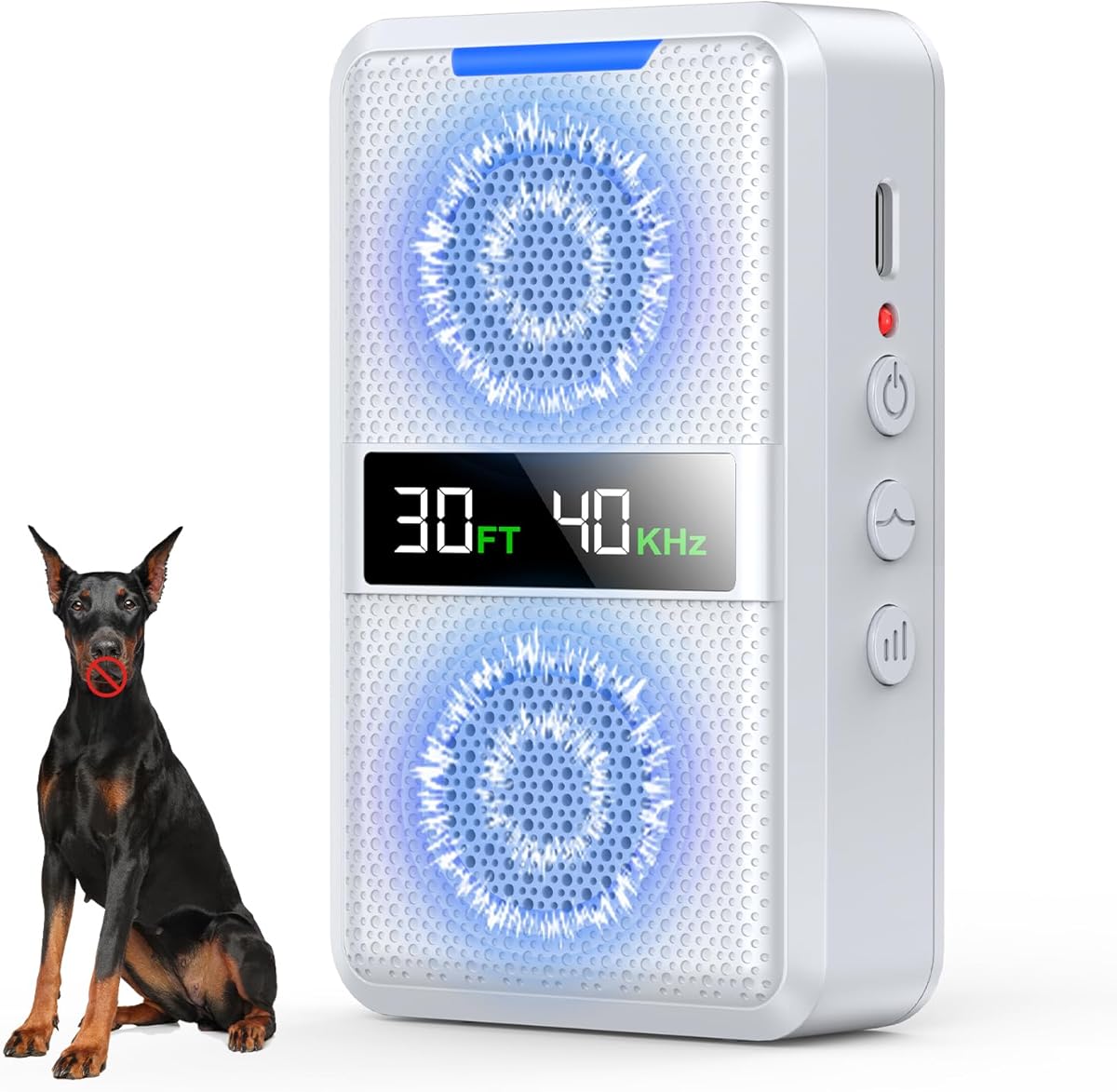
Ultrasonic bark deterrents like this Type-C rechargeable model work by emitting high-frequency sounds that are unpleasant to dogs but inaudible to most humans. When evaluating this specific product, pay attention to its 30-foot effective range and adjustable frequency settings, which allow customization for different dog sizes and sensitivities.
Key Considerations Before Buying
- The 30-foot range is effective for medium-sized yards but may not reach dogs at greater distances or through significant obstacles.
- Adjustable frequency settings are crucial as some dogs may be less responsive to standard ultrasonic tones, requiring higher or lower frequencies.
- Type-C rechargeability offers modern convenience but check battery life claims against actual usage patterns for both indoor and outdoor applications.
What Our Analysts Recommend
Quality ultrasonic deterrents should specify their frequency range (typically 15,000-25,000 Hz) and include multiple settings. Look for products that clearly state their effective distance under real-world conditions, not just laboratory testing. Water resistance is valuable for outdoor use, though this model doesn't explicitly advertise it.
Repellents Market Context
Market Overview
The ultrasonic bark deterrent market has shifted toward rechargeable models with adjustable settings, moving away from disposable battery units. Recent products increasingly feature Type-C charging ports, reflecting consumer preference for universal charging compatibility.
Common Issues
Many ultrasonic deterrents suffer from inconsistent effectiveness across different dog breeds and temperaments, with some dogs habituating to the sound over time. Range claims often overstate real-world performance, especially when obstacles or background noise are present.
Quality Indicators
Superior products provide specific frequency information, multiple intensity levels, and transparent testing methodologies. Look for deterrents that include both indoor and outdoor modes, as environmental factors significantly impact ultrasonic transmission.
Review Authenticity Insights
Grade B Interpretation
A Grade B authenticity rating with 15% estimated fake reviews suggests generally trustworthy feedback with some promotional content. The adjusted 4.60/5 rating (down from 5.00/5) indicates genuine satisfaction but with more realistic expectations than the perfect score suggests.
Trust Recommendation
Focus on reviews that describe specific scenarios like 'stopped my Labrador's fence-running' rather than vague praise. Verified purchase reviews discussing both successes and limitations provide the most reliable insights for this behavior correction tool.
Tips for Reading Reviews
Prioritize reviews that mention how long the deterrent remained effective and whether their dog habituated to the sound. Look for detailed accounts of outdoor versus indoor performance, as this product claims both applications.
Expert Perspective
This ultrasonic deterrent's combination of Type-C charging, adjustable frequency, and 30-foot range represents current market standards for mid-range devices. The 4.60 adjusted rating from authentic reviews suggests reliable performance, though effectiveness will vary by dog breed, age, and barking triggers. The product's dual indoor/outdoor designation requires careful consideration of environmental factors that affect ultrasonic transmission.
Purchase Considerations
Consider your dog's specific barking triggers—ultrasonic devices work best for attention-seeking or territorial barking rather than anxiety-based vocalizations. Evaluate whether your primary use case (indoor containment, outdoor deterrence, or both) aligns with the product's 30-foot range claims in your specific environment.
Comparing Alternatives
Compare this model's frequency adjustment granularity and recharge cycle against competitors offering similar range specifications.


