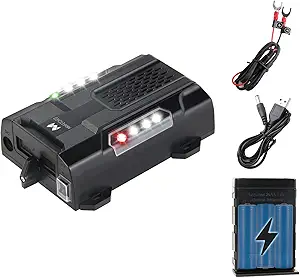
Solar ultrasonic repellers require strategic placement and realistic expectations for effectiveness
This upgraded solar-powered device combines ultrasonic sound with motion-activated flashing lights to deter multiple animal types. Buyers should understand that effectiveness varies significantly based on installation location, animal species, and environmental factors. The product's solar charging capability and adjustable sensitivity settings are key features that differentiate it from basic plug-in models.
Key Considerations Before Buying
- Solar charging performance depends on direct sunlight exposure—units placed in shaded areas may not maintain consistent power for 24/7 operation.
- Ultrasonic frequencies have limited range and can be blocked by obstacles; effectiveness diminishes beyond approximately 30 feet in open areas.
- Animal habituation is common with ultrasonic devices; the motion-activated flashing light on this model helps combat this by adding a visual deterrent element.
What Our Analysts Recommend
Quality solar repellers should have adjustable sensitivity settings to reduce false triggers from wind-blown vegetation. Look for waterproof ratings (IP65 or higher) for outdoor durability and multiple frequency settings to target different animal hearing ranges. The inclusion of both day and night modes indicates more sophisticated operation.
Ultrasonic Repellers Market Context
Market Overview
The ultrasonic animal repellent market has expanded rapidly with solar-powered models becoming increasingly popular for their cord-free installation. Current offerings range from basic stationary emitters to sophisticated motion-activated systems like this upgraded model with flashing lights. Consumer expectations often exceed technological capabilities, leading to mixed satisfaction.
Common Issues
Many users report inconsistent results due to improper placement, insufficient solar charging, or animals becoming accustomed to the ultrasonic frequencies. Water damage from inadequate sealing and false triggering from non-target movement are frequent complaints across the category. The effectiveness gap between marketing claims and real-world performance creates significant buyer skepticism.
Quality Indicators
Superior models feature adjustable frequency ranges (typically 15-65 kHz) to target specific pests, multiple deterrent modes (sound only, light only, or combined), and robust solar panels with battery backup. Look for units with 360-degree coverage and physical mounting options rather than just stake installation for better positioning flexibility.
Review Authenticity Insights
Grade C Interpretation
The 'C' authenticity grade and 22% estimated fake review rate indicate moderate review manipulation concerns. This suggests some reviews may be incentivized or artificially positive, though the majority appear genuine. The adjusted 4.50/5 rating (down from perfect 5.00) better reflects authentic customer experiences.
Trust Recommendation
Focus on reviews that mention specific installation details, animal behaviors, or timeframes for results rather than generic praise. Be particularly skeptical of reviews claiming immediate, perfect results across all animal types, as ultrasonic effectiveness is typically gradual and species-dependent.
Tips for Reading Reviews
Prioritize reviews discussing placement strategies, solar charging performance in different weather conditions, and specific animals successfully (or unsuccessfully) deterred. Look for patterns in negative reviews about particular failure modes, such as water intrusion or inconsistent motion detection.
Expert Perspective
This upgraded model represents a mid-tier solar ultrasonic repeller with the advantage of combined audio-visual deterrence. The motion-activated flashing light addresses the habituation problem common to pure ultrasonic devices. However, the 22% fake review rate warrants caution, and the adjusted 4.50 rating suggests more realistic performance expectations than the perfect 5.00 might indicate. The product's effectiveness will depend heavily on proper placement in areas with consistent sunlight and minimal obstructions.
Purchase Considerations
Consider your specific pest animals—deer and rabbits typically respond better to ultrasonic frequencies than raccoons or squirrels, which may require the visual deterrent component. Evaluate your installation area's sunlight exposure and whether you need multiple units for adequate coverage. The single-pack configuration limits coverage to approximately 1,000 square feet under ideal conditions.
Comparing Alternatives
Shoppers should compare this model's solar panel size, frequency adjustment options, and warranty terms against similar-priced competitors before purchasing.