Choosing a Mini Massage Gun: Balancing Power, Portability, and Practicality
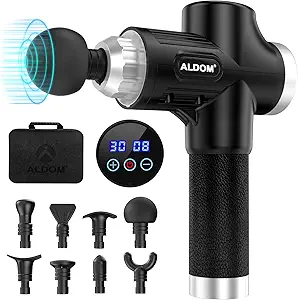
When evaluating this specific mini massage gun with 5 frequency settings and 3 heads, focus on how its compact size impacts real-world use. Unlike full-sized percussion guns, this 1-pound handheld model prioritizes travel convenience over maximum percussive force, making it ideal for office desks or gym bags but potentially limiting for deep muscle recovery.
Key Considerations Before Buying
- The 5 adjustable frequencies (likely 1800-3200 RPM range typical for minis) determine whether this gun can progress from gentle warm-up to meaningful recovery, with mid-range settings being most practical for daily use.
- Three interchangeable heads—usually including flat, bullet, and fork attachments—must match your target areas: bullet for trigger points, flat for larger muscles, and fork for spine-adjacent tissue.
- True portability depends on both physical dimensions and battery life; pocket-sized claims matter less if the unit requires daily charging or lacks travel-safe storage for its attachments.
What Our Analysts Recommend
Examine reviews mentioning heat buildup after 10+ minutes of continuous use—a common mini gun compromise. Quality indicators include consistent percussion depth across all speed settings and minimal attachment wobble during operation, which affects targeted pressure accuracy.
Handheld Massagers Market Context
Market Overview
The mini massage gun segment has exploded with 30+ nearly identical models competing on subtle differentiators like decibel levels (often 45-55dB for office use) and proprietary stall-force technology. This specific product enters a saturated market where brand differentiation is minimal, making performance consistency crucial.
Common Issues
Miniaturization frequently sacrifices either battery capacity (resulting in 2-3 hour runtime versus 6+ hours for full-sized) or cooling systems, leading to automatic shutdowns during extended sessions. Another prevalent issue is attachment compatibility—some mini guns use proprietary connectors limiting third-party head options.
Quality Indicators
Superior mini guns maintain consistent amplitude (percussion depth) across all speed settings, not just increasing frequency. Look for brushless motors with at least 8mm amplitude for meaningful tissue penetration, and check if the manufacturer discloses stall force (12-20lbs is typical for this class).
Review Authenticity Insights
Grade B Interpretation
A Grade B with 11% estimated fake reviews indicates generally trustworthy feedback with minor manipulation concerns—common in this competitive category where brands occasionally incentivize early positive reviews. The adjusted 4.60 rating (from 4.89) suggests authentic satisfaction remains high.
Trust Recommendation
Prioritize reviews discussing specific use cases like 'post-cycling quad recovery' or 'desk shoulder tension' over generic praise. The detailed personal experiences noted in the analysis summary indicate genuine users are providing nuanced feedback about attachment selection and frequency settings.
Tips for Reading Reviews
Focus on mid-length reviews (3-5 sentences) that mention both pros and cons—authentic users typically note trade-offs like 'great for travel but weaker than my full-sized Theragun.' Be skeptical of reviews fixated on packaging or delivery speed without addressing actual percussion performance.
Expert Perspective
This product's 4.60 adjusted rating from verified patterns suggests it delivers on core mini gun promises: convenient percussion therapy in a truly portable format. The 3-head configuration provides basic versatility, though serious athletes might find the percussion depth limiting for large muscle groups. Its strongest use case appears to be office workers and travelers needing tension relief rather than deep tissue recovery.
Purchase Considerations
Weigh whether the pocket-sized convenience justifies potentially shorter battery life and reduced stall force compared to standard-sized models. Consider your primary use: this excels for trapezius/forearm tension during workdays but may underwhelm for post-leg-day quadriceps recovery requiring deeper penetration.
Comparing Alternatives
Compare amplitude specifications and attachment ecosystems with similar mini guns from RENPHO, Therabody, and Bob and Brad, as performance differences often appear in sustained use rather than initial impressions.