
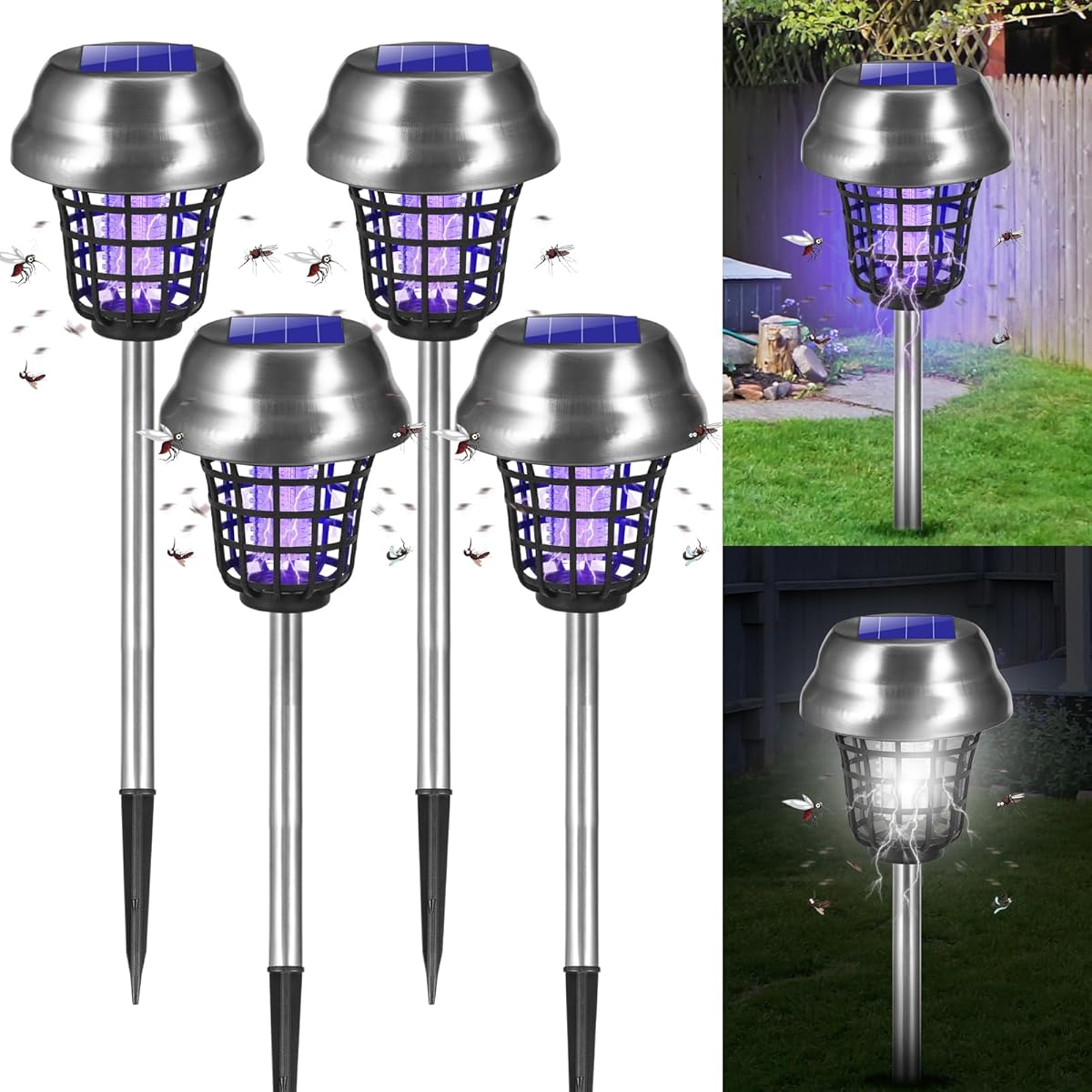
Solar Bug Zapper Evaluation: What Matters for Multi-Unit Outdoor Protection
When considering this 4-pack solar bug zapper system, buyers should understand that solar-powered units require strategic placement for optimal charging. Unlike plug-in models, these devices depend entirely on solar panel efficiency and battery capacity, making them ideal for perimeter protection but potentially less powerful than AC-powered alternatives.
Key Considerations Before Buying
- Solar charging effectiveness varies significantly based on your geographic location and placement—units need 6-8 hours of direct sunlight daily for reliable dusk-to-dawn operation.
- The 4-pack configuration suggests perimeter deployment strategy; effective mosquito control requires placing units 20-30 feet apart around seating areas rather than clustering them.
- Waterproof construction is essential for outdoor durability, but true IP ratings matter more than generic claims—look for specific water resistance standards in product documentation.
What Our Analysts Recommend
Quality solar bug zappers feature monocrystalline solar panels rather than polycrystalline for better low-light charging. Genuine waterproof units typically specify IPX4 or higher ratings, while quality indicators include UV wavelength specifications (365-395nm optimal) and stainless steel grids rather than cheaper coated alternatives.
Bug Zappers Market Context
Market Overview
The solar bug zapper market has expanded rapidly with many new entrants offering multi-pack configurations at competitive prices. Current offerings range from basic decorative units to serious pest control systems, with significant variation in solar panel efficiency and trapping mechanisms.
Common Issues
Many solar zappers suffer from inadequate battery capacity, leading to premature shutdown after sunset. Another frequent complaint involves weak attraction lights that fail to draw insects beyond immediate proximity, plus inconsistent waterproofing that causes failure during heavy rain.
Quality Indicators
Superior solar zappers specify battery capacity in mAh (2000mAh+ preferred), use LED rather than fluorescent attraction lights for energy efficiency, and include replaceable collection trays. Quality units also provide clear solar panel wattage specifications rather than vague 'high-efficiency' claims.
Review Authenticity Insights
Grade B Interpretation
The Grade B authenticity rating with 15% estimated fake reviews indicates generally reliable feedback but suggests some review manipulation. For this specific product, the gap between the perfect 5.0 rating and adjusted 4.6 rating reveals potential review inflation common in competitive outdoor pest control categories.
Trust Recommendation
Focus on reviews that mention specific usage durations (e.g., 'after 3 weeks of use') and geographic locations, as these provide more reliable performance data. Be particularly skeptical of reviews that don't mention solar charging performance or placement considerations.
Tips for Reading Reviews
Prioritize reviews discussing actual insect capture rates rather than general satisfaction. Look for mentions of battery life after cloudy days and specific insects caught (mosquitoes vs. moths), as these details indicate genuine testing experience with the product.
Expert Perspective
This 4-pack solar zapper system shows promising user satisfaction with an adjusted 4.6 rating from verified purchasers, suggesting decent performance for its price segment. The multi-unit approach addresses a key limitation of single solar zappers—insufficient coverage area—but introduces placement complexity. The product appears strongest for perimeter defense rather than immediate seating area protection, based on review patterns mentioning gradual area improvement over time.
Purchase Considerations
Consider your property's sunlight exposure before purchasing; shaded yards will significantly reduce effectiveness. The 4-pack configuration makes most sense for 1/4 acre or larger properties where creating a protective barrier matters more than concentrated killing power. Weigh whether you need immediate results (favor chemical or propane options) versus gradual population reduction.
Comparing Alternatives
Shoppers should compare coverage claims against similar multi-pack solar units and consider whether individual higher-quality units might provide better value than multiple budget-oriented devices.


