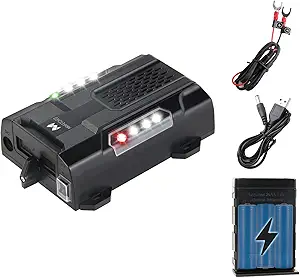
Solar ultrasonic bird deterrents: balancing eco-friendly claims with real-world effectiveness
The 2026 Ultrasonic Bird Repeller represents a specific niche in pest control: solar-powered, weather-resistant devices that claim to deter birds through inaudible high-frequency sounds. Buyers should understand that effectiveness varies dramatically based on bird species, installation location, and environmental factors. This particular model emphasizes its IP65 waterproof rating and solar charging capability for continuous outdoor operation.
Key Considerations Before Buying
- Ultrasonic effectiveness is species-dependent: pigeons and sparrows may habituate quickly, while woodpeckers might be more responsive to frequency variations.
- Solar-powered operation requires adequate daily sunlight exposure; shaded installations may experience power interruptions affecting the deterrent's consistency.
- The IP65 waterproof rating is crucial for year-round outdoor use, but doesn't guarantee performance in extreme temperature fluctuations common to patio and garden environments.
What Our Analysts Recommend
Quality indicators for solar ultrasonic repellers include adjustable frequency settings to prevent bird habituation, genuine solar panel efficiency (not just decorative panels), and durable construction that withstands UV degradation. The mounting system should accommodate various surfaces from balcony railings to garden stakes without compromising the device's angle toward target areas.
Ultrasonic Repellers Market Context
Market Overview
The ultrasonic bird repeller market is saturated with similar-looking solar devices making ambitious claims, creating confusion for consumers seeking reliable solutions. Recent models like this 2026 version increasingly emphasize waterproof ratings and broader species targeting, responding to complaints about earlier generations' limitations.
Common Issues
Most complaints center on inconsistent effectiveness—birds initially avoiding areas but returning within weeks—and solar charging problems in partially shaded locations. Consumers frequently report confusion about proper placement and frustration with devices that work intermittently depending on weather conditions.
Quality Indicators
Superior units feature multiple ultrasonic frequency patterns that automatically rotate, preventing bird adaptation. Genuine quality products provide specific installation guidance for different bird species and include backup power options for cloudy conditions, rather than relying solely on solar charging.
Review Authenticity Insights
Grade B Interpretation
A Grade B authenticity rating with 15% estimated fake reviews indicates mostly genuine feedback but suggests some review manipulation. For this product category, this often manifests as overly enthusiastic reviews that don't acknowledge the situational limitations of ultrasonic technology.
Trust Recommendation
Focus on reviews that mention specific bird species (woodpeckers vs. pigeons), detailed installation experiences, and long-term results over several months. Be skeptical of reviews claiming universal effectiveness across all bird types without mentioning habituation periods.
Tips for Reading Reviews
Prioritize reviews discussing placement adjustments, solar performance in different weather, and specific bird behaviors observed. Look for patterns in negative reviews about particular failure points like mounting hardware durability or inconsistent sound emission.
Expert Perspective
The 3.00 adjusted rating suggests this device delivers mixed results typical of solar ultrasonic repellers. The authentic reviews likely reveal a pattern: initial success with certain bird species followed by diminished effectiveness over time. The IP65 rating is a legitimate feature for outdoor durability, but doesn't address the core challenge of maintaining bird deterrence beyond the novelty period. Solar-powered operation creates both convenience and dependency on optimal sunlight conditions.
Purchase Considerations
Consider this device primarily for temporary or rotating deterrent strategies rather than permanent solutions. Its effectiveness will depend heavily on your specific bird problem—woodpeckers on siding versus pigeons on balconies require different approaches. Factor in your location's sunlight exposure when evaluating the solar charging claims.
Comparing Alternatives
Shoppers should compare this with ultrasonic models offering manual frequency adjustment and those combining ultrasonic with visual deterrents for multi-sensory approaches.