Smart Fly Traps with Environmental Sensors: What Indoor Pest Control Buyers Should Know
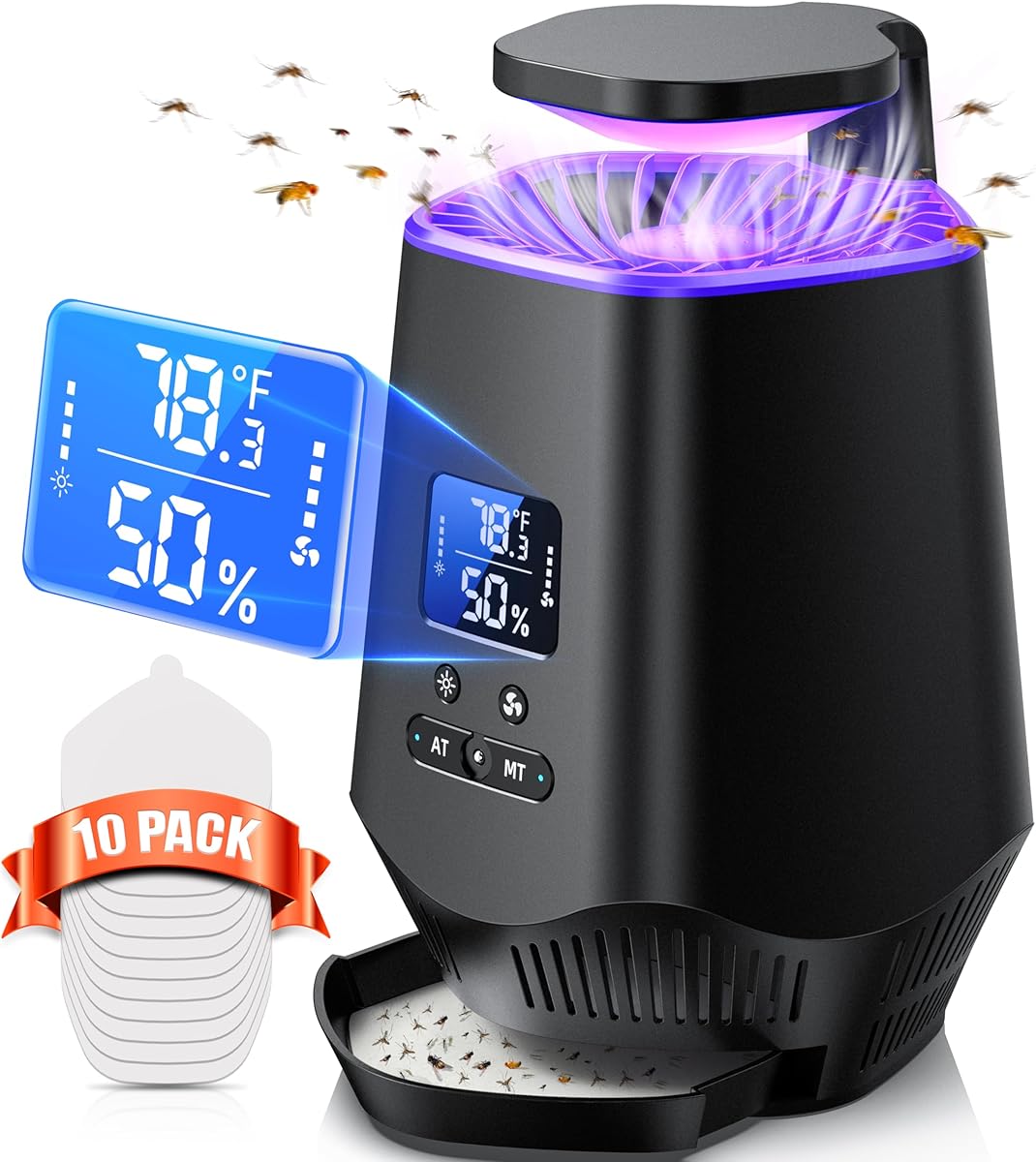
This specific fruit fly trap combines traditional sticky board technology with smart environmental monitoring, featuring temperature and humidity sensors. Buyers should understand that this dual-function approach targets both the insects and the conditions that attract them, making it distinct from basic glue traps or standalone zappers. The inclusion of 10 replaceable sticky boards indicates a focus on sustained use rather than single-application solutions.
Key Considerations Before Buying
- The temperature and humidity sensors are designed to help identify breeding conditions, but their practical utility depends on whether you'll actually monitor and act on this data versus just using the trapping function.
- With 10 replacement boards included, consider your infestation level—this supply could last a full season for moderate problems but might need frequent changing during peak fruit fly outbreaks.
- The 'smart' designation refers to the environmental sensors, not automated operation; this isn't a self-emptying or app-connected device like some premium smart home pest products.
What Our Analysts Recommend
Quality indicators for this specific product include sensor accuracy verification in reviews, adhesive strength on the replacement boards, and durability of the housing unit. Since it's marketed as both a trap and environmental monitor, check whether reviewers actually found the sensor data helpful for prevention or if they primarily used it as a conventional trap.
Traps Market Context
Market Overview
The indoor fly trap market has expanded beyond basic vinegar traps to include UV light zappers, smart sensors, and combination units like this one. Consumers now face choices between passive traps, active zappers, and these hybrid models that offer both trapping and environmental monitoring.
Common Issues
Common problems in this category include weak adhesives that fail to hold larger gnats, sensors that provide data without actionable insights, and replacement part availability issues. Many 'smart' traps struggle with balancing technological features against core trapping effectiveness.
Quality Indicators
For sensor-equipped traps specifically, quality indicators include consistent sensor readings, clear data presentation, and actual correlation between sensor data and pest activity. The best units integrate monitoring with trapping recommendations rather than providing disconnected environmental data.
Review Authenticity Insights
Grade B Interpretation
A Grade B authenticity rating with 15% estimated fake reviews suggests generally reliable feedback but warrants careful review reading. The adjusted rating of 4.60/5 (down from a perfect 5.00) indicates some review inflation but still reflects strong genuine satisfaction.
Trust Recommendation
Focus on reviews that discuss specific experiences with the sensors' accuracy and the sticky boards' replacement process, as these are unique features that genuine users would comment on. Be skeptical of reviews that only praise generically without mentioning these distinctive elements.
Tips for Reading Reviews
For this sensor-equipped trap, prioritize reviews that mention actual temperature/humidity readings, board replacement frequency, and whether the environmental data helped them address root causes. Look for detailed accounts of placement strategies and multi-week performance, not just initial results.
Expert Perspective
This product represents an interesting mid-tier option in the smart pest control space, combining basic environmental monitoring with proven sticky trap technology. The high adjusted rating (4.60/5) from authentic reviews suggests it performs well on core trapping functions, though the sensor utility appears more supplementary. The 10-board supply provides good value for ongoing maintenance, but the 'smart' features seem geared toward prevention-minded users rather than those seeking fully automated solutions.
Purchase Considerations
Consider whether you'll actually use the environmental data to adjust your home's conditions or if you're primarily seeking an effective physical trap. The sensor function adds complexity and potential points of failure, so weigh this against simpler, proven trapping methods if prevention isn't your priority.
Comparing Alternatives
Shoppers should compare this hybrid approach against dedicated sticky traps for pure trapping efficiency and against full smart home systems for comprehensive pest monitoring.