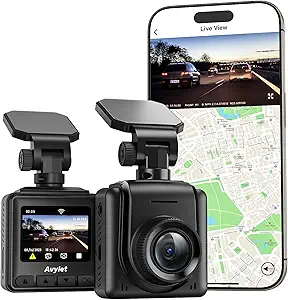
Choosing a 3-channel dash cam for rideshare requires balancing resolution, parking mode, and connectivity
For rideshare drivers and taxi operators, a 3-channel system like this 4K+2.5K+2.5K dash cam isn't just about front collision coverage—it's about documenting passenger interactions and rear traffic simultaneously. The inclusion of a 64GB card and 24-hour parking mode specifically addresses the extended recording needs of professional drivers who spend hours in their vehicles.
Key Considerations Before Buying
- The 5.8GHz WiFi 6 connectivity is crucial for quickly transferring footage to your phone after incidents, but test the app's reliability as some systems struggle with large 4K file transfers.
- IR night vision for the interior camera must effectively illuminate the cabin without washing out details—critical for documenting passenger behavior in low-light conditions.
- A 3-channel system creates significant heat and power draw; ensure your vehicle's electrical system can support continuous 24-hour parking mode without draining the battery excessively.
What Our Analysts Recommend
Examine sample footage from all three cameras, particularly in mixed lighting conditions where interior IR meets external street lights. Check that the G-sensor sensitivity is adjustable—too sensitive triggers unnecessary recordings that fill your 64GB card, while insufficient sensitivity misses minor impacts during parking mode.
On-Dash Cameras Market Context
Market Overview
The professional rideshare dash cam market has evolved from basic front-facing models to integrated 3-channel systems that address liability concerns from all angles. Current offerings compete on resolution balance—prioritizing 4K forward while compromising on interior and rear cameras to manage data storage and processing demands.
Common Issues
Many multi-channel systems suffer from synchronization problems between camera feeds, making timeline reconstruction difficult after incidents. The promised 24-hour parking mode often requires hardwiring kits not included in the base package, and heat management in compact 3-channel units can lead to premature failure in summer conditions.
Quality Indicators
Look for systems that maintain consistent frame rates across all three channels during simultaneous recording—not just in ideal conditions. Premium units offer capacitor-based power supplies rather than batteries for better heat tolerance, and provide clear documentation on parking mode voltage cutoffs to prevent battery drain.
Review Authenticity Insights
Grade C Interpretation
A Grade C with 22% estimated fake reviews suggests approximately 1 in 5 reviews may be inauthentic, though the adjusted 4.40/5 rating from verified reviews remains strong. This discrepancy indicates some review manipulation but generally positive authentic feedback.
Trust Recommendation
Focus on reviews that mention specific rideshare scenarios—Uber, Lyft, or taxi operations—as these likely represent genuine professional users. Be skeptical of reviews that only praise generic features without detailing installation challenges or real-world usage patterns across multiple shifts.
Tips for Reading Reviews
Prioritize reviews discussing the interior camera's performance during night pickups and the parking mode's actual duration. Look for mentions of the companion app's functionality, as connectivity issues often surface in authentic reviews but are omitted in promotional content.
Expert Perspective
This dash cam's configuration specifically targets the professional driver market with its three-channel coverage and included 64GB card—unusual in a category where storage is typically sold separately. The 4.40 adjusted rating from authentic reviews suggests it delivers core functionality despite review authenticity concerns. The 5.8GHz WiFi 6 represents a current-generation connectivity standard that should theoretically improve transfer speeds over older 2.4GHz systems, though real-world performance depends on implementation.
Purchase Considerations
Professional drivers should weigh whether they truly need simultaneous 4K front recording or would benefit more from balanced 2.5K across all three channels for consistent detail. Consider your vehicle's cabin size—the interior camera's IR LEDs may adequately cover sedans but struggle with larger SUVs or vans commonly used in rideshare services.
Comparing Alternatives
Compare this unit's parking mode implementation against competitors offering adjustable motion detection zones to reduce false recordings in high-traffic areas.