Evaluating Fat Tire E-Bikes: Balancing Power, Range, and Real-World Performance
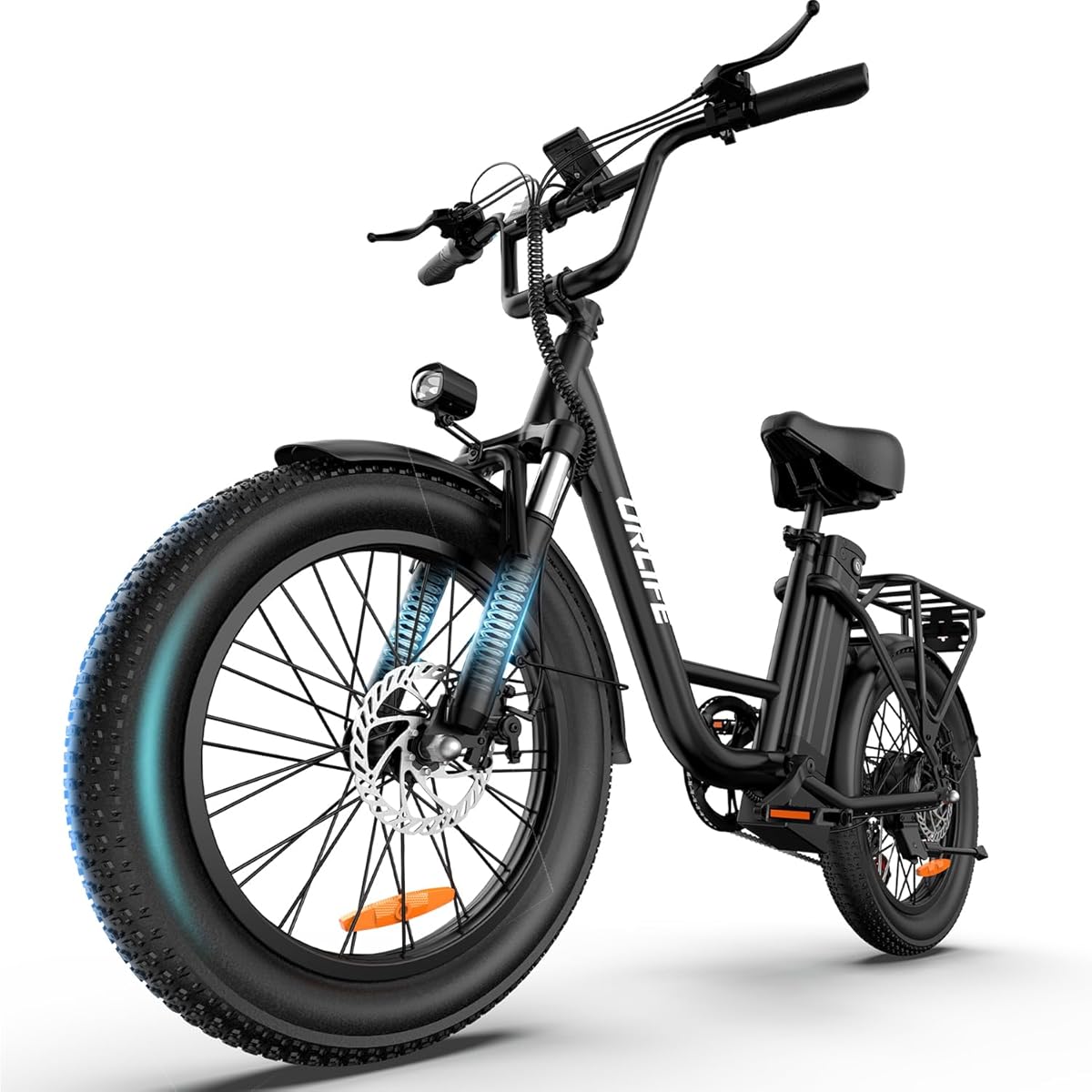
The URLIFE 20"*3.0 Fat Tire Electric Bike represents a specific class of e-bikes prioritizing off-road capability and high-speed commuting. With its 48V system promising 28MPH and 80-mile range, buyers should understand how these specifications translate to actual use, particularly given the 3.0-inch fat tires that affect both comfort and efficiency. This bike's adjustable seat and 7-speed gearing suggest versatility for different riders, but these features require careful evaluation against real-world performance claims.
Key Considerations Before Buying
- The claimed 80-mile range depends heavily on rider weight, terrain, assist level usage, and the 48V battery's actual capacity in watt-hours—real-world range for a bike with power-hungry fat tires is typically 30-50% less than maximum claims.
- A 28MPH top speed places this in Class 3 e-bike territory, which has specific legal implications in many states regarding where it can be ridden and helmet requirements for adult riders.
- The 7-speed drivetrain combined with pedal assist means you'll need to assess gear range for steep hills versus the motor's power band, as some e-bikes with sufficient motor torque make multiple gears less critical.
What Our Analysts Recommend
Quality indicators for fat tire e-bikes include robust spoke count on the wheels (fat tires put more stress on wheels), waterproofing ratings for electrical components, and the type of suspension fork (air vs. coil spring). Pay particular attention to reviews mentioning torque sensor versus cadence sensor pedal assist systems, as this dramatically affects the riding experience and battery efficiency.
Electric Bicycles Market Context
Market Overview
The fat tire electric bike market has expanded beyond pure beach cruisers to include commuter and trail-capable models like this URLIFE, creating a hybrid category. Consumers face a wide price-performance spectrum where brands like URLIFE compete by offering high claimed specifications at competitive price points, often through direct-to-consumer channels.
Common Issues
Common problems in this segment include overstated range claims, premature battery degradation with improper charging systems, and mechanical issues with the extra stress placed on frames and wheels by heavy fat tires at higher speeds. Assembly quality and post-purchase support vary significantly between brands.
Quality Indicators
Look for UL-certified batteries, brand-name components (Shimano, Tektro, etc.), torque sensors rather than basic cadence sensors, and detailed specifications about motor wattage (continuous vs. peak). Quality fat tire e-bikes will specify the motor's torque rating in Newton-meters, not just voltage.
Review Authenticity Insights
Grade B Interpretation
A Grade B authenticity rating with 15% estimated fake reviews suggests mostly reliable feedback but warrants cautious reading. For this URLIFE bike, it means approximately 4 of the 28 reviews may be artificially positive, potentially inflating the 4.44 average rating toward the manufacturer's favor.
Trust Recommendation
Focus on the verified purchase reviews discussing specific experiences with the 80-mile range claim, the suspension performance on actual terrain, and long-term reliability over several months. The adjusted 4.10 rating excluding suspicious reviews is a more realistic performance indicator for this fat tire e-bike.
Tips for Reading Reviews
Prioritize reviews that mention actual range tests, hill climbing capability with the 48V motor, and assembly experiences. Be skeptical of reviews using identical marketing language ('game-changer,' 'best ever') without substantive details about the 7-speed shifting performance or adjustable seat mechanics.
Expert Perspective
The URLIFE fat tire e-bike presents a compelling specification sheet that aligns with current market demands for high-speed, long-range capability. However, the 4.10 adjusted rating from authentic reviews suggests real-world performance may not fully match marketing claims, particularly regarding the 80-mile range with energy-intensive fat tires. The inclusion of both suspension and 7-speed gearing indicates a design attempting to balance comfort with mechanical efficiency, though these systems must be well-integrated to justify their complexity. The bike's positioning for both adults and teens via adjustable seating requires scrutiny of frame geometry to ensure proper fit across that range.
Purchase Considerations
Consider whether you truly need fat tires' off-road capability or if they'll primarily add rolling resistance and weight to your commute. Evaluate the 28MPH capability against local e-bike regulations, as many jurisdictions restrict throttle-assisted speeds to 20MPH. Assess your willingness to perform basic maintenance on the mechanical drivetrain and suspension components, which require more attention than hub-motor-only e-bikes.
Comparing Alternatives
Compare this model's specifications against similar fat tire e-bikes from Rad Power Bikes, Himiway, and Juiced Bikes to contextualize its value proposition and component quality.