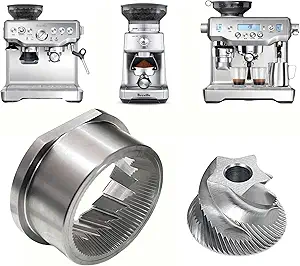
Choosing a Conical Burr Grinder: Precision, Consistency, and Your Daily Ritual
The Aromaster's 48 grind settings and 40-second timer represent the core features home baristas prioritize. Unlike blade grinders that create uneven particles, conical burr systems like this one produce consistent grounds essential for proper extraction. Your choice should balance these technical specifications with your brewing methods and kitchen workflow.
Key Considerations Before Buying
- Grind range versatility matters: The Aromaster's 48 settings theoretically cover French press to espresso, but verify actual particle consistency across the spectrum through detailed reviews.
- Timer precision vs. weight-based grinding: The 40-second adjustable timer is convenient but less accurate than grind-by-weight systems; you'll need to calibrate for your bean density.
- Anti-static and cleaning design: The included brush and anti-static claims address the mess common with electric grinders, but real-world performance varies by humidity and bean oil content.
What Our Analysts Recommend
Quality conical burr grinders minimize heat generation during grinding to preserve volatile coffee aromatics. Examine reviews for mentions of grind uniformity at your preferred setting (e.g., medium for pour-over) and retention rates—how much ground coffee stays inside after grinding. The stainless steel burrs should be durable but may require seasoning.
Electric Burr Grinders Market Context
Market Overview
The home conical burr grinder market is fiercely competitive, with models ranging from $50 to $500+ targeting different user expertise levels. Features like programmable settings, low retention, and noise reduction are current battlegrounds. The Aromaster's price point and feature set place it in the 'enthusiast beginner' segment.
Common Issues
Users frequently report static causing grounds to cling everywhere, inconsistent particle size at extreme settings (very fine or very coarse), and burrs dulling faster than expected with oily beans. Timer inaccuracies can lead to wasted beans or insufficient doses, especially when switching between roast levels.
Quality Indicators
Look for detailed user reports on grind consistency across multiple batches, not just manufacturer claims. Quality grinders maintain particle uniformity even after months of use. Also, assess noise level descriptions—excessive vibration often indicates poorer build quality affecting burr alignment.
Review Authenticity Insights
Grade B Interpretation
A Grade B with 11% estimated fake reviews suggests generally reliable feedback with some manipulation. The 0.29-point drop from the displayed 4.89 to adjusted 4.60 rating indicates inflated praise exists but doesn't dominate the narrative. This level is typical for competitive kitchen categories.
Trust Recommendation
Focus on reviews that mention specific comparisons (e.g., 'finer than my previous Capresso') or detail calibration processes for the timer. Be skeptical of reviews only praising the beige color or vague 'great product' statements without usage context. The high number of reviews (793) provides substantial authentic data to analyze.
Tips for Reading Reviews
Search for reviews discussing the actual number of usable grind settings—some 48-setting grinders have noticeable quality drops at extremes. Pay special attention to comments about cleaning the stainless steel housing and burr assembly, as this reveals long-term maintenance reality. Look for mentions of using the grinder for 6+ months to assess durability.
Expert Perspective
The Aromaster presents a compelling package with its extensive grind range and anti-static features at a competitive price point. The high adjusted rating (4.60/5) from authentic reviews indicates genuine satisfaction among most buyers, particularly regarding consistency for drip and pour-over methods. However, the timer-based dosing requires user calibration that may frustrate those seeking precision without a scale. The beige color option is distinctive in a market dominated by black and stainless finishes.
Purchase Considerations
This grinder suits someone transitioning from blade grinding or basic burr models who wants expanded control without professional price tags. Consider your primary brew method: if you mainly drink espresso, verify reviews specifically about fine grind performance. The 40-second timer capacity (typically 25-35g of beans) works for most personal brewing but not large batches.
Comparing Alternatives
Compare the Aromaster's 48-setting range against competitors' actual usable settings, and consider whether you value timer convenience over manual grinding control.