Solar-powered ultrasonic repellers: What works for deer, raccoons, and persistent squirrels
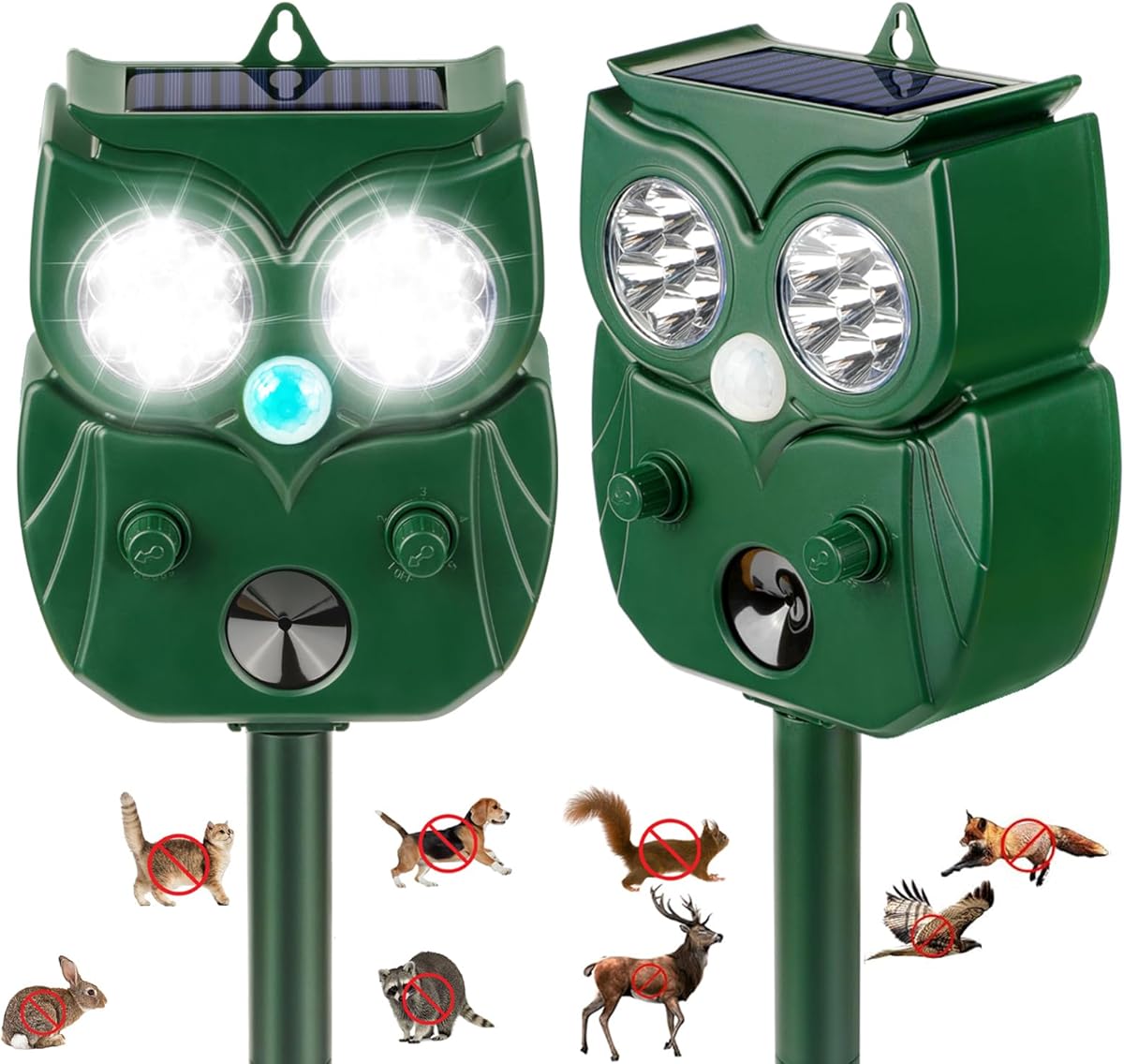
The 2 Pack 2026 Ultrasonic Animal Repellent combines motion-activated ultrasonic frequencies with LED strobes to create a multi-sensory deterrent. Buyers should understand that effectiveness varies significantly by animal species, installation placement, and environmental factors like terrain and competing food sources. This specific model's solar charging capability and dual-unit packaging aim to address coverage gaps common in single-device setups.
Key Considerations Before Buying
- Solar dependency means placement requires direct sunlight for optimal operation, which can conflict with ideal positioning near shaded garden perimeters where animals enter.
- The 2026 model's motion activation range (approximately 30 feet per manufacturer claims) creates coverage cones rather than continuous barriers, requiring strategic overlapping placement for the two units.
- Different animals respond differently to ultrasonic frequencies—deer may be startled initially but can habituate, while rabbits and squirrels typically show stronger avoidance responses to the high-pitched sounds.
What Our Analysts Recommend
Quality indicators include waterproof ratings (IP65 or higher for all-weather durability), adjustable frequency settings for different pests, and robust solar panels that charge efficiently in partial shade. The 2026 model's inclusion of both ultrasonic and visual deterrents (LED flashes) represents a tier above basic sonic-only devices, though the strobe effectiveness diminishes in daylight hours.
Ultrasonic Repellers Market Context
Market Overview
The ultrasonic animal repeller market has shifted toward solar-powered, motion-activated models that conserve battery while responding to actual pest presence. Current products increasingly combine multiple deterrent methods—typically sound, light, and sometimes scent—acknowledging that single-modality devices have limited effectiveness against adaptable wildlife. Price points now cluster around $40-60 for dual-unit kits with solar charging.
Common Issues
Consumers frequently report inconsistent results due to improper placement, animal habituation to consistent ultrasonic tones, and reduced effectiveness in windy or rainy conditions that affect motion sensor accuracy. Solar models sometimes fail to maintain charge during consecutive cloudy days, reverting to limited nighttime operation just when nocturnal pests like raccoons are most active.
Quality Indicators
Superior units feature adjustable sensitivity to reduce false triggers from vegetation, multiple frequency patterns to prevent animal adaptation, and sufficient decibel output (100dB+) to overcome ambient garden noise. The most effective installations use complementary deterrents—like these devices' LED flashes—to target animals with poor ultrasonic hearing like skunks and opossums.
Review Authenticity Insights
Grade B Interpretation
A Grade B authenticity rating with 15% estimated fake reviews indicates generally reliable feedback with some inflated positive reviews. The 4.20 adjusted rating (down from 4.56) suggests genuine satisfaction sits between 'good' and 'very good' rather than exceptional. Verified purchase status for all reviews strengthens credibility but doesn't eliminate incentivized reviews.
Trust Recommendation
Focus on reviews discussing specific animal behaviors (e.g., 'deer avoided my hostas for 3 weeks then returned') rather than general praise. Given the 15% fake rate, be skeptical of reviews claiming 100% effectiveness across all listed animals—legitimate feedback typically notes variable results by species and situation.
Tips for Reading Reviews
Prioritize reviews detailing installation specifics (height, angle, spacing) and those mentioning long-term use (2+ months) to assess habituation issues. Look for patterns in negative reviews about solar charging in shaded areas or motion sensor range limitations, as these represent consistent performance variables for this product type.
Expert Perspective
The 2026 Ultrasonic Repellent's dual-unit approach addresses a fundamental coverage limitation of single devices, while solar operation eliminates battery replacement hassles—a common complaint in earlier models. The 4.20 adjusted rating from verified purchasers suggests reliable performance for the price point, though not revolutionary effectiveness. The combination of ultrasonic and visual deterrents represents current best practice for multi-species targeting, particularly for diurnal animals like squirrels and rabbits that respond to flashing lights.
Purchase Considerations
Weigh your specific pest mix—these devices show strongest results against smaller mammals (rabbits, squirrels) and variable effectiveness against deer depending on local food pressure. Consider your yard's sunlight patterns, as shaded installation points will compromise solar charging. The two-unit pack works best for medium-sized yards (¼ to ½ acre) with defined perimeter zones rather than large, open properties.
Comparing Alternatives
Shoppers should compare coverage patterns, solar panel wattage, and frequency adjustment options against similar-priced competitors like the Vicinity Solar Repeller or Hoont Motion-Activated units.