Choosing a 130L beverage fridge: Capacity, cooling performance, and noise considerations
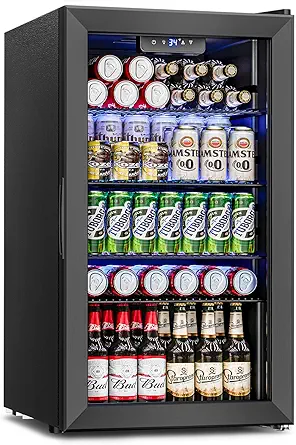
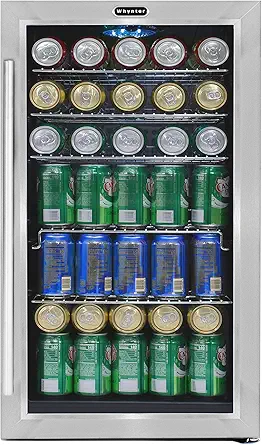
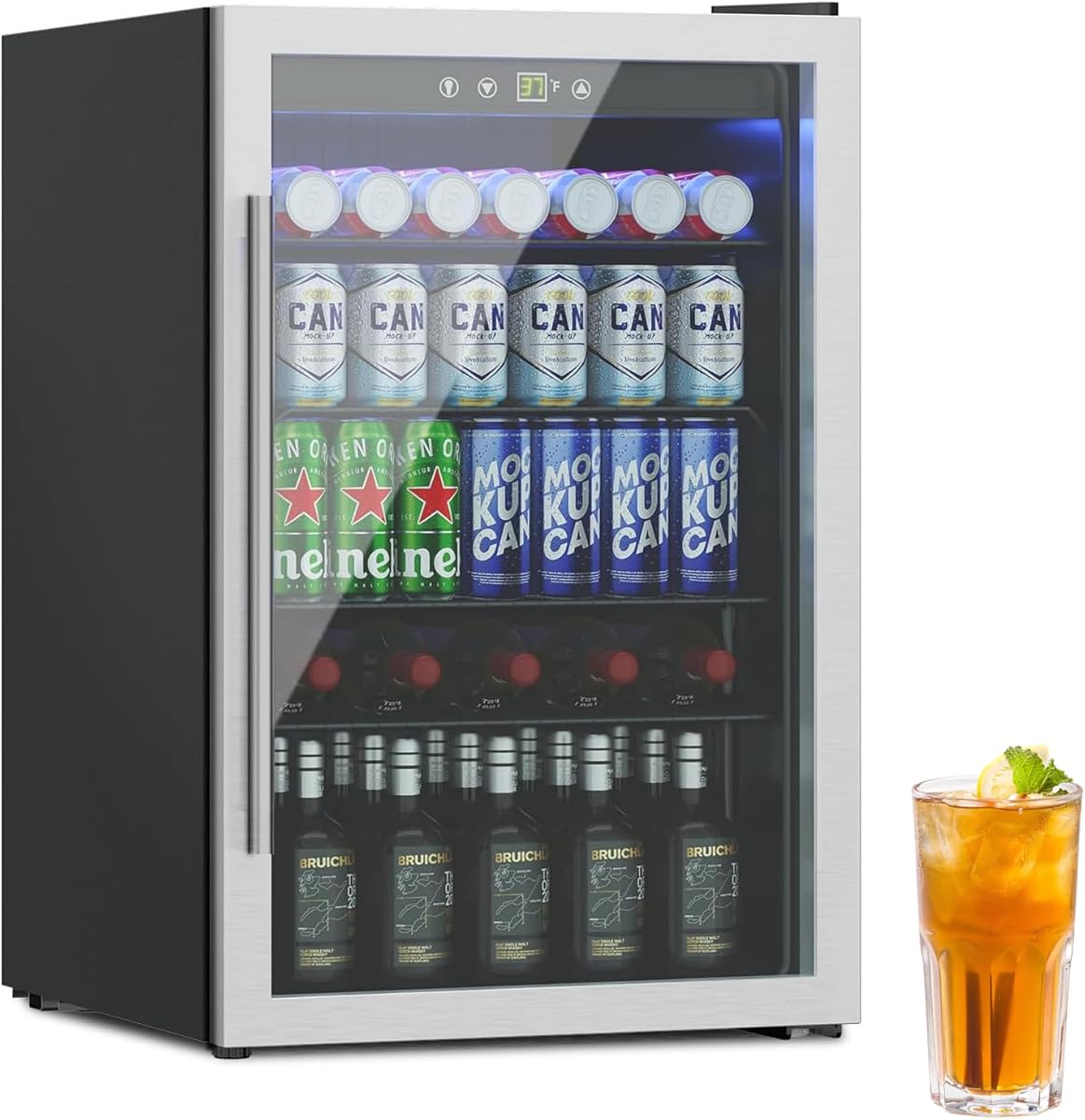
When evaluating this specific 130L beverage refrigerator designed to hold 145 cans, focus on how its adjustable shelving accommodates your beverage mix. The LED display and silver finish suggest modern functionality, but real-world performance depends on compressor reliability and temperature consistency across all zones.
Key Considerations Before Buying
- The 145-can capacity is theoretical—actual capacity depends on your mix of cans, bottles, and wine; adjustable shelves help but measure your tallest bottles against the 14.5-inch shelf clearance.
- Compressor-based cooling (implied by the temperature range) offers better cooling than thermoelectric units but generates more noise—consider placement in living spaces versus basements.
- The single-zone cooling means all beverages share the same temperature; you cannot separately chill wine at 55°F and soda at 38°F simultaneously.
What Our Analysts Recommend
Quality beverage refrigerators maintain consistent temperatures within ±2°F and have sturdy, non-warping wire shelves. Check for adequate ventilation space requirements—this unit likely needs 2-3 inches clearance on sides and back—and listen for compressor hum versus rattling noises in reviews.
Beverage Refrigerators Market Context
Market Overview
The 100-150L beverage refrigerator segment is competitive, with units typically priced $200-$400; this model's 4.25 Amazon rating places it mid-pack, suggesting decent but not exceptional performance. Most units in this range use similar R600a refrigerant compressors with digital thermostats.
Common Issues
Temperature fluctuations, shelf sagging under heavy bottles, and condensation buildup are frequent complaints. Compressor longevity varies significantly—some units develop cooling problems within 12-18 months, while others last 5+ years.
Quality Indicators
Look for reviews mentioning consistent temperature maintenance over weeks, sturdy shelf construction that doesn't bend under 750ml wine bottles, and compressors that cycle quietly without vibrating. Units with thicker insulation typically perform better in warmer rooms.
Review Authenticity Insights
Grade B Interpretation
A Grade B authenticity rating with 10% estimated fake reviews indicates generally reliable feedback, though some positive reviews may be incentivized. The adjusted 4.00 rating (down from 4.25) suggests removing suspicious reviews reveals slightly more nuanced performance.
Trust Recommendation
Prioritize reviews discussing specific use cases like 'keeps my craft beers at 40°F for 3 months' over vague praise. The verified purchase status adds credibility, but focus on mid-range (3-4 star) reviews that detail both pros and cons.
Tips for Reading Reviews
Search for mentions of 'compressor noise level,' 'actual can capacity,' and 'temperature stability'—these specific performance aspects reveal more than general satisfaction comments. Note how long reviewers have owned the unit; problems often emerge after 6+ months.
Expert Perspective
This 130L beverage refrigerator represents a mid-tier option with adequate capacity for most home bars or office settings. The 4.00 adjusted rating suggests it performs competently but may have consistency issues—some users report excellent cooling while others experience temperature drift. The adjustable shelving is a legitimate advantage for mixed beverage collections, but the single cooling zone limits versatility for serious wine collectors.
Purchase Considerations
Consider this unit if you need to chill 80-120 beverage containers (not the maximum 145) and can place it in a location where compressor noise (estimated 42-48 dB) won't disturb conversations. It's less suitable for temperature-sensitive wines or environments where consistent 37°F cooling is critical.
Comparing Alternatives
Compare this unit's dimensions (likely 20×20×34 inches) against similar capacity models from Koolatron or Antarctic Star, noting differences in warranty terms and energy consumption (estimated 150-200 kWh/year).