80-Pint Dehumidifiers: Capacity, Drainage, and Energy Efficiency Explained
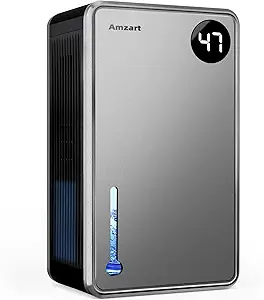
An 80-pint dehumidifier like this 5,500 sq. ft. model is a serious moisture-management tool, not a small-room gadget. Before buying, you need to confirm it matches your space, drainage setup, and climate demands.
Key Considerations Before Buying
- Pint capacity is rated at standard AHAM conditions (80°F, 60% RH), so in a cool basement the real-world extraction drops significantly—an 80-pint unit may behave more like a 50–60 pint machine at 60°F. Match the rating to your actual room temperature, not just square footage.
- The included drain hose enables continuous gravity drainage, which is essential for unattended basement use. Verify the hose length and that your floor drain or sump is lower than the unit's outlet, or you'll still be emptying the bucket.
- ENERGY STAR certification means the unit meets EPA efficiency standards, typically drawing around 7–8 amps. Over a humid season, that efficiency gap can save meaningful electricity compared to non-certified 80-pint models.
What Our Analysts Recommend
Look for a built-in humidistat with auto-restart, because power interruptions are common in basements and you don't want to reset it manually. Check the low-temperature operating range—quality units continue working down to 41°F with auto-defrost, while cheap models ice up and stop. Also confirm the bucket size and whether it has a front-access design, since a 16-pint tank gets heavy fast.
Dehumidifiers Market Context
Market Overview
The dehumidifier market has shifted toward higher-capacity units as homeowners address finished basements and crawl spaces, with 70–80 pint models now the sweet spot for whole-floor coverage. ENERGY STAR certification has become a key differentiator as electricity costs rise, and drain-hose compatibility is standard on most mid-to-premium units.
Common Issues
The most frequent complaints in this category are premature compressor failure, noisy operation, and refrigerant leaks after one or two seasons—issues that often surface just outside warranty. Another common problem is misleading capacity ratings: a unit rated for 5,500 sq. ft. may struggle in a cold, damp basement because pint ratings assume warm, humid air.
Quality Indicators
A quality dehumidifier will list a specific operating temperature range, include auto-defrost, and specify the compressor brand or type. Look for units with a continuous-drain option, washable filters, and a warranty of at least one year on labor and five years on the sealed system. Customer reviews that mention multi-season durability are a stronger signal than initial performance praise.
Review Authenticity Insights
Grade B Interpretation
A Grade B authenticity rating with an estimated 15% fake review rate means the review pool is mostly genuine but not pristine. The 4.89 rating is likely slightly inflated by suspicious reviews, which is why the adjusted 4.50 rating is a more realistic indicator of customer satisfaction.
Trust Recommendation
Trust the adjusted 4.50 rating over the headline 4.89, and focus on reviews that describe long-term use (six months or more) rather than unboxing impressions. Verified purchase status helps, but it doesn't guarantee authenticity—look for reviews with specific details about installation, drainage setup, and performance in different seasons.
Tips for Reading Reviews
When reading reviews for this dehumidifier, prioritize those that mention the actual square footage and basement conditions, as these are harder to fake. Be skeptical of reviews that only praise the product without mentioning any drawbacks, and cross-check negative reviews for recurring issues like noise or compressor failure.
Expert Perspective
This 80-pint dehumidifier appears to be a solid performer for large basements, backed by a large volume of mostly authentic reviews. The adjusted 4.50 rating suggests that while most customers are satisfied, a meaningful minority encounter issues—likely the same compressor or noise complaints common to the category. The ENERGY STAR certification and included drain hose are practical advantages that reduce operating costs and daily maintenance.
Purchase Considerations
Before buying, measure your basement's actual temperature and humidity levels, because an 80-pint unit may be overkill in a warm, dry climate or underpowered in a cold, damp one. Also confirm that you have a suitable gravity drain location, since relying on the bucket in a 5,500 sq. ft. space means frequent emptying. Finally, check the warranty terms and consider a retailer with a generous return policy given the 15% fake review rate.
Comparing Alternatives
Shoppers should compare this model with other 70–80 pint ENERGY STAR dehumidifiers from established brands, paying attention to low-temperature performance and warranty length.