Find the Perfect PS5 Controller: Hall Effect Triggers & Battery Life
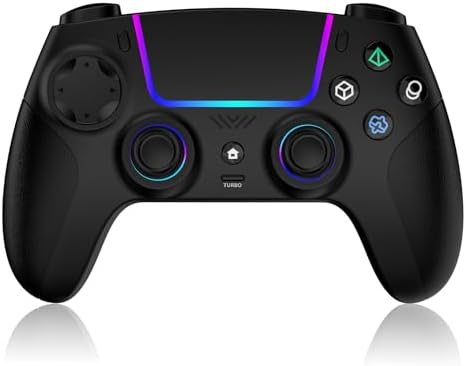
When shopping for a third-party wireless controller compatible with PS5, Android, iOS, Mac, and Steam Deck, you're looking for a versatile gamepad that balances performance, features, and value. The VidPPluing controller stands out with its Hall Effect triggers, LED lighting, turbo/macro functions, dual vibration, and a hefty 1500 mAh battery, making it a strong contender for multi-platform gamers.
Key Considerations Before Buying
- Hall Effect triggers use magnetic sensors instead of physical contact, offering greater precision and durability—ideal for racing and shooter games where analog input matters.
- Battery capacity is a major factor: a 1500 mAh battery (like this model) can provide 8-12 hours of playtime, but actual life varies with LED use and vibration intensity.
- Compatibility is key—ensure the controller works seamlessly across your devices (PS5, PC, mobile) and check for features like a 3.5mm headset jack for voice chat.
What Our Analysts Recommend
Look for controllers with Hall Effect joysticks and triggers for longevity, customizable buttons (turbo/macro) for competitive play, and strong wireless connectivity. Build quality, ergonomic grip, and low input lag are also critical for a premium gaming experience.
Accessories Market Context
Market Overview
The third-party gaming controller market has exploded with options that rival first-party offerings, especially for cross-platform players. Brands now focus on features like Hall Effect sensors, programmable buttons, and RGB lighting to differentiate themselves, while maintaining competitive pricing.
Common Issues
Common concerns include inconsistent build quality, drift-prone analog sticks (unless Hall Effect is used), and poor battery life on cheaper models. Wireless interference or compatibility hiccups with certain games or systems can also frustrate users.
Quality Indicators
High-quality controllers feature Hall Effect triggers and joysticks, solid wireless range (10+ meters), low latency, and robust software for remapping. Verified purchaser reviews and a low percentage of suspicious feedback (like the 10% seen here) are strong signals of a reliable product.
Review Authenticity Insights
Grade A Interpretation
The Grade B and 10% estimated fake review percentage indicate that the vast majority of feedback is genuine, but a small portion may be incentivized or unreliable. This is common for popular third-party accessories, so you can trust the overall 4.78 rating but should still read individual reviews critically.
Trust Recommendation
With 90% of reviews likely authentic, you can confidently use the aggregate rating as a guide—especially since nearly all are from verified purchasers. Focus on reviews that mention specific features like Hall Effect trigger performance or battery life to see if they align with your needs.
Tips for Reading Reviews
Look for detailed, balanced reviews that mention both pros (e.g., responsive triggers, long battery) and cons (e.g., LED brightness, button feel). Be wary of overly short, generic praise or repetitive language, which may indicate fake or incentivized content.
Expert Perspective
The VidPPluing wireless controller offers a compelling feature set at a competitive price, with Hall Effect triggers and a 1500 mAh battery addressing two common pain points: durability and playtime. The high rating (4.78) and strong authenticity grade suggest it delivers on its promises for most users, making it a solid choice for multi-platform gamers who want a single controller for PS5, PC, and mobile.
Purchase Considerations
Consider your primary platform—if you mainly play on PS5, ensure this controller supports all native features like adaptive triggers (most third-party models don't). For Steam Deck or mobile gaming, its wide compatibility and macro functions add real value. Weigh the trade-off between price and first-party polish.
Comparing Alternatives
Shoppers should compare this with other Hall Effect controllers like the Gulikit KingKong 2 Pro or 8BitDo Pro 2, which offer similar features but different ergonomics and software ecosystems.