Choosing an Effective Elbow Brace for Nerve Compression and Tendonitis Relief
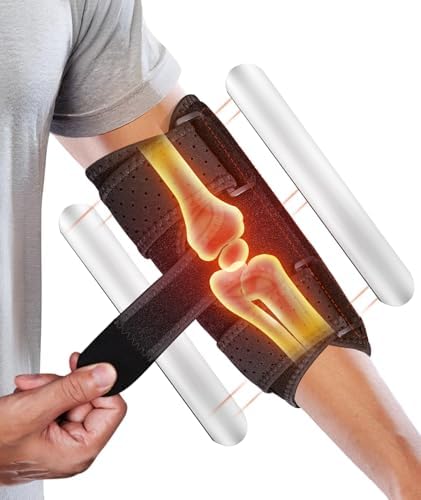
When selecting an elbow brace for cubital tunnel syndrome or ulnar nerve issues, you need a device that provides targeted compression without restricting circulation. This specific product combines an adjustable night splint design with breathable materials, addressing the dual needs of daytime support and nighttime positioning. Unlike generic elbow sleeves, it features strategic padding around the ulnar groove to protect the vulnerable nerve during sleep.
Key Considerations Before Buying
- For ulnar nerve issues, ensure the brace has a contoured design that protects the 'funny bone' area without creating pressure points that could worsen nerve compression.
- Look for adjustable straps that allow you to customize compression levels throughout your recovery process, as tendonitis and nerve pain require different pressure approaches.
- Consider whether you need primarily nighttime positioning (for cubital tunnel) or daytime stabilization (for tennis elbow), as this product attempts to serve both functions with its versatile design.
What Our Analysts Recommend
Quality elbow braces for nerve support should feature medical-grade foam padding around the ulnar groove and adjustable straps that don't slip during movement. The materials should maintain breathability during extended wear, especially for overnight use when temperature regulation matters. Check that the hinge or stabilizer allows for functional range of motion while preventing hyperextension that aggravates nerve compression.
Elbow Braces Market Context
Market Overview
The elbow brace market has expanded beyond basic compression sleeves to include specialized devices for specific conditions like cubital tunnel syndrome and ulnar neuritis. Products now increasingly target nighttime relief, recognizing that elbow flexion during sleep exacerbates nerve symptoms. Current offerings range from rigid immobilization splints to flexible supports that allow daily activity.
Common Issues
Many elbow braces fail to properly protect the ulnar nerve while providing adequate stabilization for lateral epicondylitis (tennis elbow). Poorly positioned straps can create new pressure points, and non-breathable materials cause discomfort during extended wear. Some products marketed for multiple conditions compromise effectiveness by trying to be too versatile.
Quality Indicators
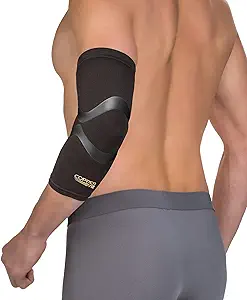
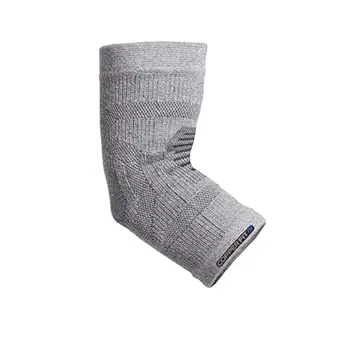
Superior elbow braces feature anatomical shaping that contours to the elbow's natural bend, not just tubular sleeves. Look for reinforced stitching at stress points and medical-grade closures that maintain tension without digging in. Quality products typically specify their intended use—whether for nerve compression, tendonitis, or general stabilization—rather than claiming to treat everything equally well.
Review Authenticity Insights
Grade B Interpretation
A Grade B authenticity rating with 15% estimated fake reviews indicates generally reliable feedback with some promotional content mixed in. The 4.30 adjusted rating (down from 4.67) suggests genuine satisfaction sits between 'very good' and 'excellent' rather than perfect. The verified purchase status of all reviews adds significant credibility to the remaining 85% authentic feedback.
Trust Recommendation
Focus on reviews that discuss specific conditions like cubital tunnel flare-ups or tennis elbow recovery timelines, as these tend to be more authentic than vague praise. Pay particular attention to comments about long-term durability and adjustability, as these practical details rarely appear in fabricated reviews. The natural rating distribution suggests real users experience varied results based on their specific anatomy and condition severity.
Tips for Reading Reviews
Look for reviews that mention wearing the brace during specific activities (sleep, typing, sports) and how it performed. Authentic reviews often compare this brace to previous solutions they've tried, while suspicious ones tend toward generic superlatives. Pay attention to comments about sizing accuracy and strap functionality, as these practical concerns indicate genuine user experience.
Expert Perspective
This product's high adjusted rating of 4.30 suggests it effectively addresses a challenging niche: providing both ulnar nerve protection and tennis elbow support in one device. The design appears to balance the competing needs of compression for tendonitis and pressure relief for nerve issues, though some users may find it compromises on specialized features. The strong authentic review percentage indicates real users experience meaningful relief, particularly for nighttime nerve symptoms and daytime tendon stabilization. The product's attempt to serve multiple conditions likely explains the slight rating reduction from the raw average, as some users with specific needs may find it less optimal than specialized braces.
Purchase Considerations
Consider whether your primary need is preventing elbow flexion during sleep (for cubital tunnel) or providing lateral support during activity (for tennis elbow), as this brace attempts both but may excel more at one function. Evaluate your sensitivity to materials, as overnight wear requires comfort that doesn't disrupt sleep. The adjustable design suggests it may work well for those whose symptoms fluctuate or who are progressing through recovery stages.
Comparing Alternatives
Shoppers with severe cubital tunnel may want to compare dedicated night splints, while those with pure tennis elbow might consider more rigid counterforce braces.