Shopping for a Budget Android Tablet? Here's What to Know First
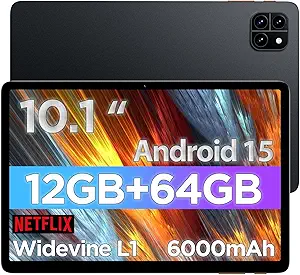
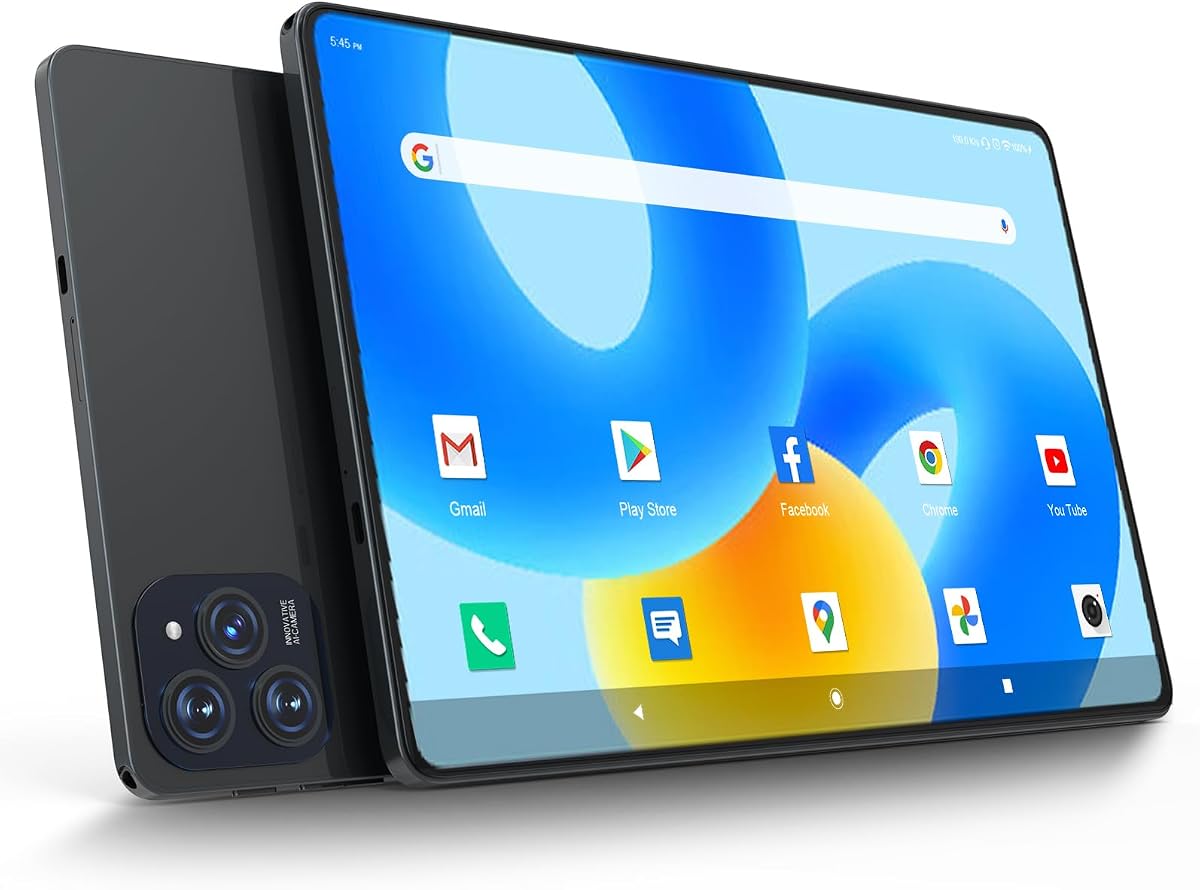
The 2026 Latest 11 Inch Tablet packs impressive-sounding specs like 16GB RAM, a 7000mAh battery, and Android 15 into a budget-friendly package. But as with any value tablet, the real question is whether those numbers translate into smooth everyday performance. Here's what to evaluate before you buy.
Key Considerations Before Buying
- The 16GB RAM figure may include virtual memory expansion, which uses storage as temporary RAM. Real-world multitasking performance depends on the physical RAM, so check whether the listing specifies how much is built-in versus extended.
- The 128GB of storage is modest for an Android 15 device, especially once system files are accounted for. The 1TB microSD expansion is a genuine advantage here—budget tablets often cap expansion at 512GB or less.
- Budget tablets frequently advertise high-resolution cameras that underperform in practice. The 21MP rear camera may produce acceptable daylight shots, but don't expect flagship-level low-light or video performance.
What Our Analysts Recommend
Look for verified customer reviews that specifically discuss real-world battery life, screen brightness in outdoor conditions, and whether the octa-core processor handles streaming and multitasking without stuttering. A 7000mAh battery is solid for this screen size, but actual endurance varies significantly based on display settings and processor efficiency.
Tablets Market Context
Market Overview
The budget Android tablet market has become crowded with devices that advertise premium specs at lower price points, often from lesser-known brands. Android 15 adoption is still rolling out across price tiers, so finding it on a budget tablet is notable but doesn't guarantee a polished software experience.
Common Issues
Common complaints in this segment include exaggerated RAM claims (counting virtual memory as physical), sluggish performance after several months of use, and inconsistent software update support. Build quality and screen quality also vary widely, with some units suffering from uneven backlighting or dim displays.
Quality Indicators
A trustworthy budget tablet listing will clearly distinguish physical RAM from virtual RAM, provide realistic battery life estimates, and have a meaningful number of reviews from verified purchasers. Brands that respond to customer feedback and offer clear warranty terms are also better bets.
Review Authenticity Insights
Grade B Interpretation
A Grade B authenticity rating means most reviews are genuine, but a notable minority (estimated 15%) show signs of manipulation. This is common for budget electronics, where sellers may use incentivized reviews to boost early ratings. The adjusted rating of 3.90 (down from 4.22) suggests that after filtering suspicious reviews, the tablet is still decent but not exceptional.
Trust Recommendation
Focus on reviews that mention specific use cases, such as reading, streaming, or light gaming, and that include both pros and cons. Be cautious of reviews that are overly brief, use identical phrasing, or heap praise without any criticism. The adjusted rating of 3.90 is a more reliable indicator of typical user satisfaction.
Tips for Reading Reviews
Sort reviews by 'Most Recent' to see how the tablet performs over time, and look for comments about long-term durability and software stability. Pay attention to reviews from users who mention their previous tablet experience—they tend to offer more comparative and useful insights.
Expert Perspective
This tablet offers a compelling spec sheet for the price, with Android 15, a large battery, and generous RAM and storage claims. However, the gap between advertised and actual performance is a common pitfall in this segment, and the adjusted rating of 3.90 suggests buyers should temper expectations. It could be a solid choice for basic tasks like web browsing, video streaming, and reading, but likely won't satisfy demanding users or serious gamers.
Purchase Considerations
Weigh the low price against potential trade-offs in build quality, software support, and real-world speed. If you need a device for light media consumption and occasional productivity, this may suffice. If you rely on your tablet for intensive multitasking or creative work, consider spending more on a established brand with a track record of reliable performance and updates.
Comparing Alternatives
Before buying, compare this tablet with similarly priced models from brands like Samsung, Lenovo, or Amazon, which may offer better software support and build quality even if the specs look less impressive on paper.