
Choosing a Golf Rangefinder: Balancing Slope Technology with Tournament Legality
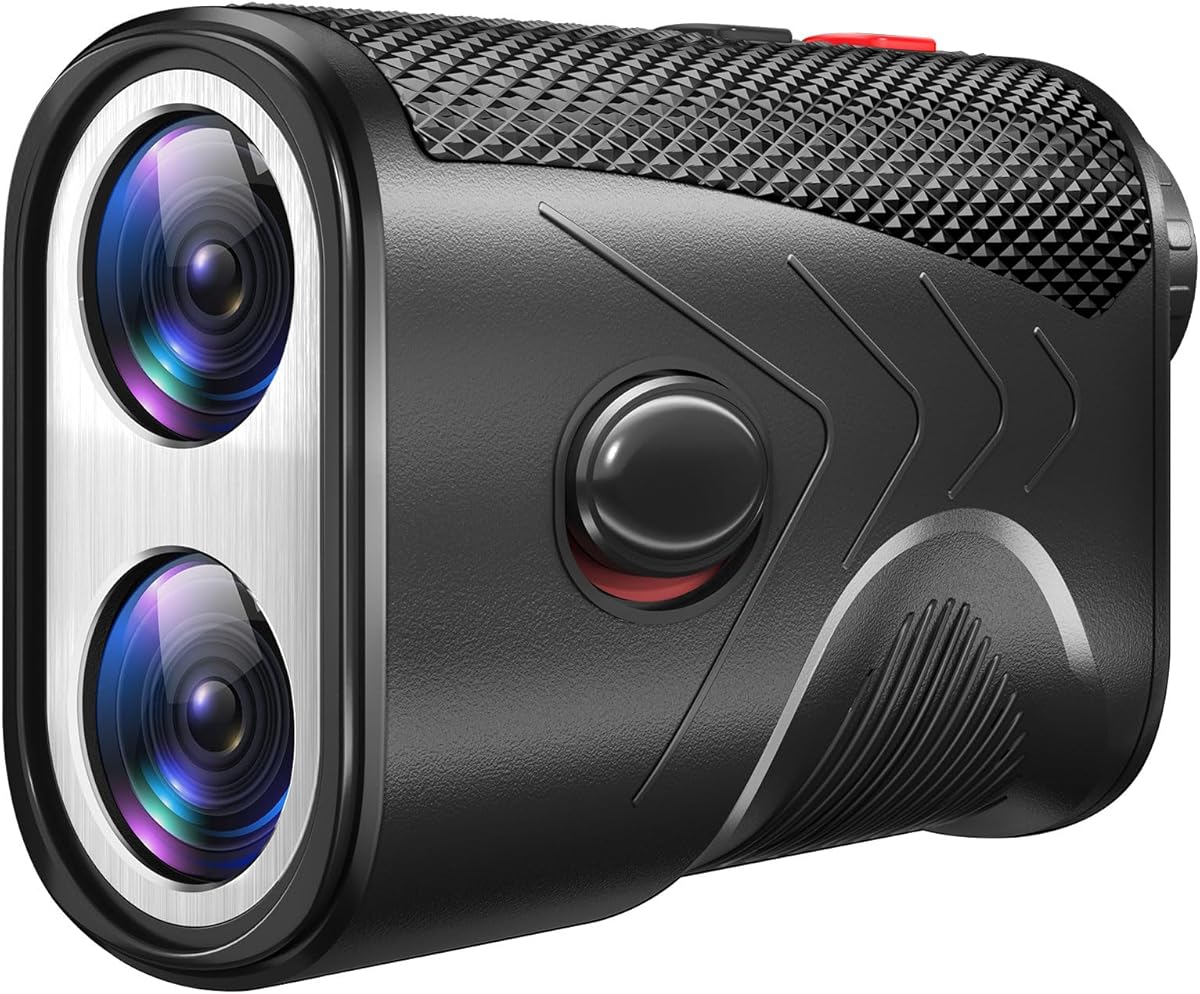
The 1200-yard rangefinder with slope compensation represents a specific segment of golf technology designed for practice and casual play. Buyers should understand that slope-enabled devices like this one measure angle-adjusted distances, which are prohibited in tournament play but valuable for learning true shot distances. This particular model's 7X magnification and 0.5-yard accuracy claim place it in the mid-range performance category for golf rangefinders.
Key Considerations Before Buying
- Slope functionality is this device's primary feature, calculating elevation changes to provide 'play-as' distances, but remember this mode must be disabled for USGA-compliant tournament use.
- The 1200-yard maximum range significantly exceeds typical golf needs but indicates capability for hunting applications, though flag lock at extreme distances may be less reliable than at golf-relevant 250-350 yard ranges.
- Flag Lock technology specifically targets golf pins, but its effectiveness depends on reflectivity and background contrast—look for reviews mentioning performance in various lighting conditions.
What Our Analysts Recommend
Quality indicators for this category include consistent performance on non-reflective targets (like trees or bunker faces), battery life during continuous slope calculations, and clear differentiation between slope and non-slope modes. The 0.5-yard accuracy claim should be validated against known distances on your home course, particularly on uphill/downhill shots where slope calculations matter most.
Rangefinders Market Context
Market Overview
The golf rangefinder market has bifurcated into basic distance-only models and feature-rich devices with slope, vibration confirmation, and multi-target scanning. This 1200-yard model competes in the crowded sub-$200 segment where manufacturers balance magnification quality, slope algorithms, and durability. Recent trends show increased integration with GPS watches, though dedicated laser rangefinders maintain accuracy advantages.
Common Issues
Entry-level rangefinders often struggle with shaky readings in handheld use, inconsistent flag acquisition on cloudy days, and slope calculations that don't match experienced golfers' club selection. Water resistance claims frequently overstate actual protection during rainy rounds, and battery compartments may lack proper sealing. The 15% estimated fake review rate for this product suggests some experiences may be artificially enhanced.
Quality Indicators
Superior rangefinders demonstrate fast acquisition (under 2 seconds to flag), minimal 'jitter' in the viewfinder, and slope calculations that correlate with actual club performance. Look for reviews mentioning specific course conditions—devices that perform well in both bright desert sun and overcast coastal environments typically have better optics and processing.
Review Authenticity Insights
Grade B Interpretation
The Grade B authenticity rating with 15% estimated fake reviews indicates generally reliable feedback but suggests some positive experiences may be exaggerated. The 4.60 adjusted rating (down from perfect 5.00) reveals genuine user experiences average between 'very good' and 'excellent' rather than perfection. This pattern is common in competitive rangefinder categories where manufacturers incentivize early reviews.
Trust Recommendation
Focus on reviews discussing specific performance aspects: how slope calculations changed club selection, flag lock success rates at your typical playing distances, and battery drain during 18-hole rounds. Verified purchase status adds credibility, but prioritize reviews mentioning long-term use (2+ months) over initial impressions, as rangefinder durability issues often emerge after repeated bag storage and temperature changes.
Tips for Reading Reviews
For technical products like rangefinders, seek reviews comparing this device to known brands (Bushnell, Nikon, Callaway) or mentioning calibration against course markers. Reviews discussing both golf and hunting applications provide valuable cross-use insights, while those mentioning tournament preparation should specify whether slope mode was disabled for compliance.
Expert Perspective
This rangefinder's specifications suggest a capable mid-tier device targeting golfers who value slope technology but don't require tournament-legal features at all times. The 7X magnification is standard for the category, while 1200-yard range exceeds golf necessities but indicates capable optics. The 0.5-yard accuracy claim, if validated in real conditions, would match professional-grade devices, though achieving this consistently depends on user stability and target reflectivity. The high authentic review percentage (85%) with specific use cases lends credibility to performance claims.
Purchase Considerations
Weigh whether you'll primarily use slope mode for practice versus needing tournament compliance frequently—devices with easily disabled slope functions provide flexibility. Consider your typical playing conditions: heavily wooded courses require better target separation than open links layouts. The hunting compatibility adds value if you're a dual-sport enthusiast, but specialized hunting rangefinders often prioritize different features like scan modes and camouflage housing.
Comparing Alternatives
Compare this device's slope algorithm transparency, warranty length, and included accessories against similarly priced models from established golf electronics brands.


