
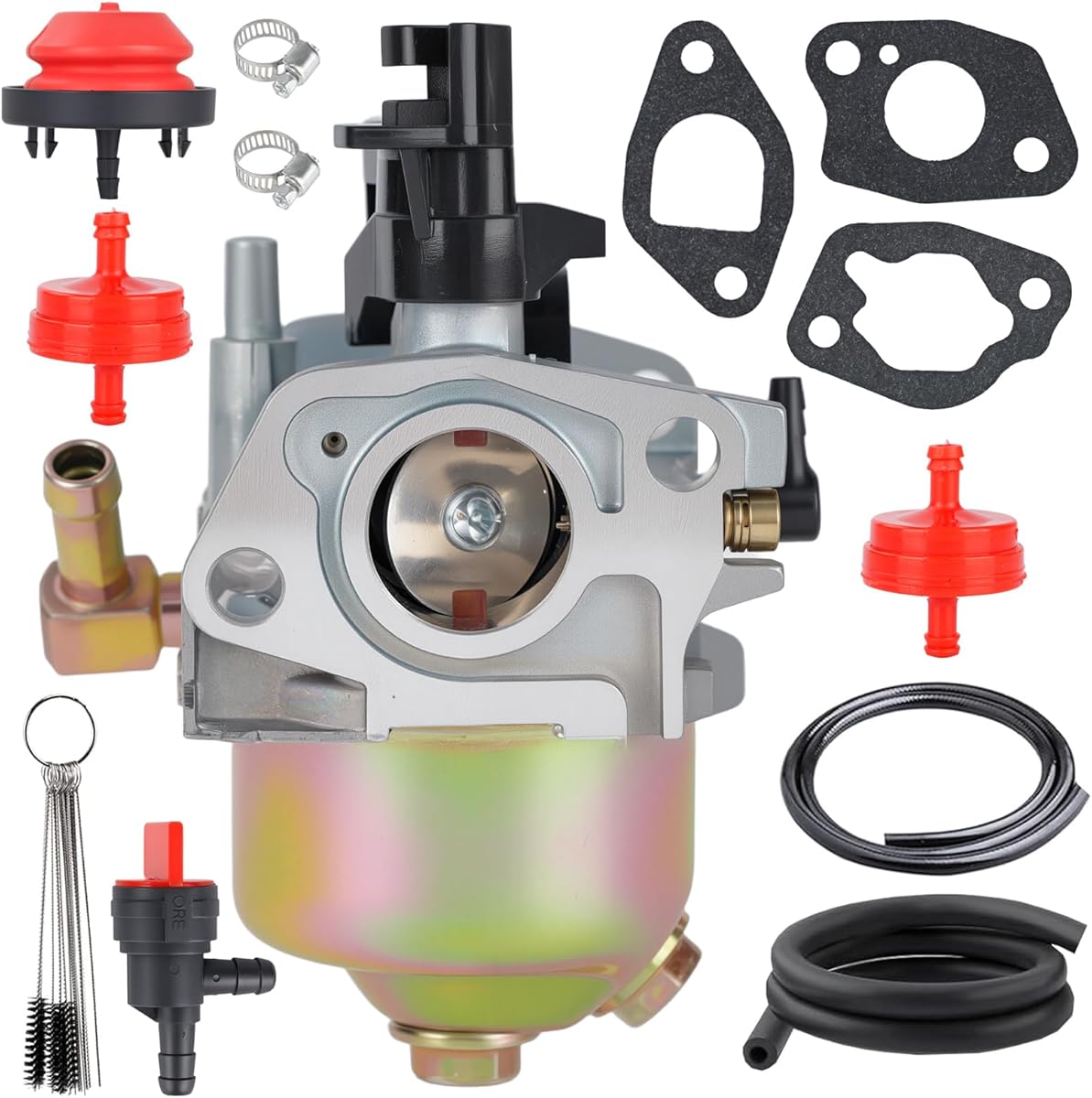
Choosing the Right Carburetor for Your Troy-Bilt or MTD Snow Blower Engine
When replacing the carburetor on your Troy-Bilt Storm 2410, Craftsman SB400, or compatible MTD snow blower, precise fitment and fuel system compatibility are critical. This specific aftermarket carburetor (matching OEM numbers 951-15236 and 751-15236) must interface correctly with the Tecumseh or Briggs & Stratton engine on your 24-inch model to restore proper fuel-air mixture and cold-weather starting.
Key Considerations Before Buying
- Verify your engine's exact model number and the OEM carburetor part number (often stamped on the carb body or in your manual) against this product's compatibility list, as even similar MTD-family snow blowers can have subtle engine variations.
- Assess the condition of your fuel lines, filter, and tank before installation; a new carburetor cannot fix problems caused by contaminated fuel or a compromised fuel delivery system upstream.
- Consider your mechanical skill level; while carburetor replacement is a common DIY repair, it requires basic tools, careful gasket placement, and adjustment of the idle and mixture screws for optimal performance.
What Our Analysts Recommend
A quality replacement carburetor for these snow blowers will have precise casting with clean fuel passages, a durable float bowl gasket, and adjustment screws that turn smoothly. The included hardware kit should have the correct gaskets and linkage springs specific to the vertical-shaft engines used in these models, not generic lawn mower parts.
Snow Blower Replacement Parts Market Context
Market Overview
The aftermarket small engine carburetor market is flooded with inexpensive replicas, primarily from overseas manufacturers, targeting popular OEM parts like the 951-15236. Quality varies significantly between suppliers, even for parts listed as compatible with the same models.
Common Issues
Common failures with these carburetors include clogged pilot jets from stale ethanol-blended fuel, warped or cracked mounting flanges causing vacuum leaks, and worn throttle shafts. Buyers often mistake fuel delivery issues for carburetor failure.
Quality Indicators
Look for sellers that provide clear photos of the actual carburetor (not just OEM diagrams), specify the inclusion of a new fuel solenoid if applicable for your engine, and have reviews mentioning long-term durability over a single season.
Review Authenticity Insights
Grade B Interpretation
A 'Grade B' with an estimated 10% fake review rate suggests the feedback is largely reliable but requires careful reading. For a niche replacement part, this indicates most reviews are from genuine purchasers who have installed the component, though a small portion may be incentivized.
Trust Recommendation
Focus on reviews that mention specific installation details, performance over time, or compare the part directly to the original. The adjusted rating of 4.4/5 is a strong signal for this category, where a perfect score is often suspect.
Tips for Reading Reviews
Prioritize reviews that discuss fitment on your exact model (e.g., 'Storm 2410'), mention the condition of gaskets or hardware, and note whether any modifications were needed. Be skeptical of overly vague praise that doesn't mention the product's application.
Expert Perspective
The high adjusted rating (4.4/5) and strong authenticity grade indicate this is a legitimate and generally well-regarded solution for a common repair on these specific MTD-built snow blowers. The positive feedback likely stems from it solving the precise problem of hard starting or rough running caused by a failed carburetor. In the small engine parts space, such consistent performance feedback for a specific part number is a positive indicator.
Purchase Considerations
Weigh the cost of this aftermarket unit against a genuine OEM carburetor, which may be 3-4 times the price but offers guaranteed fit and finish. For a machine that is several years old, this part represents a cost-effective repair that can extend the blower's life significantly if the engine itself is in good condition.
Comparing Alternatives
Shoppers should compare the included components (gaskets, springs, fuel line) and warranty period with other listings for the same part numbers, as these often differ.


