Choosing a Power Tower: Stability, Adjustability, and 450-Pound Capacity Matter
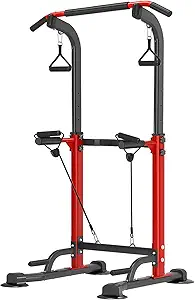
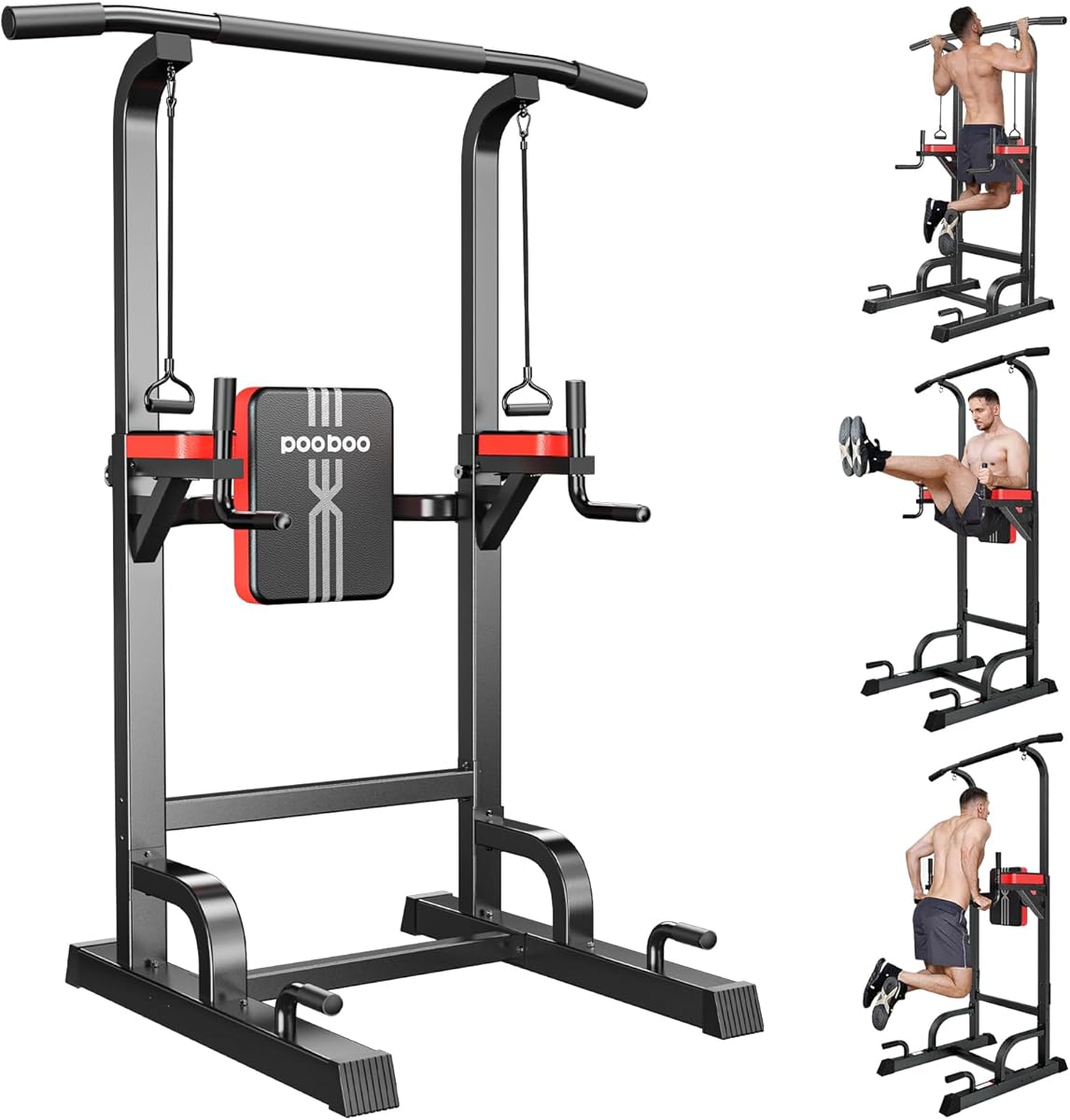
When evaluating the Pooboo Power Tower, focus on its multi-function design that combines dip station, pull-up bar, and elastic rope resistance in one unit. This specific model's 450-pound capacity and adjustable height mechanism distinguish it from basic dip stands, making it suitable for comprehensive upper body and core workouts.
Key Considerations Before Buying
- The 450-pound weight capacity indicates robust steel construction, but verify your ceiling height accommodates the pull-up bar's full extension during installation.
- Adjustable height features should offer secure locking mechanisms at multiple positions to accommodate different user heights and exercise variations safely.
- Integrated power elastic ropes add versatility for assisted pull-ups or resistance training, but check attachment points for durability under repeated stretching.
What Our Analysts Recommend
Examine weld quality at joint connections and padding thickness on dip bars and back supports. Quality power towers feature powder-coated finishes that resist chipping and rubberized foot pads that protect flooring while preventing slippage during intense workouts.
Dip Stands Market Context
Market Overview
The home gym power tower market has expanded significantly, with products now offering multi-function capabilities beyond basic dip stations. Consumers increasingly seek space-efficient equipment that delivers gym-quality calisthenics training without commercial footprint or pricing.
Common Issues
Lower-quality units often suffer from wobble during dynamic movements, inadequate padding that causes discomfort during extended sessions, and adjustment mechanisms that loosen over time. Assembly complexity varies widely, with some models requiring precise torque specifications for optimal stability.
Quality Indicators
Superior power towers feature reinforced gussets at stress points, commercial-grade polyurethane padding that maintains shape, and bolt-through construction rather than simple screw attachments. Look for models specifying steel gauge thickness (14-16 gauge is ideal) rather than just weight capacity claims.
Review Authenticity Insights
Grade B Interpretation
A Grade B authenticity rating with 15% estimated fake reviews suggests generally reliable feedback with some inflated positivity. The 4.60 adjusted rating (from 5.00) indicates genuine satisfaction but slightly less perfection than initial ratings suggest.
Trust Recommendation
Prioritize reviews discussing long-term use (3+ months), assembly details, and specific exercises performed. Verified purchase reviews mentioning the elastic ropes' performance or height adjustment mechanism offer particularly valuable insights for this multi-function model.
Tips for Reading Reviews
Look for reviews mentioning the product's footprint dimensions relative to their space and experiences with customer service regarding missing parts—common pain points for assembled fitness equipment. Reviews discussing the back pad's comfort during knee raises provide specific functionality insights.
Expert Perspective
The Pooboo Power Tower's combination of 450-pound capacity, adjustable height, and integrated elastic ropes positions it as a versatile mid-range home gym solution. The high verified purchase percentage (all 9 sampled reviews) strengthens credibility, while the 4.60 adjusted rating reflects solid performance with room for minor improvements. The multi-function design addresses space constraints while offering progression from assisted to unassisted calisthenics.
Purchase Considerations
Weigh the value of integrated elastic ropes against standalone resistance bands, and consider whether the adjustable height mechanism's positions align with your household users' varying statures. Assess your willingness to periodically check bolt tightness—a maintenance requirement for most assembled steel fitness equipment.
Comparing Alternatives
Compare the Pooboo's 450-pound capacity and included accessories against similarly priced towers, particularly examining differences in padding materials and warranty coverage for welded joints.