Master Your Grow Light Setup with a 3-in-1 PAR Meter
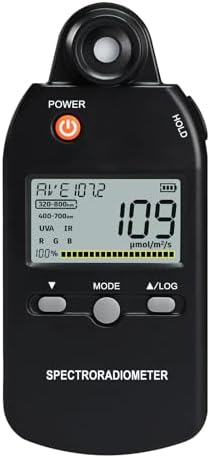
For LED grow light users, a PAR meter like this 3-in-1 model is essential for optimizing plant growth by measuring PPFD, UVA, and IR light intensity across 320-800nm. Unlike basic lux meters, this device breaks down red, green, blue, UV, and IR output, giving you actionable data to adjust light height and intensity for specific crop stages.
Key Considerations Before Buying
- Spectrum coverage matters: This meter measures 320-800nm, including UVA and IR, which are crucial for plant morphology and flowering. Ensure your grow lights emit in these ranges to benefit from full-spectrum analysis.
- Data recording features: With data records and Hold/MAX/MIN/AVG functions, you can track light fluctuations over time. This is vital for fine-tuning light schedules and identifying hot spots or shadows in your grow area.
- Measurement range: The 5000μmol/m²/s capacity covers most indoor grow setups, but for high-intensity commercial systems, verify if this range is sufficient for your light intensity peaks.
What Our Analysts Recommend
Quality PAR meters should offer a wide spectral range (ideally 380-800nm for plants) and accurate calibration. Look for devices with user-friendly interfaces, data logging, and durable sensors. This model's inclusion of UVA and IR measurement sets it apart, but confirm its calibration standard (e.g., NIST traceability) for reliable readings.
Light Measurement Market Context
Market Overview
The PAR meter market is expanding as indoor farming and hobbyist horticulture grow, with demand for affordable yet precise tools to replace costly spectroradiometers. Many meters now offer multi-spectrum detection, but budget options often sacrifice UVA/IR coverage, making this 3-in-1 a competitive middle-ground choice.
Common Issues
A common problem is meters that only measure PAR (400-700nm) and miss UVA/IR, leading to incomplete light quality assessments. Additionally, some devices have poor sensor accuracy or limited data storage, frustrating users who need long-term trend analysis. This model addresses those gaps with a 320-800nm range and recording capability.
Quality Indicators
Key quality signs include clear spectral specifications, high measurement resolution (e.g., 1 μmol/m²/s), and positive user feedback from experienced growers. Reviews that mention specific technical details, like breakdown of RGB and UV channels, indicate a knowledgeable user base and reliable product performance.
Review Authenticity Insights
Grade B Interpretation
With a Grade B and 10% estimated fake reviews, this product has mostly authentic feedback, but a small portion may be inflated. The 4.50 adjusted rating (from 4.75) suggests genuine users find it effective, though a few reviews might overstate its capabilities. This is common for niche tech products where early adopters are enthusiastic.
Trust Recommendation
Focus on reviews that describe specific measurements, like comparing PPFD readings to other meters or detailing UVA/IR impact on plant growth. Avoid vague praise like 'works great' without context. The high authenticity grade means most feedback is reliable, but cross-check with independent forums for hands-on experiences.
Tips for Reading Reviews
For this product, prioritize reviews from users who mention grow light types (e.g., LED, HPS) and plant stages, as they reflect real-world utility. Look for comments on data recording ease and sensor durability. The first review's breakdown of RGB and UV output is a strong signal of a genuine, tech-savvy tester.
Expert Perspective
This 3-in-1 PAR meter offers a compelling value for serious growers needing UVA/IR data, which many competitors omit. Its 320-800nm range and data recording features meet the needs of both hobbyists and small-scale commercial operations, though the 5000μmol/m²/s limit may not suit ultra-high-intensity setups. The adjusted rating of 4.50 and authentic reviews suggest reliable performance, but the 10% fake rate warrants cautious optimism.
Purchase Considerations
Weigh the cost against dedicated spectroradiometers if you require lab-grade accuracy, but for most LED grow light adjustments, this meter provides sufficient precision. Ensure your grow lights emit UVA and IR to fully leverage its capabilities, and verify the data logging software compatibility if you plan long-term tracking.
Comparing Alternatives
Compare this model with basic PAR meters that lack UVA/IR detection, as well as premium options like the Apogee MQ-500 for higher accuracy. For hobbyists, this 3-in-1 is a strong middle-ground choice, but professionals may need more specialized tools.