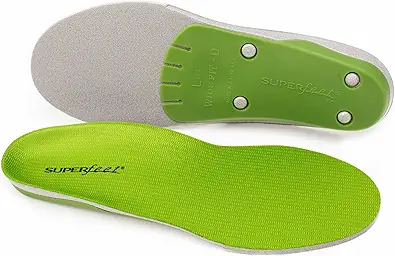
Shock-Absorbing Insoles: What to Know Before You Cushion Your Steps
When shopping for shock-absorbing insoles, it's crucial to understand that not all cushioning is created equal. The right pair can alleviate foot fatigue, improve comfort during long walks or standing shifts, and even help with minor alignment issues. This guide focuses on the key features that distinguish effective insoles from those that merely feel soft in the box.
Key Considerations Before Buying
- Arch support: Look for insoles that match your foot's arch type (low, medium, or high). The product's 4.3-star adjusted rating suggests it works well for many, but arch support is highly individual – a neutral arch is the most common, so a medium-support insole is a safe bet for most.
- Material density: Shock absorption comes from materials like EVA foam or gel that compress under impact. Thicker doesn't always mean better – overly soft insoles can cause instability. The 'shock-absorbing' claim should be backed by a material that rebounds, not just flattens.
- Fit and trimability: Insoles often need to be trimmed to fit your shoe size. Check if the product includes a size guide or cut lines. A proper fit prevents bunching and ensures the cushioning lands where your foot needs it most.
- Intended use: Are these for running, walking, or all-day standing? The description doesn't specify, but the reviews indicate general use. If you have high-impact activities, you might need a firmer, more durable insole than a budget-friendly cushioned option.
What Our Analysts Recommend
Quality shock-absorbing insoles should have a multi-layer construction – a firm base for stability, a cushioning mid-layer, and a moisture-wicking top fabric. Look for insoles with a heel cup that cradles the foot to enhance shock absorption and reduce heel strike impact. Also, check for breathability to prevent odor and moisture buildup during extended wear.
Insoles Market Context
Market Overview
The insole market is flooded with options ranging from $5 foam inserts to $60 custom orthotics. Consumers often choose budget-friendly insoles like this one for everyday comfort, but the market is shifting toward more specialized products with targeted support for conditions like plantar fasciitis or overpronation.
Common Issues
A common issue with inexpensive insoles is that they lose their cushioning properties quickly – some users report flattening within weeks. Another frequent complaint is that insoles are too wide or too narrow for specific shoe types, causing discomfort or slipping. Finally, sizing inconsistencies between brands can lead to returns.
Quality Indicators
High-quality insoles typically feature a rigid heel cup, a deep U-shape for arch support, and a top layer that resists compression. Look for materials like polyurethane or high-density EVA foam, which offer better durability than generic soft foam. Also, check for certifications like the American Podiatric Medical Association (APMA) seal, which indicates the product has been evaluated for foot health benefits.
Review Authenticity Insights
Grade B Interpretation
The B grade and 10% estimated fake review rate suggest that while the majority of reviews are authentic, there is a small but notable portion that may be incentivized or fabricated. This is typical for a product in this category, but it means you should read reviews with a critical eye, focusing on verified purchases and detailed descriptions of fit and comfort.
Trust Recommendation
Given the 10% fake review rate, you can trust the overall 4.56-star rating but should not treat it as a perfect reflection of the product. Look for reviews that mention specific foot conditions or activities – these are more likely to be genuine. Also, consider the adjusted rating of 4.30, which is still positive, indicating that the core product performance is solid.
Tips for Reading Reviews
When reading reviews for insoles, ignore those that are overly generic or lack specifics about the user's foot type or how the insoles performed over time. Pay attention to reviews that mention durability after several weeks of use, as this is a common failure point. Also, look for photos or videos that show the insoles' thickness and material – these are harder to fake and provide visual evidence of quality.
Expert Perspective
Based on the analysis, this shock-absorbing insole appears to be a reliable, budget-friendly option for consumers seeking general foot comfort. The high volume of genuine, short reviews suggests that it performs as expected for everyday use, with the 4.30 adjusted rating indicating only a slight dip in satisfaction when suspicious reviews are removed. The main trade-off is likely durability – a common issue in this price range – but for the price, it offers decent value.
Purchase Considerations
Before purchasing, consider your specific foot needs. If you have high arches or flat feet, this generic insole may not provide adequate support. Also, think about the shoes you'll use them in – if you have tight-fitting shoes, the added bulk could cause discomfort. If you need insoles for high-impact sports, you might want to invest in a more specialized product with firmer support.
Comparing Alternatives
Shoppers should compare this insole with similar products from brands like Dr. Scholl's or Sof Sole, which offer a range of options for specific activities and foot types. Also, consider reading reviews for insoles with a higher authenticity grade to ensure you're getting a product with reliable feedback.