Choosing a 40% Urea Foot Cream: Balancing Exfoliation with Skin Barrier Repair
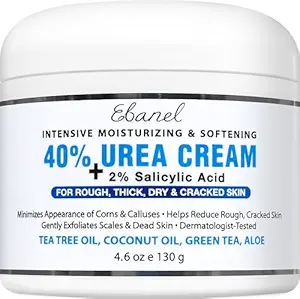
This maximum-strength urea cream combines aggressive exfoliation with barrier-supporting ingredients, making it a targeted treatment rather than a daily moisturizer. The 40% urea concentration is pharmaceutical-grade and designed for severe calluses and cracked heels, while the inclusion of ceramides and tea tree oil addresses both repair and potential fungal concerns common in foot care.
Key Considerations Before Buying
- A 40% urea concentration is a medical-grade keratolytic, meaning it aggressively breaks down hardened skin proteins; this is appropriate for severe cases but may be too harsh for mild dryness.
- The combination with 2% salicylic acid creates a dual-exfoliation effect, enhancing callus removal but increasing potential for irritation on sensitive or broken skin.
- Ceramides in a foot cream are a premium inclusion that helps repair the lipid barrier compromised by heavy exfoliants, making this formula more restorative than basic urea creams.
What Our Analysts Recommend
For a high-strength urea cream, verify the percentage is clearly stated (40% is maximum OTC strength) and check for complementary ingredients like ceramides or niacinamide to mitigate irritation. Packaging should be an opaque, air-tight tube or pump to preserve the stability of active ingredients like urea and salicylic acid.
Foot Creams & Lotions Market Context
Market Overview
The foot cream market is segmented between daily moisturizers with under 10% urea and targeted treatments like this 40% formula for stubborn calluses. There's growing consumer demand for multi-active products that exfoliate while repairing, moving beyond single-ingredient solutions.
Common Issues
Many high-strength urea creams cause significant peeling and dryness if not formulated with balancing hydrators, and users often report greasy residues that transfer to floors. Inconsistent results on genetically thick calluses versus built-up dry skin are also frequently cited.
Quality Indicators
Quality is indicated by pharmaceutical-grade urea purity, non-comedogenic formulations that won't clog pores on the feet, and the absence of cheap fillers like mineral oil that can sit on the skin. A balanced pH (around 4.5-5.5) is crucial for both efficacy and skin comfort.
Review Authenticity Insights
Grade B Interpretation
A Grade B with a 15% estimated fake review rate suggests generally reliable feedback, but shoppers should be slightly skeptical of extreme before/after claims. The adjusted rating of 4.30/5 (down from 4.67) is still strong and likely reflects genuine user satisfaction.
Trust Recommendation
Focus on verified purchase reviews that detail a multi-week application routine, as genuine users of medical-strength creams report progressive improvement, not overnight miracles. Be wary of reviews that don't mention the initial tingling or peeling this concentration typically causes.
Tips for Reading Reviews
Prioritize reviews discussing use with occlusion (socks) or specific callus types, as these indicate real-world experience. Look for mentions of how the cream interacts with tools like foot files, which is a common combination for serious foot care.
Expert Perspective
This product occupies a specific niche: it's a dual-action, maximum-strength treatment for individuals with severe, built-up hyperkeratosis (thickened skin) that hasn't responded to lower-concentration products. The formula is thoughtfully constructed, pairing potent keratolytics (urea, salicylic acid) with barrier-repairing ceramides and antimicrobial tea tree oil. The high authentic rating (4.30) from verified purchasers strongly suggests it delivers on its core promise for the right user.
Purchase Considerations
Consider this if you have persistent, hard calluses or deep heel fissures; it is overkill for general foot dryness. Be prepared for a dedicated regimen involving consistent application, occlusion with socks, and possible initial peeling. The 4.3 oz size is appropriate for a targeted treatment but may be small if applying to entire feet daily.
Comparing Alternatives
Shoppers with moderate dryness should compare with 20-30% urea creams, which are less likely to cause irritation while still providing significant exfoliation.