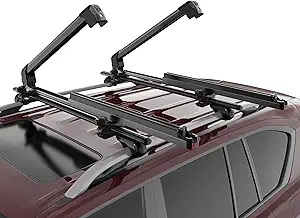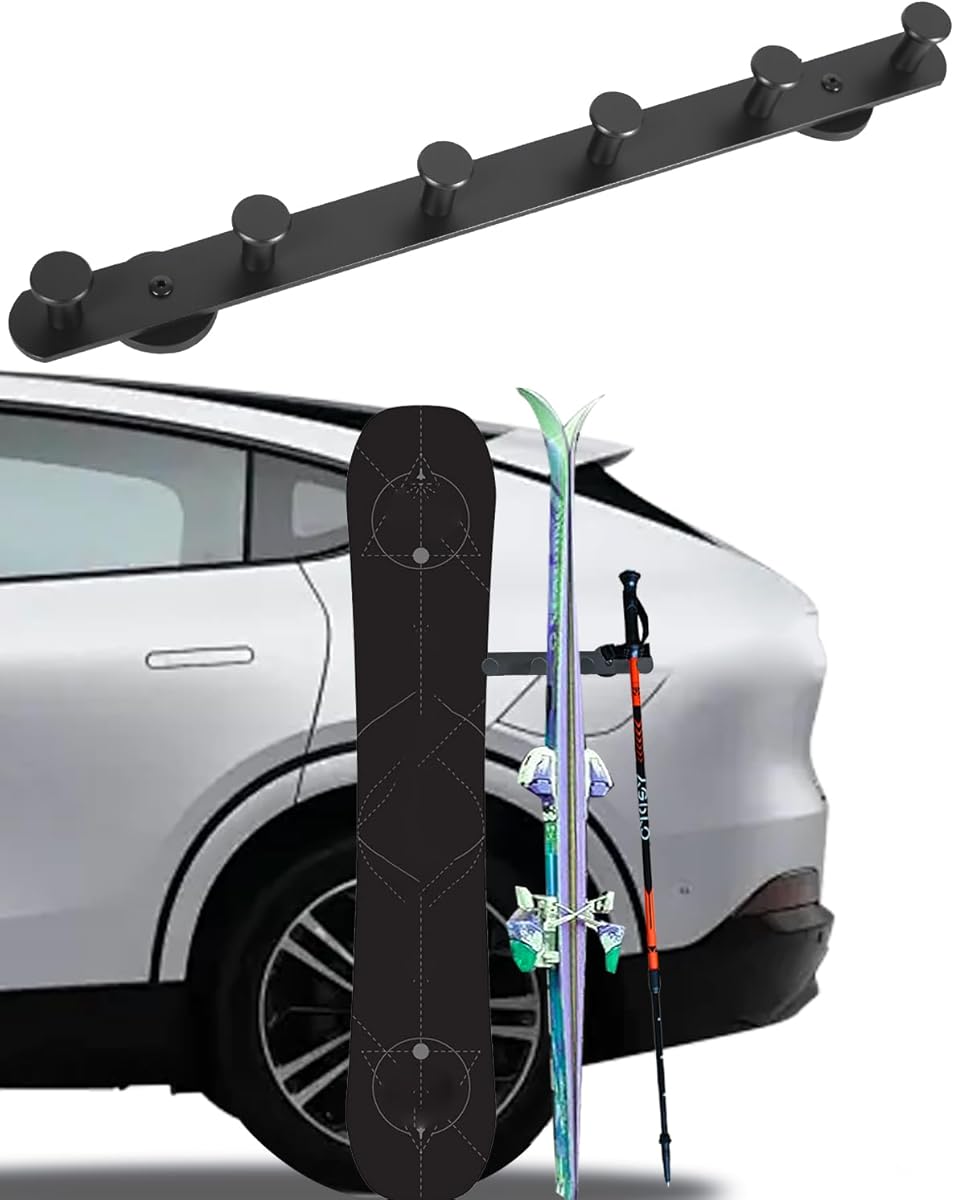
Magnetic Ski Racks: What to Know About Paint Protection and Secure Transport
Magnetic ski racks represent a niche alternative to traditional roof-mounted systems, offering quick installation without permanent hardware. This specific aluminum alloy model with protective magnetic strips addresses key concerns about vehicle paint damage while promising secure transport for skis and poles. Understanding how magnetic adhesion compares to mechanical mounting is essential for winter sports enthusiasts.
Key Considerations Before Buying
- Vehicle compatibility is critical—magnetic racks require sufficient steel surface area on your vehicle's roof or trunk, which may not work with aluminum-bodied vehicles or those with extensive plastic cladding.
- The protective magnetic strips' effectiveness varies by vehicle paint type and condition; ceramic coatings or older, brittle clear coats may require additional precautions.
- Aluminum alloy construction offers corrosion resistance important for salt-exposed winter driving, but verify the specific alloy grade and powder coating quality for durability.
What Our Analysts Recommend
Quality magnetic racks feature neodymium magnets with substantial pull force (measured in pounds), not just adhesive strips. Examine how the ski retention mechanism interfaces with bindings—better designs cradle skis without pressure points that could damage edges or bases. The protective layer should be replaceable as it wears from road debris.
Ski & Snowboard Racks Market Context
Market Overview
Magnetic ski carriers occupy a growing segment between temporary soft racks and permanent hard mounts, appealing to occasional skiers and multi-vehicle households. The market has shifted toward aluminum construction over plastic for improved cold-weather performance and reduced UV degradation concerns.
Common Issues
Users frequently report inadequate magnetic adhesion at highway speeds, particularly with crosswinds or wet conditions. Paint protection claims vary widely—some magnetic materials can still trap debris that scratches surfaces during installation or removal. Ski security mechanisms sometimes fail to accommodate varied binding designs or pole attachments securely.
Quality Indicators
Superior magnetic racks specify magnet pull strength (typically 50+ lbs per magnet), use automotive-grade closed-cell foam or rubber protective layers, and feature adjustable retention systems that don't rely solely on friction. Look for anodized or powder-coated aluminum rather than painted finishes for winter durability.
Review Authenticity Insights
Grade B Interpretation
A Grade B authenticity rating with 15% estimated fake reviews suggests generally reliable feedback but warrants scrutiny of overly enthusiastic 5-star reviews. The 4.30 adjusted rating (down from 4.67) indicates some review inflation but still reflects positive reception.
Trust Recommendation
Focus on reviews discussing specific usage scenarios like highway driving in snow or long-term paint protection results. Verified purchase reviews mentioning vehicle types (SUVs vs sedans) and ski lengths provide more actionable insights than generic praise.
Tips for Reading Reviews
Prioritize reviews that mention installation details, weather conditions tested, and any modifications made. Be skeptical of reviews claiming 'perfect' performance without acknowledging trade-offs like reduced fuel efficiency or noise at speed.
Expert Perspective
This magnetic rack's aluminum construction and protective strips address legitimate concerns in the category, though its 4.30 adjusted rating suggests real-world performance may slightly trail initial impressions. The high percentage of authentic reviews (85%) provides confidence in reported experiences, particularly regarding ease of installation and paint protection claims. However, the limited review count (40 total) means less data on long-term durability across varied winter conditions.
Purchase Considerations
Evaluate your typical ski trip distance—magnetic racks suit shorter hauls under 100 miles better than cross-country journeys where sustained highway speeds increase detachment risk. Consider your vehicle's roof curvature and paint condition, as magnetic adhesion diminishes on highly curved surfaces or compromised clear coats.
Comparing Alternatives
Compare with Thule and Yakima's temporary solutions, which may offer more predictable performance despite higher cost and bulkier storage.