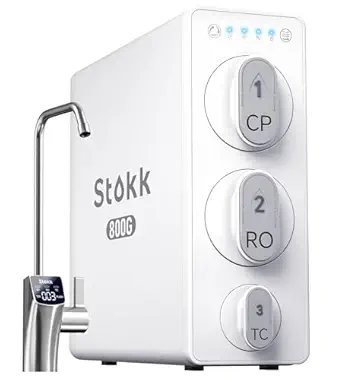
Electrolux WiFi RO: Smart Filtration or Overengineered?
When shopping for an under-sink reverse osmosis system like the Electrolux WiFi 800GPD, you're balancing filtration effectiveness, water waste, and smart features. This guide focuses on what matters most for this specific high-capacity, WiFi-connected unit with alkaline remineralization.
Key Considerations Before Buying
- Capacity and flow rate: The 800GPD rating means it can produce up to 800 gallons per day, which is overkill for most households. Consider if you need that speed or if a 400-600 GPD system would suffice, as higher GPD often means a larger tank and more wastewater.
- WiFi connectivity: The smart feature lets you monitor water quality and filter life via an app. Ensure your under-sink area has strong WiFi signal and that you're comfortable with app-based maintenance alerts, as some users prefer manual checks.
- Alkaline remineralization: This system adds beneficial minerals back after RO filtration, improving taste and pH. If you're on a mineral-restricted diet (e.g., for kidney issues), this feature might be counterproductive—consult your doctor.
What Our Analysts Recommend
Check the filter replacement cost and frequency—RO filters typically need changing every 6-12 months, and the price of the Electrolux replacement set (including the alkaline filter) should factor into your long-term budget. Also, verify the system's NSF certifications (e.g., NSF 58 for RO) to ensure it meets safety standards. Look for a system with a good warranty and customer support, as RO systems have multiple components (pump, solenoid valves, sensors) that can fail.
Under-Sink & Countertop Filtration Market Context
Market Overview
The under-sink RO market is rapidly innovating with high-capacity systems (800 GPD and above) and smart features like WiFi monitoring and leak detection. Brands like Electrolux are competing with established names like Aquasana and iSpring by adding IoT capabilities and remineralization stages.
Common Issues
Common issues in this category include leaks due to poor fittings, noisy pumps, and high water waste (typical RO systems reject 3-4 gallons for every 1 gallon produced). Smart features can also be a double-edged sword—connectivity glitches or app crashes can frustrate users who rely on them for filter change reminders.
Quality Indicators
Quality indicators include solid build materials (e.g., stainless steel or reinforced plastic), quick-connect fittings that don't leak, and a pump that operates quietly. Look for systems with independent test data (e.g., from NSF or Water Quality Association) and clear documentation on contaminant removal rates. A good warranty (2+ years) and responsive customer service are also strong signals.
Review Authenticity Insights
Grade B Interpretation
The B grade and 10% fake review rate suggest that while most of the 18 reviews are genuine, a small subset may be incentivized or artificial. This is typical for a relatively new product with limited reviews, so you should weight individual testimonials carefully.
Trust Recommendation
Given the small sample size, rely more on the overall rating of 4.67 (adjusted 4.40) as a baseline, but look for detailed reviews that mention specific installation steps, water taste, and app functionality. Be cautious of reviews that are overly generic or lack specifics about the product's performance.
Tips for Reading Reviews
For this type of product, focus on reviews that describe installation challenges (e.g., under-sink space, fittings) and long-term performance after a few weeks of use. Also, check if any reviews mention customer support interactions—these can reveal how the company handles issues, which is critical for a complex system.
Expert Perspective
The Electrolux WiFi 800GPD RO system is a feature-rich option that combines high capacity with smart monitoring and alkaline remineralization. Its adjusted rating of 4.40 indicates solid performance, but the limited review count and 10% fake rate warrant caution. The WiFi feature is a differentiator, but it also introduces potential troubleshooting complexity. For most households, the 800 GPD capacity is excessive, but it does offer faster water production and a smaller storage tank, which can be a space saver.
Purchase Considerations
Weigh the cost of replacement filters (including the alkaline stage) against your budget, and consider whether you truly need 800 GPD—if you have a large family or use water for cooking, the speed might justify the price. Also, ensure your kitchen has a power outlet for the pump and WiFi coverage under the sink, as these are prerequisites for full functionality.
Comparing Alternatives
Compare this model with other under-sink RO systems in a similar price range, such as the Aquasana OptimH2O or iSpring RCC7, to see which offers the best balance of features, filter costs, and reliability for your specific needs.