
Seal Out Rodents: How to Choose the Right Steel Wool for Pest Control
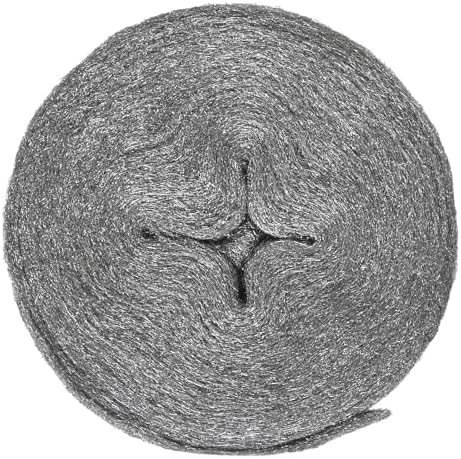
When it comes to keeping mice out, not all steel wool is created equal. The #1 coarse grade, as seen in this 65FT roll, is specifically designed to be dense and tough enough to block entry points effectively, since its abrasive texture deters gnawing and rusts over time to create an even more solid barrier. Before you buy, understand how grade, length, and application method influence success.
Key Considerations Before Buying
- Grade matters: Coarse (#1) is ideal for sealing larger gaps and is more difficult for rodents to chew through compared to fine (#0 or #00) grades, which are better for tiny cracks. This product's #1 grade offers a balance of flexibility and strength.
- Length and coverage: A 65FT roll covers a lot of ground, but measure your gaps first. For a typical home, you'll need at least 10-20 feet for common entry points like utility penetrations and foundation cracks, so a longer roll can be more economical for multiple projects.
- Combining with other materials: Steel wool works best when packed tightly with a screwdriver or putty knife, and for larger holes, pairing it with expanding foam or caulk ensures a permanent seal and prevents the wool from being dislodged.
What Our Analysts Recommend
Look for steel wool that is labeled 'coarse' or '#1' for pest control, as it's more resistant to gnawing. Also, check that the roll is continuous without weak spots or excessive oil, which can affect adhesion with sealants. A substantial weight (like 1.1LB) indicates a denser, more durable product.
Steel Wool Market Context
Market Overview
The market for pest control materials has seen a shift toward non-toxic, physical barriers as homeowners seek alternatives to traps and poisons, especially in households with pets and children. Steel wool remains a staple due to its affordability and effectiveness, with many brands now offering pre-cut or long-roll options to cater to DIY users.
Common Issues
A common issue is that consumers often buy the wrong grade—too fine to deter mice effectively—or they don't pack the wool tightly enough, leaving gaps. Another problem is using only steel wool without a sealant, which can rust and lose integrity over time, especially in damp areas like basements.
Quality Indicators
High-quality steel wool should feel dense and have a consistent texture without clumps or excessive debris. It should also be rust-resistant or at least rust evenly (which actually helps block gaps), and the packaging should clearly state the grade and length. Look for products with positive verified reviews that mention specific pest control applications.
Review Authenticity Insights
Grade B Interpretation
The Grade B with a 10% estimated fake review rate indicates that while the product has a high 4.89 average rating, a small portion of reviews may be incentivized or non-genuine. However, the adjusted rating of 4.60 still reflects strong satisfaction, suggesting the product performs well despite minor review inflation.
Trust Recommendation
You can trust the majority of the reviews, but pay extra attention to verified purchase badges and detailed, context-rich comments. Since the fake percentage is low, you can be confident in the product's overall effectiveness, but always cross-check critical claims with independent sources or videos.
Tips for Reading Reviews
When reading reviews for steel wool, focus on those that describe specific use cases (e.g., 'used in crawlspace' or 'sealed around pipes') and note any mentions of durability, ease of handling, or rusting. Be wary of overly generic praise or reviews that lack specifics, as they may be less trustworthy.
Expert Perspective
Based on the analysis, this 65FT #1 coarse steel wool appears to be a reliable choice for rodent exclusion. The high adjusted rating of 4.60, combined with overwhelmingly positive verified feedback about real-world pest control applications, indicates that it effectively blocks entry points and is well-suited for DIY users. The length and weight provide good value for multiple projects.
Purchase Considerations
Consider your specific needs: if you have many gaps to seal, this long roll is cost-effective, but for a single small repair, a shorter roll might suffice. Also, think about the environment—if the area is damp, you'll want to pair it with a rust-resistant coating or sealant. Weigh the convenience of having extra material against the upfront cost.
Comparing Alternatives
Shoppers should compare this product with other coarse steel wool brands, as well as copper mesh (which is rust-proof and easier to work with in tight spaces). However, for a budget-friendly, effective solution, this product stands out.


