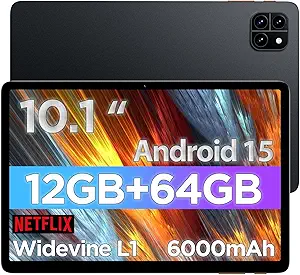
TECLAST T65: 120Hz Android Tablet with 4G—What to Know
The TECLAST T65 enters the Android tablet market with a compelling mix of premium features—a 13.4-inch 120Hz display, Widevine L1 certification, and 4G cellular connectivity—at a price that challenges mainstream brands. Before you commit, you need to understand how these specs translate to real-world performance and whether the 20GB RAM (likely a combination of physical and virtual) meets your needs.
Key Considerations Before Buying
- Display quality matters: The 120Hz refresh rate on the T65's 13.4-inch screen offers smooth scrolling and fluid visuals, but check if brightness and color accuracy meet your expectations for indoor and outdoor use.
- Connectivity flexibility: With 4G support, you can insert a SIM card for on-the-go internet, but verify carrier compatibility in the US (bands and LTE frequencies) to avoid surprises.
- Storage and RAM: The 128GB storage is ample for apps and media, but 20GB RAM likely includes virtual expansion—assess whether your multitasking habits justify the spec or if a lower-RAM model suffices.
What Our Analysts Recommend
When evaluating a tablet like the T65, prioritize build quality (metal vs. plastic chassis), display brightness (nits), and software update commitment. Also, check for Widevine L1 certification for HD streaming on Netflix and Prime Video—a must for media consumers.
Tablets Market Context
Market Overview
The Android tablet market is fiercely competitive, with brands like Samsung and Lenovo dominating the mid-range, while budget players like TECLAST carve out niches with aggressive specs. The T65 targets users who want a large, high-refresh-rate screen and cellular connectivity without flagship pricing.
Common Issues
Budget Android tablets often suffer from inconsistent update support, subpar cameras, and speakers that lack depth. Additionally, some manufacturers inflate RAM numbers through virtual memory, which can mislead buyers expecting pure hardware performance.
Quality Indicators
Look for tablets with at least 4GB of physical RAM, a display with 400+ nits brightness, and a reputable brand with a track record of software updates. Customer reviews that mention specific performance under load are more reliable than generic praise.
Review Authenticity Insights
Grade B Interpretation
The T65's Grade B authenticity rating and estimated 15% fake review percentage suggest that while the majority of reviews are credible, a notable minority may be incentivized or fabricated. This means you can trust the overall 4.89 average, but adjust your expectations slightly—real-world satisfaction may be closer to the adjusted 4.50 rating.
Trust Recommendation
Given the 15% fake review rate, rely on detailed reviews with photos or videos of the device in use. Cross-check feedback on external forums or YouTube reviews to validate claims about battery life and display quality, as these are common points of exaggeration.
Tips for Reading Reviews
When reading reviews for this tablet, filter for those that mention specific use cases (e.g., gaming, streaming, productivity) and compare them across multiple sources. Be wary of reviews with overly generic language or excessive enthusiasm without specifics—they may be less trustworthy.
Expert Perspective
The TECLAST T65 offers exceptional value on paper, with a 120Hz display and 4G that are rare at this price point. The authenticity analysis indicates a genuinely positive reception, but the adjusted rating suggests minor flaws that could affect your experience. For media consumption and casual productivity, it's a strong contender, but power users might find limitations in software optimization.
Purchase Considerations
Weigh the T65's standout features against potential trade-offs like slower software updates or a less refined user interface compared to mainstream brands. If you prioritize a smooth display and cellular flexibility over brand prestige, it's a worthy buy.
Comparing Alternatives
Shoppers should compare the T65 with Samsung Galaxy Tab A series or Lenovo Tab P11 for similar budgets, noting differences in display quality, update longevity, and after-sales support.