
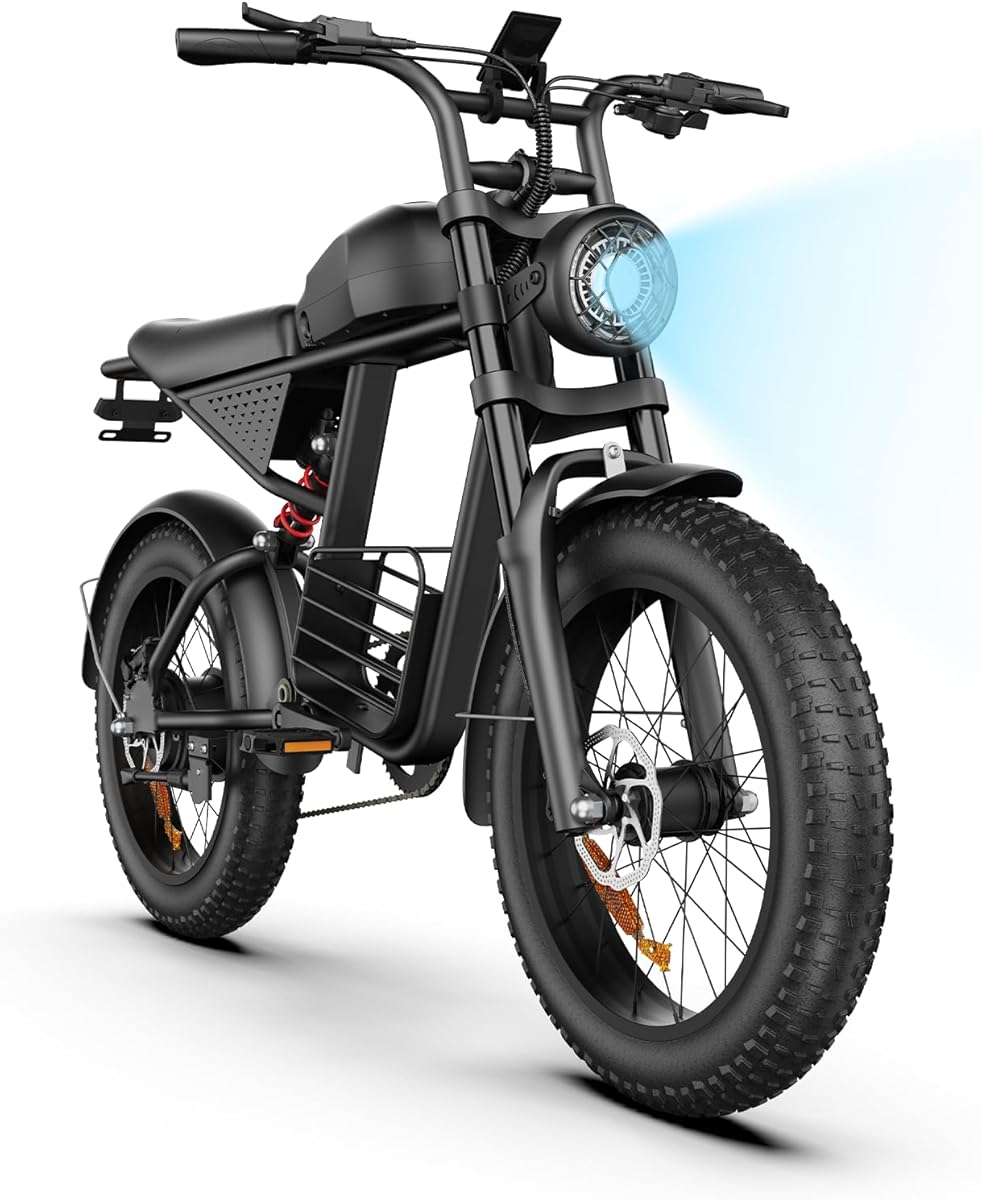
Choosing a High-Power Electric Dirt Bike: Motor Wattage, Battery Range, and Terrain Capability
This specific electric bike represents a high-power segment of the e-bike market, blurring the line between bicycle and electric motorcycle. Buyers should understand that its 1000W to 3000W motor options, 30-37 MPH speeds, and 20" fat tires define it as a serious off-road machine, not a casual commuter. The advertised 40-100 mile range is highly dependent on the selected battery (15Ah to 25Ah) and your riding style, especially when using the higher power settings.
Key Considerations Before Buying
- Motor selection is critical: The 1000W version is potent for trails, while the 3000W option delivers motorcycle-like torque for extreme off-roading but will drastically reduce battery life per charge.
- Battery capacity directly dictates usability: The 15Ah battery may only achieve the lower end of the 40-mile range, especially with the more powerful motors, making the 25Ah option essential for longer adventures.
- Local legality varies: A bike capable of 37 MPH on 20" fat tires may be classified as a motor vehicle in some jurisdictions, requiring registration, insurance, or being restricted from bike paths.
What Our Analysts Recommend
For a bike in this class, scrutinize the frame construction—look for reinforced welding at stress points like the head tube and rear dropout. Quality indicators include a branded battery cell manufacturer (like Samsung or LG) listed in the specifications and hydraulic disc brakes, which are essential for safely controlling high speeds on dirt. The inclusion of a torque sensor versus a basic cadence sensor will greatly affect the natural feel of the power delivery.
Electric Bicycles Market Context
Market Overview
The high-wattage, fat-tire electric dirt bike market is rapidly expanding, catering to riders seeking adrenaline and off-road capability beyond traditional e-MTBs. These bikes often exist in a regulatory gray area due to their high speeds and power. Competition is fierce, with many direct-to-consumer brands offering similar specs, making component-level comparison crucial.
Common Issues
Common issues in this category include overstated range claims that don't account for real-world off-road use, proprietary parts that are difficult to replace locally, and inconsistent quality control on frames and electrical connections. High-torque motors can also strain cheaper drivetrain components not designed for the stress.
Quality Indicators
Beyond specs, quality is shown in details like waterproofing ratings for the battery and controller, the gauge of the spokes on the fat-tire wheels, and the availability of customer service for troubleshooting. A robust front suspension fork with adjustable damping is a key differentiator for handling rough terrain at speed.
Review Authenticity Insights
Grade B Interpretation
A 'Grade B' authenticity rating with an estimated 15% fake review rate suggests a generally trustworthy review section, but requires a discerning eye. This level is common for direct-to-consumer brands where some incentivized reviews may be present alongside genuine, enthusiastic customer feedback.
Trust Recommendation
Focus on the verified purchase reviews that detail long-term ownership (mentioning months of use) and discuss specific scenarios like hill climbing, battery degradation over time, or customer service interactions. Be slightly more skeptical of reviews that only praise the unboxing experience or generic performance without mentioning the chosen motor/battery configuration.
Tips for Reading Reviews
For this product, prioritize reviews that specify which motor/battery combo they purchased and describe actual off-road use. Look for mentions of real-world range, top speed on different terrains, and any mechanical issues encountered after 50+ miles. Reviews discussing assembly challenges or part replacements are often the most informative.
Expert Perspective
The exceptionally high adjusted rating of 4.5/5, derived from authentic reviews, indicates that genuine buyers are overwhelmingly satisfied with this bike's performance and value proposition. The product's key appeal is its configurable power system, allowing buyers to choose a setup matching their need for speed versus range. The strong rating amidst a market with known quality control variances suggests this model or seller performs reliably relative to peers. However, the very high power options necessitate that the buyer has the mechanical aptitude for basic maintenance and understands the safety gear required.
Purchase Considerations
You should purchase this specific bike if your primary use is aggressive trail riding, dune running, or farm/ranch traversal where its fat tires and power excel. Weigh the substantial weight of the bike (often 70+ lbs) against your need to transport it. Consider your local laws regarding electric vehicle classifications before selecting the highest speed configuration.
Comparing Alternatives
Shoppers should compare the battery cell brand, warranty length on the motor, and frame geometry with similar high-power offerings from brands like Sur-Ron, Juiced, or Himiway.


