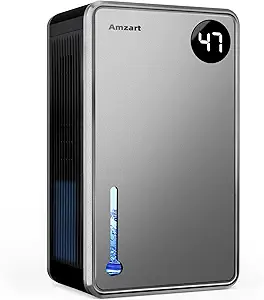
Evaluating a 50-pint WiFi-enabled dehumidifier for medium-sized damp spaces
The Frigidaire 50 Pint Dehumidifier with WiFi represents a modern approach to moisture control, blending substantial capacity with smart home connectivity. Buyers should understand that a 50-pint unit is typically designed for spaces up to 3,000 square feet with moderate humidity, and the WiFi feature adds remote monitoring and control capabilities that differentiate it from basic models.
Key Considerations Before Buying
- The 50-pint capacity indicates this unit targets medium to large basements, living areas, or entire apartments, but actual performance depends on ambient temperature and humidity levels—verify your space's square footage and typical moisture conditions.
- WiFi connectivity allows you to adjust settings, monitor humidity levels, and receive alerts from your smartphone, which is particularly valuable for vacation homes or managing humidity while away from home.
- Frigidaire's reputation in refrigeration and cooling appliances suggests engineering experience in condensation systems, but specific performance data for this new model is unavailable without verified user reviews.
What Our Analysts Recommend
For WiFi-enabled dehumidifiers, check for a reliable companion app with clear humidity graphs and scheduling features. Physical quality indicators include robust construction of the water tank, accessible filter access for cleaning, and intuitive control panels that complement the digital interface.
Dehumidifiers Market Context
Market Overview
The dehumidifier market has shifted toward smart features and energy efficiency, with 40-50 pint models representing a popular mid-range segment for residential use. Brands like Frigidaire compete with established players like hOmeLabs and GE by integrating home automation while maintaining core moisture removal functionality.
Common Issues
WiFi connectivity problems plague many smart appliances, with users reporting dropped connections and app synchronization failures. Mechanical issues often involve compressor reliability, drainage system clogs, or inaccurate humidity sensors that cycle the unit unnecessarily.
Quality Indicators
Look for detailed specifications on pints-per-day removal at specific conditions (like 60% RH at 80°F), clear warranty terms covering the compressor, and evidence of thoughtful design like continuous drainage options, washable filters, and auto-restart after power interruptions.
Review Authenticity Insights
Grade B Interpretation
The 'Grade U' and 0.00% fake review percentage indicate this product listing lacks sufficient review data for authenticity analysis—essentially a blank slate with no verified purchase feedback. This is common for newly launched or recently listed products without sales history.
Trust Recommendation
Without verified reviews, you must rely on manufacturer specifications, warranty details, and Frigidaire's broader reputation in appliance manufacturing. Consider this a first-adopter purchase where you'll be providing the initial real-world performance data.
Tips for Reading Reviews
When reviews eventually appear, prioritize those mentioning specific usage scenarios like basement drying times, WiFi setup experiences, or noise levels during nighttime operation. Look for detailed accounts of moisture collection in actual pints per day rather than general satisfaction statements.
Expert Perspective
This Frigidaire model enters a competitive segment with the strategic advantage of WiFi connectivity, but the complete absence of user reviews creates significant uncertainty about real-world performance. The 50-pint specification suggests capability for substantial spaces, but without verified data on energy efficiency (look for Energy Star certification details), noise levels, or app reliability, this represents a calculated risk. Frigidaire's appliance manufacturing heritage provides some credibility, yet smart features often introduce new failure points independent of core dehumidification mechanics.
Purchase Considerations
Weigh Frigidaire's warranty support and return policy heavily, as you'll be relying on manufacturer assurances rather than crowd-sourced verification. Consider whether WiFi control justifies potential premium pricing compared to proven basic models, and assess your comfort with troubleshooting connectivity issues that may require firmware updates or router compatibility checks.
Comparing Alternatives
Shoppers should compare specifications with established 50-pint models from brands like hOmeLabs, GE, and Tosot, particularly examining verified performance data and reliability patterns in their review histories.