
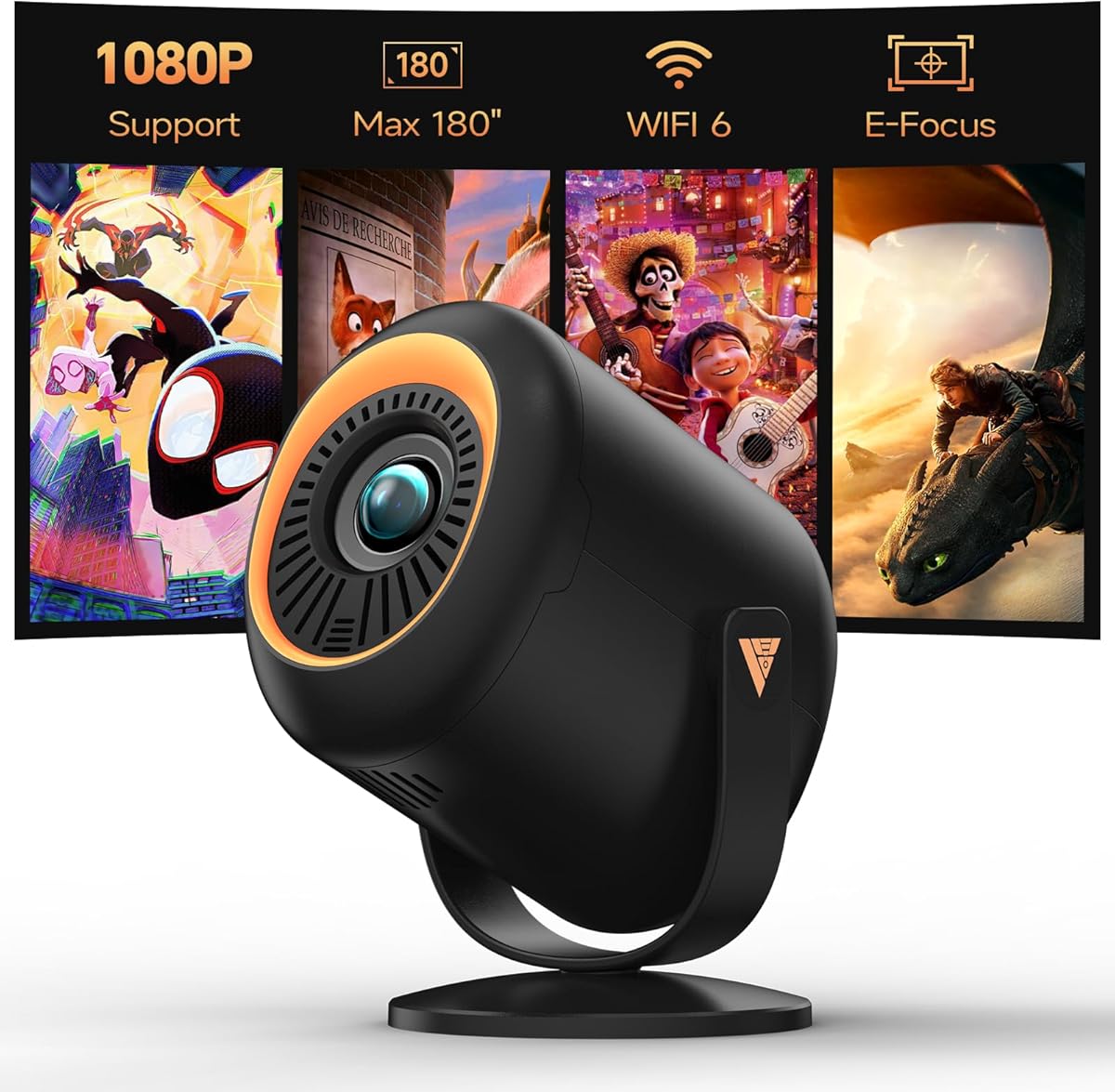
1080p Projector with Wi-Fi, Bluetooth: What to Know Before Buying
When shopping for a home movie projector with Wi-Fi and Bluetooth, the promise of native 1080p resolution and 4K support is attractive, but the reality involves understanding brightness, connectivity, and built-in speakers. This guide focuses on what to look for in projectors like the one you're considering, which offers HDMI, USB, and Type-C ports for versatile hookups.
Key Considerations Before Buying
- Brightness matters: Look for lumens (ANSI or LED) – higher is better for daylight viewing. Many budget projectors claim high brightness but deliver dim images in lit rooms.
- Connectivity: Check if the Wi-Fi is dual-band (2.4/5GHz) for smoother streaming, and Bluetooth version (5.0 is more stable) for audio latency reduction.
- Resolution vs. support: Native 1080p means the display chip is 1080p; '4K supported' means it can accept 4K input but will downscale – not true 4K. Manage expectations accordingly.
What Our Analysts Recommend
Look for projectors with at least 3000:1 contrast ratio for better blacks, and check the throw ratio to ensure the projector fits your room size. Also, verify the lamp life (usually 30,000-50,000 hours for LED) and whether there's a built-in media player for offline playback.
Video Projectors Market Context
Market Overview
The projector market is flooded with budget-friendly models that promise 1080p and smart features, but performance varies widely. Consumers are increasingly using projectors for backyard movies, gaming, and portable entertainment, driving demand for Wi-Fi and Bluetooth integration.
Common Issues
Common complaints include fan noise, poor color accuracy, and Wi-Fi connectivity drops. Many projectors also have weak built-in speakers, making Bluetooth audio pairing essential. Keystone correction is often digital, which can degrade image quality if overused.
Quality Indicators
Quality indicators include a high lumen rating (2000+ for ambient light), a reputable DLP or 3LCD chip, and support for HDR10 (even if not true HDR). Look for metal-bodied units with better heat dissipation, and check for a remote with backlight for dark rooms.
Review Authenticity Insights
Grade B Interpretation
The Grade B and 10% estimated fake reviews indicate that while most reviews are genuine, a small but notable fraction may be incentivized or fabricated. This is typical for popular projectors in this price range, where sellers often seed reviews to boost initial sales.
Trust Recommendation
Rely on verified purchase reviews with specific details about setup, brightness, and connectivity. Ignore generic five-star reviews that lack context. Cross-reference with video reviews on YouTube for real-world performance.
Tips for Reading Reviews
When reading reviews, focus on those that mention 'after a month of use' or 'compared to my previous projector' – these are usually more honest. Also, look for photos or videos of the projected image in different lighting conditions.
Expert Perspective
Based on the analysis, this projector appears to be a solid entry-level option for home entertainment, with genuine user satisfaction but also some quality control concerns. The adjusted rating of 3.90/5 suggests that while many users are happy, a significant minority experience issues like dead pixels or Wi-Fi problems. The 10% fake review rate is a caution flag, but not disqualifying.
Purchase Considerations
Consider your primary use case: if you need a projector for gaming, check for input lag (ideally under 30ms) and a game mode. For movie nights, prioritize color accuracy and black levels. Also, factor in the cost of a replacement bulb or LED unit, and whether the built-in speakers are sufficient for your room size.
Comparing Alternatives
Compare with other projectors in the same price range that offer similar features, such as those from Anker, Vankyo, or XGIMI, to see which has better customer support and fewer complaints.
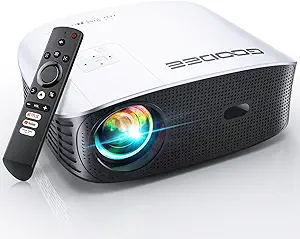
![CLOKOWE Mini Projector with WiFi and Bluetooth - [Built-in Apps] Smart Portable Projector with 180° Rotation, Auto Keystone, Support 1080P, Compatible with HDMI/USB/TV Stick/Smartphone/Laptop](https://m.media-amazon.com/images/I/71aHwv3EZ0L.__AC_SX300_SY300_QL70_FMwebp_.jpg)


